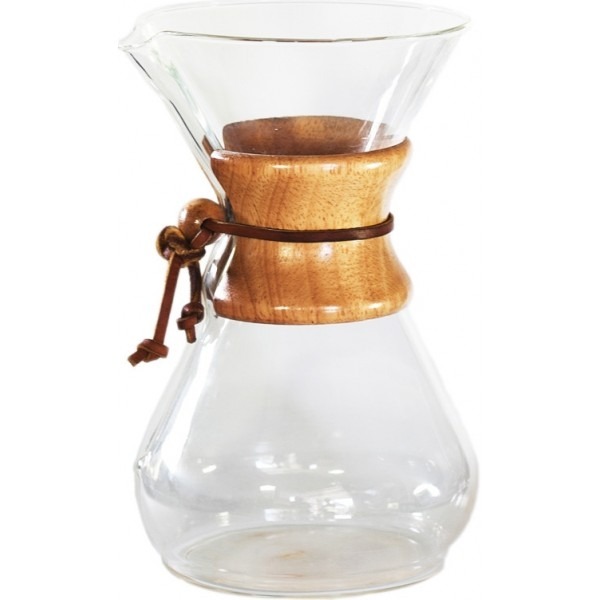
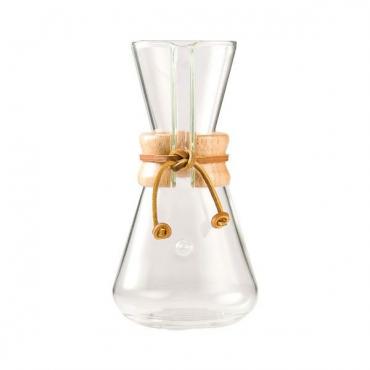
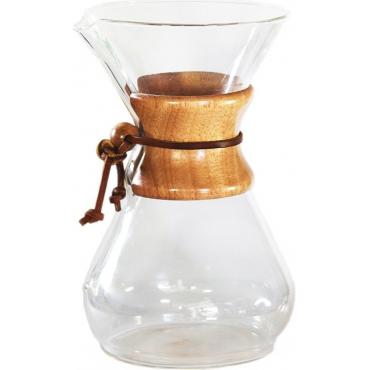
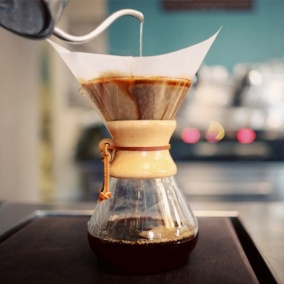
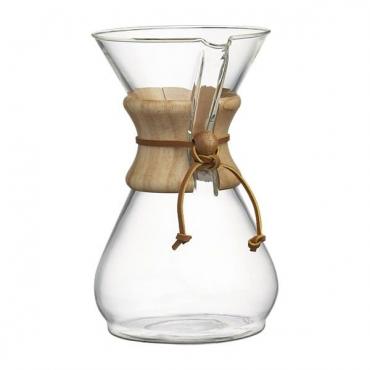
If a drip tray for preparing filtered coffee really has style and a beautiful design, it is definitely a Chemex drip tray. The invention, which saw the light of day in the USA in 1940, when it was originally invented by the chemist Dr. Peter Schlumbohm, got into the prestigious collection of modern design MOMA for 3 years.
The author himself claims that "even the largest oven can prepare excellent coffee with the help of Chemex." In order for you to make the best possible coffee prepared at Chemex, we have written a brief preparation guide for you.
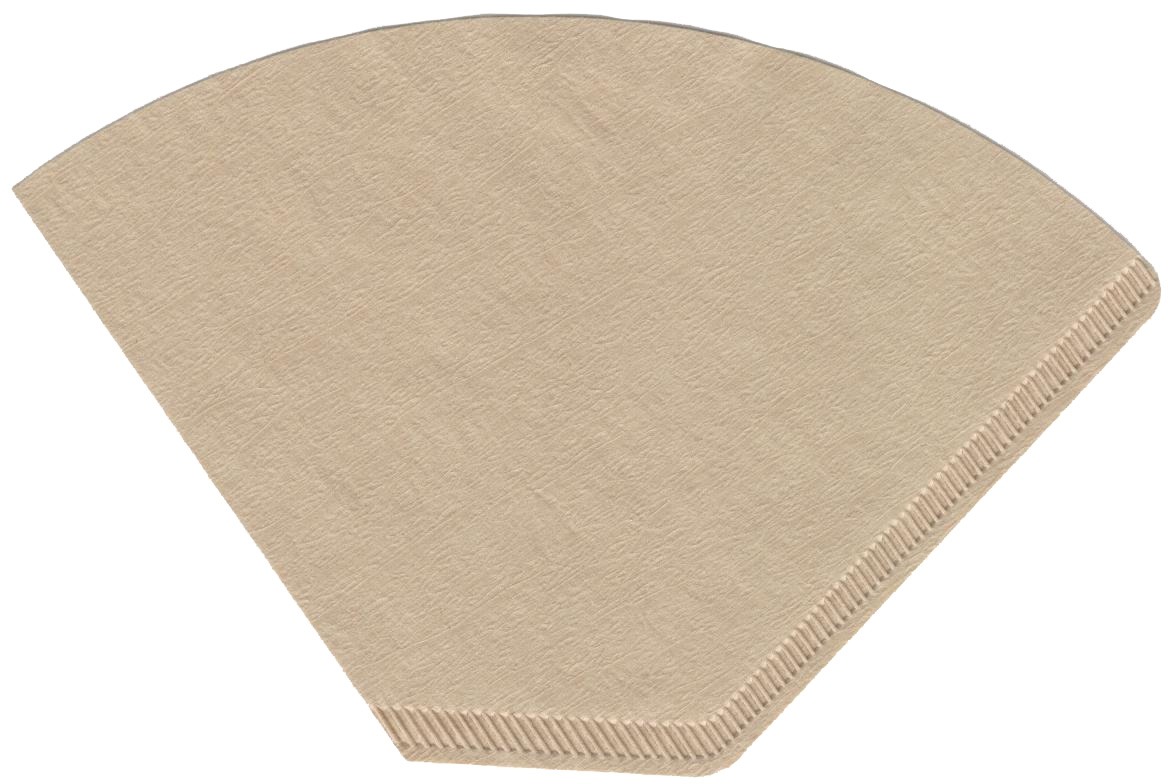
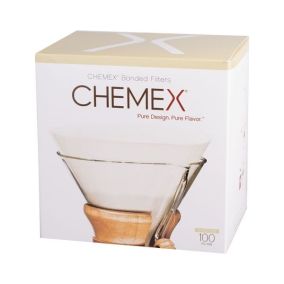
Whatever size Chemex you choose ( we offer all sizes, ie 3, 6, 8 and 10 cups ), we definitely recommend using the original Chemex folded paper filters , which are also available in our e-shop .

BENEFITS OF COFFEE MAKING IN CHEMEX
- beautifully pure coffee full of flavor
- easy preparation
- easy maintenance
- you don't need a serving kettle compared to a dripper
- design
 GROUND ROUGH: medium coarse grinding, slightly coarser than drip
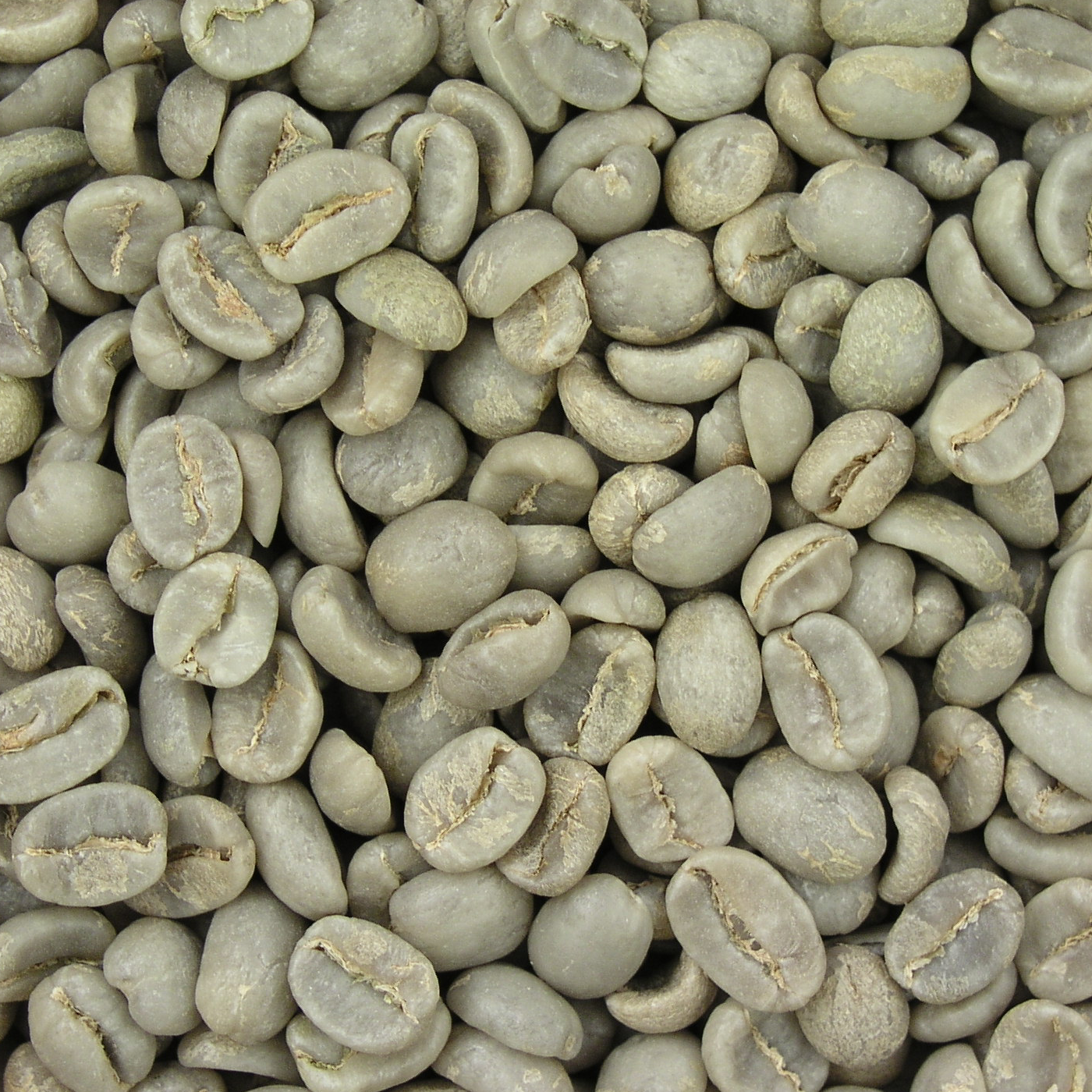
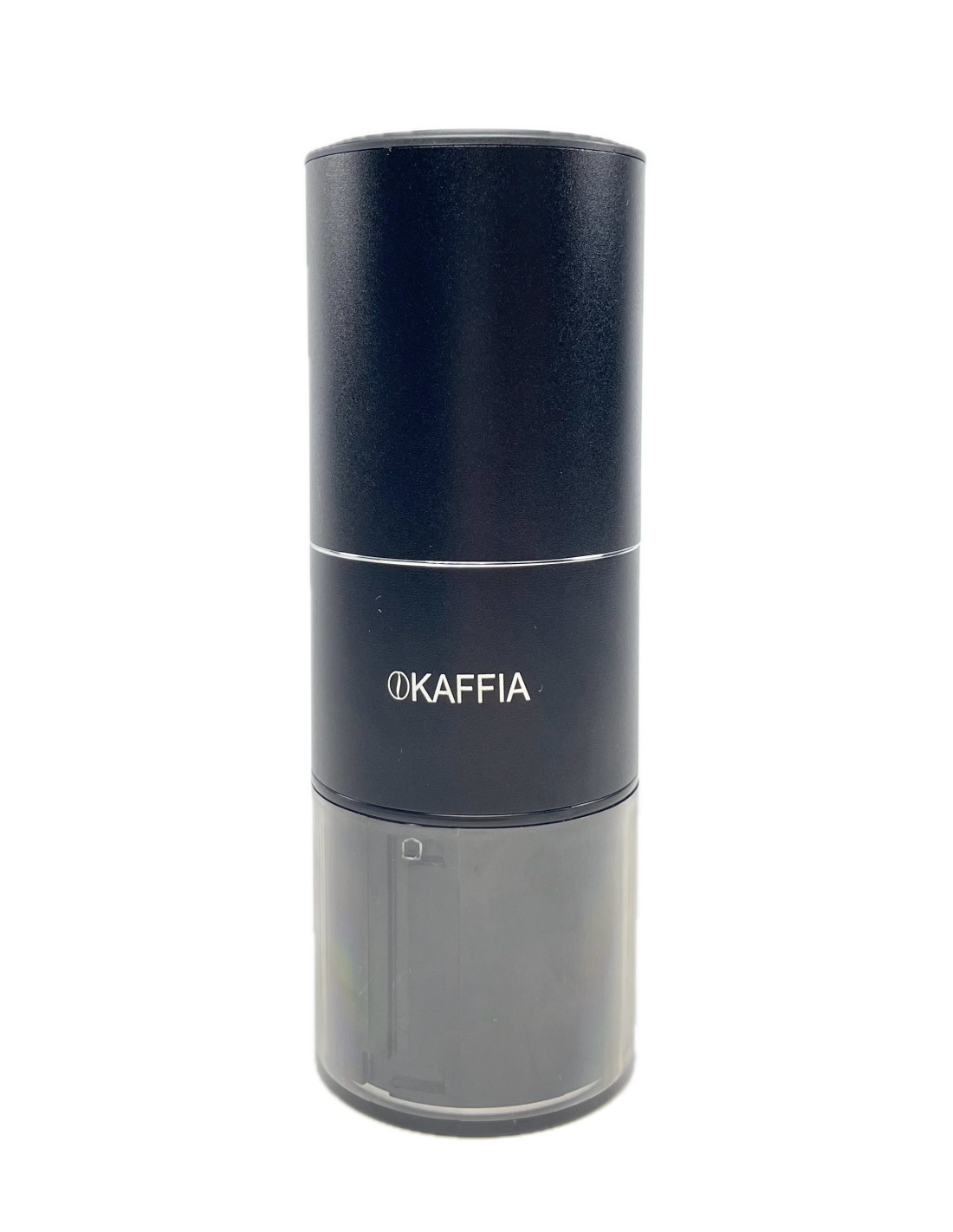
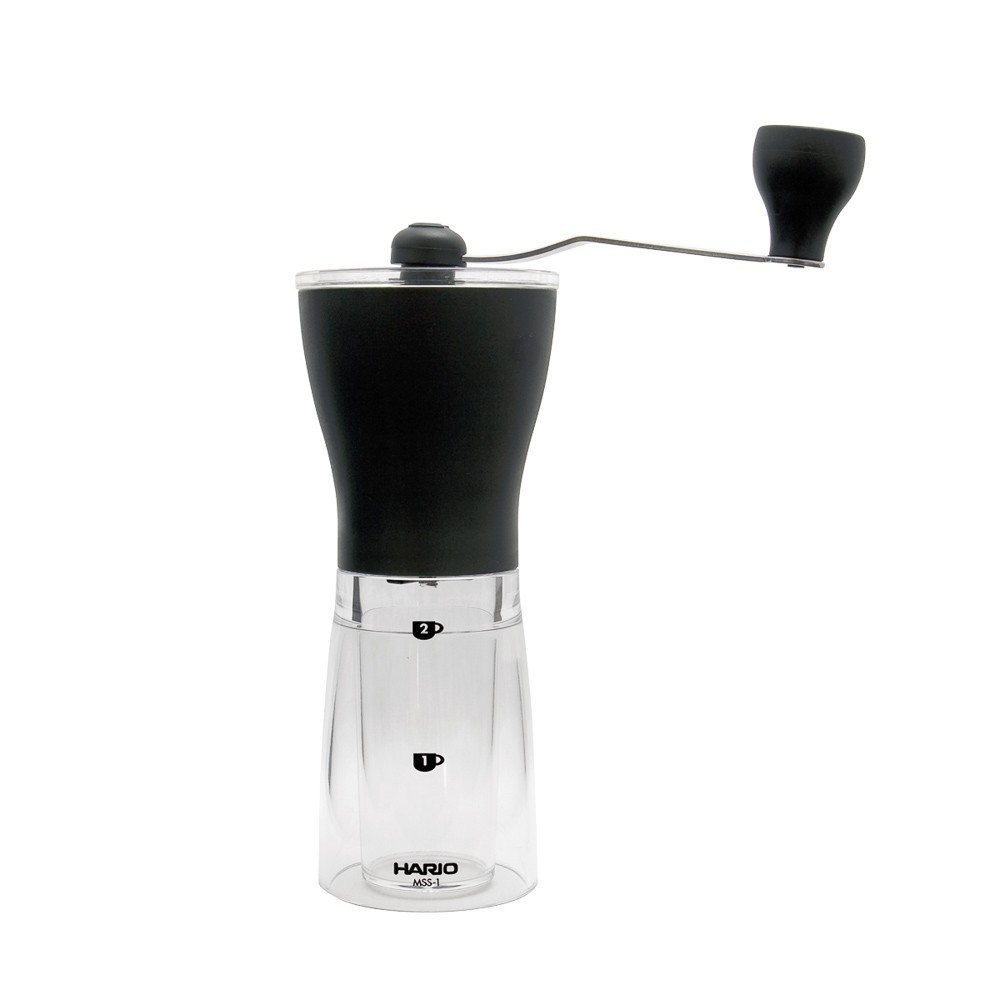
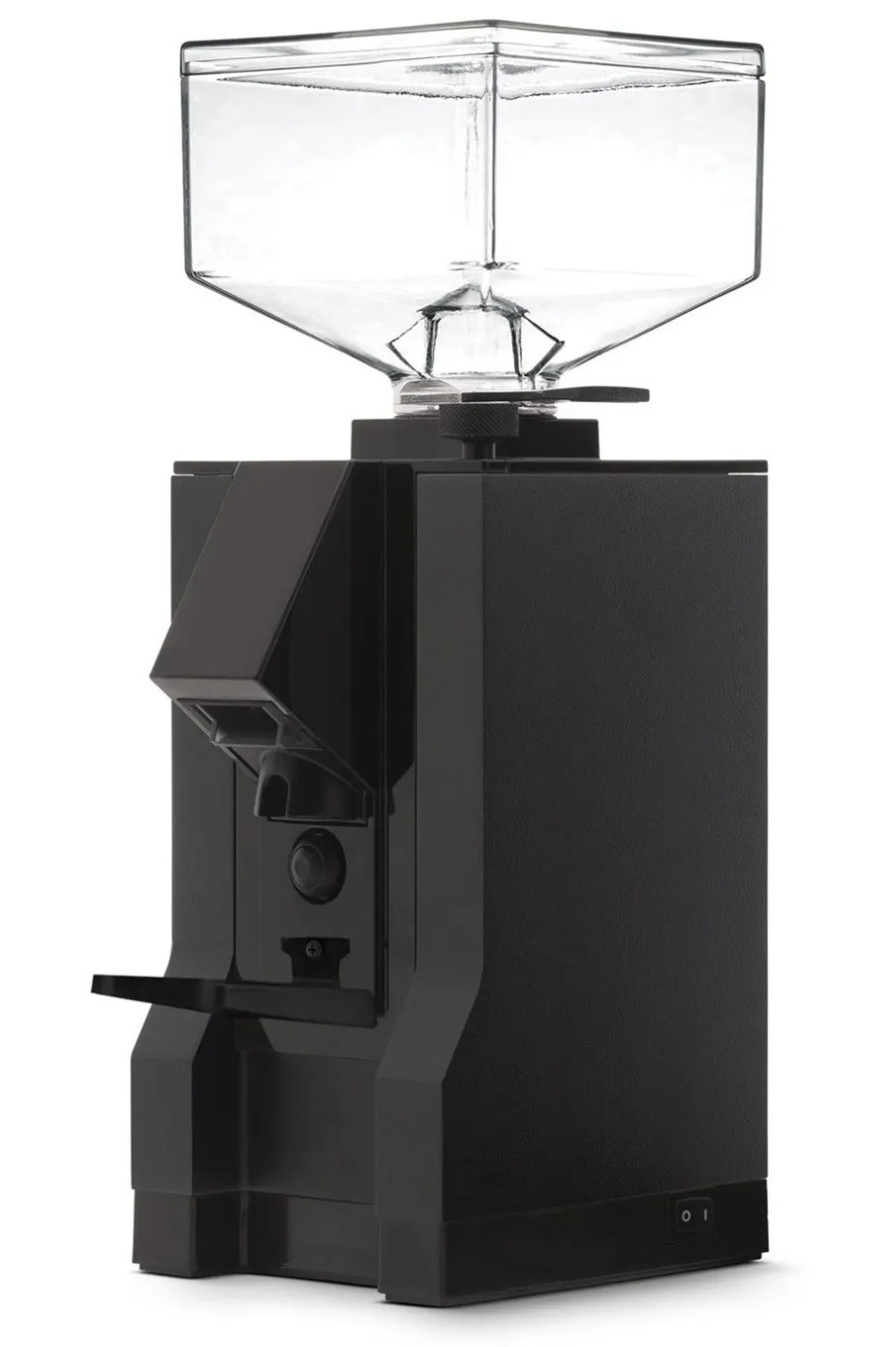
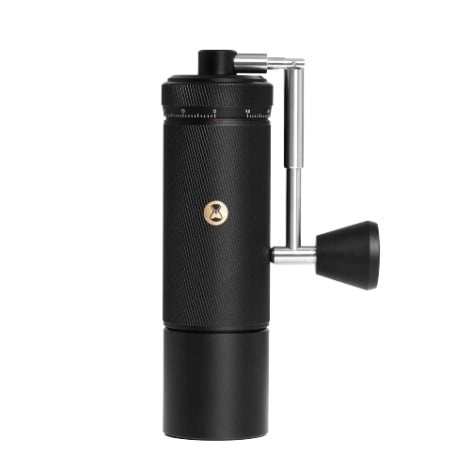
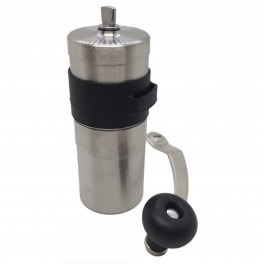
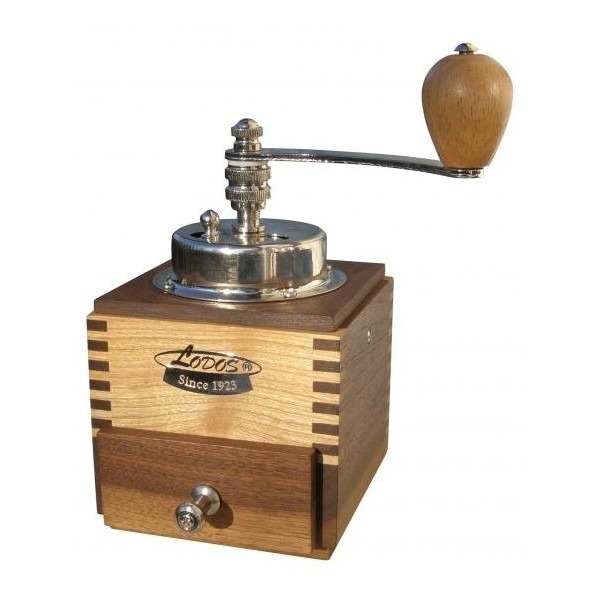
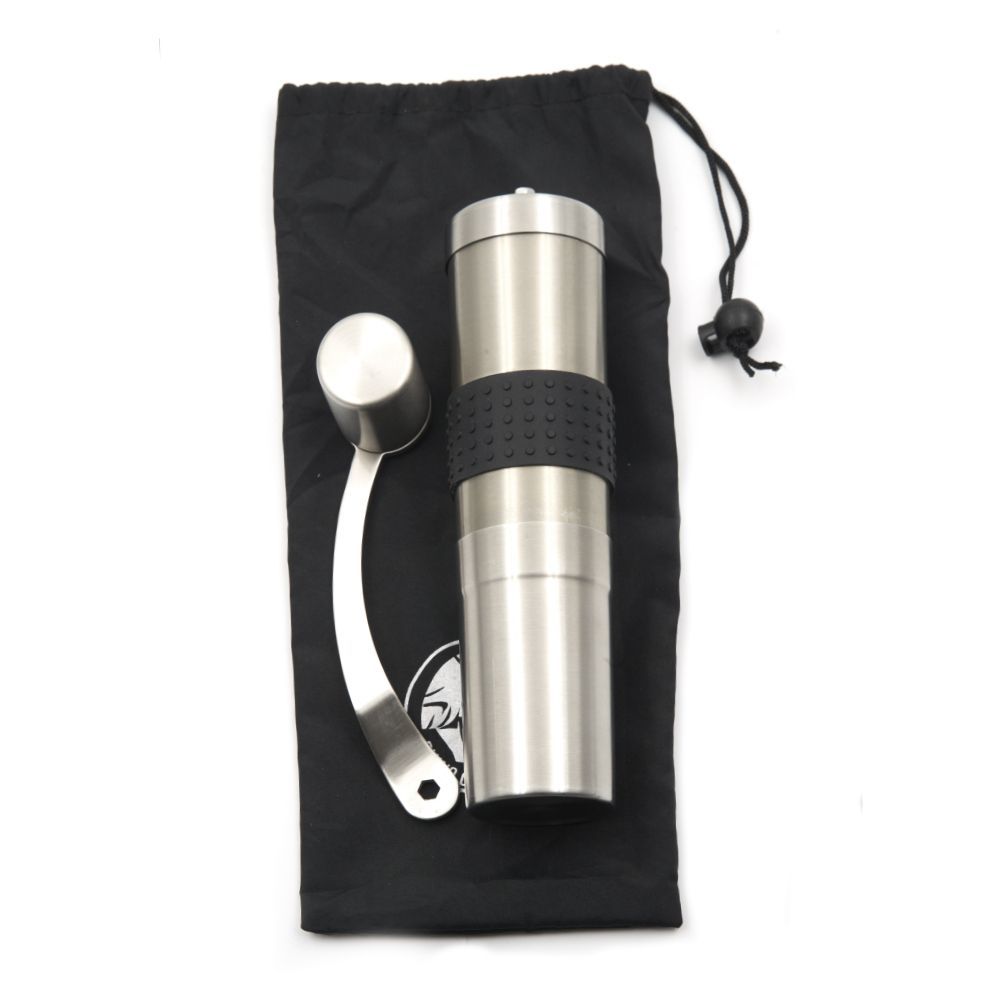
It is ideal to grind the coffee always fresh just before each preparation. At Chemex, the coffee is ground relatively coarsely, a little coarser than at drip, ie about the consistency of semolina sugar.
HOW TO PREPARE CHEMEX?
✔ Total preparation time: approx. 4 minutes
✔ Amount of coffee: ideally 36 grams / 600ml
Instructions on how to prepare coffee using Chemex
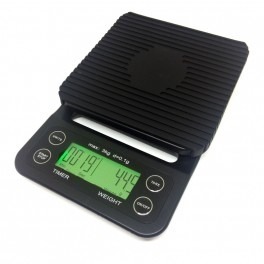
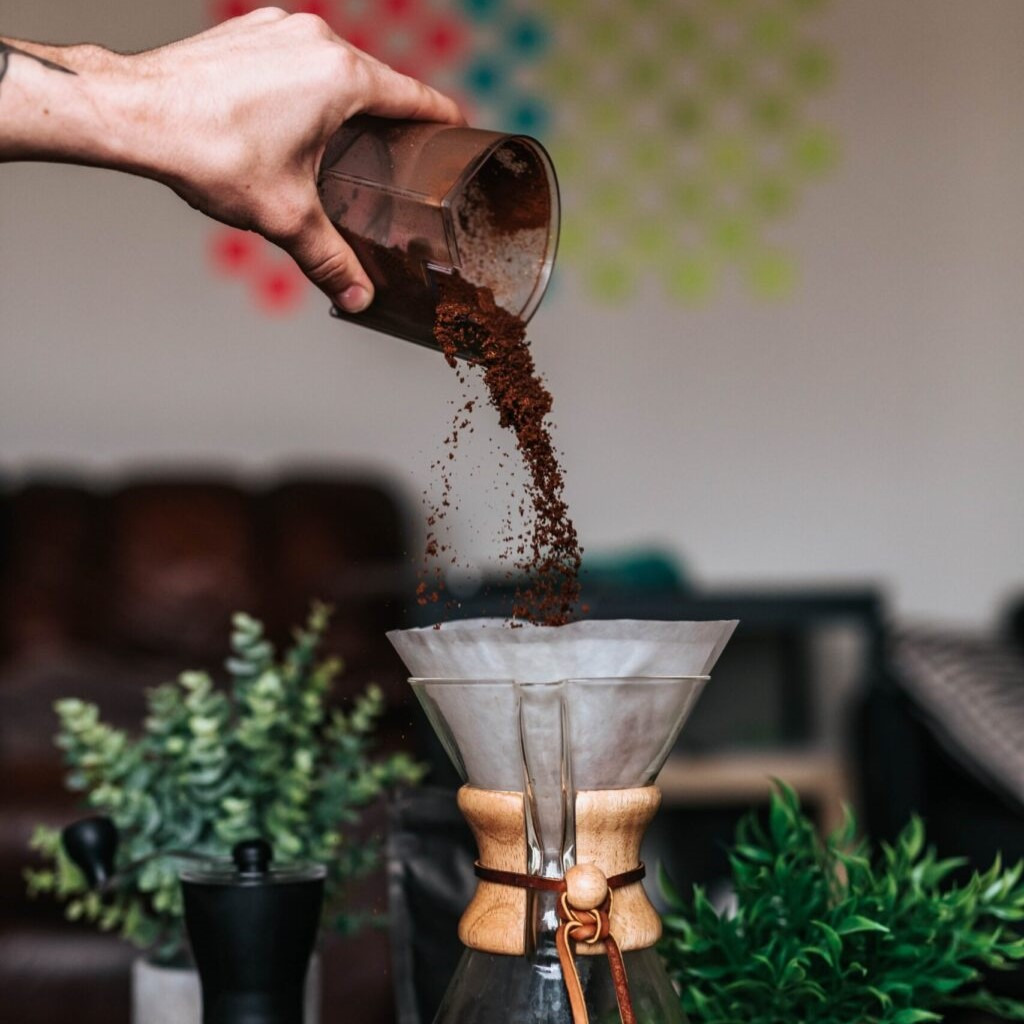
- We will prepare coffee beans, for example 36 grams and 600 ml of filtered water with a temperature of 93-95 ° C , which we will use for pouring coffee in Chemex. We will also need a stopwatch to measure time. The total preparation time is around 3-4 minutes.
- First we grind the grains a little coarser than in a dripper, chilli to grade 7 on an imaginary ten-part scale ( medium coarse grinding ).
- Insert a Chemex filter into the upper part of the container , which is rinsed with hot water . We also rinse the container, which will heat up and not cool the coffee.
- Pour the coffee into the filter and bend it slightly with the container so that the coffee spreads well, and then brew it with about 50 ml of hot water . Carbon dioxide begins to be released from the coffee, which prevents proper extraction.
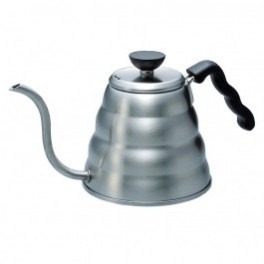
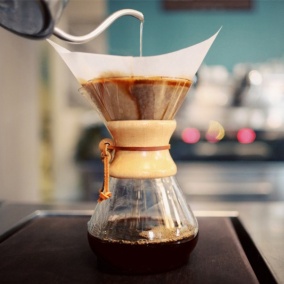
- After 30 seconds, slowly pour in the water in a circular motion , preferably with the same flow. For this purpose, for example, a Hario Buono kettle with a narrow neck is perfect.
- Chemex coffee is ready and you can serve it. The final extraction time should be about 4 minutes . If the drip time was faster than 3 minutes, the coffee was probably ground too coarsely.
TIP: Of course, what always depends on your own taste. If you find that your coffee has a weak body, next time try to grind the coffee a little finer and reduce the coffee to water ratio. If, on the other hand, you find the coffee too bitter, grind it a little more roughly next time and increase the coffee to water ratio. At the same time, try to keep the same water temperature and the same extraction times.
Quick Overview: What is a Chemex?
- Brewing Principle: The Chemex is an elegant, hourglass-shaped glass vessel featuring a wooden collar that combines the function of a decanter and a pour-over brewer. Coffee is prepared using the manual pour-over method through proprietary, very thick paper filters. Hot water is poured over the ground coffee in circular motions, and the clean beverage slowly drips into the bottom of the vessel.
- Flavor Profile: Thanks to the unique paper filters, which are 20% to 30% thicker than standard ones, the Chemex traps the vast majority of coffee oils, sediments, and unwanted bitter elements. The resulting cup is incredibly clean, light, and allows the natural fruitiness, acidity, and complex floral or tea-like notes of specialty coffee to truly shine.
- Volume and Serving: The Chemex is ideal for brewing larger quantities of coffee at once (most commonly sold in 3, 6, or 8-cup variants, corresponding to roughly 300 to 900 ml). It is served directly from the designer vessel, which, due to its shape, beautifully aerates (decants) the coffee, much like wine.
How does a Chemex differ from a classic espresso and a standard dripper (V60)?
Although the Chemex belongs to the filter coffee family, its design and specific filters make it a unique tool that offers a completely different experience than other methods.
Chemex vs. Espresso: Espresso is a concentrated, dense beverage with a heavy body and crema, prepared under high pressure in about 30 seconds. The Chemex is its exact opposite. It relies solely on gravity, the filtration takes around 4 minutes, and the result is a transparent, light drink without an oily texture, resembling a delicate tea more than a thick coffee syrup.
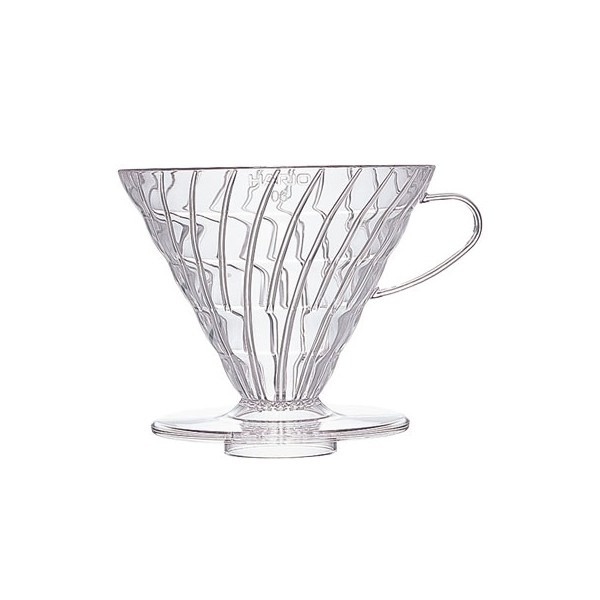
Chemex vs. Hario V60 (Classic Dripper): Even though both methods use a paper filter and manual pouring, the difference is significant. Chemex filters are much denser and folded. Furthermore, the V60 has interior ridges that speed up the water flow. Therefore, V60 coffee has a slightly heavier body and a more noticeable trace of coffee oils, while the Chemex produces the cleanest cup with the highest flavor separation.
| Drink Parameter |
Chemex |
Classic Espresso |
Hario V60 (Dripper) |
| Filter Type and Principle |
Very thick, dense paper filter (gravity) |
Machine portafilter (approx. 9 bar pressure) |
Standard paper filter (gravity) |
| Coffee Bean Type |
Light-roasted 100% Specialty Arabica |
Arabica/Robusta blends or 100% Arabica |
Light to medium-roasted Arabica |
| Beverage Clarity |
Extreme – zero sediment, minimum oils |
Low – high concentration of oils and emulsion |
High – clean coffee with a light body |
| Flavor Profile |
Transparent, delicate, highlighted acidity and fruitiness |
Intense, strong bitterness and sweetness, heavy body |
Balanced, clean, with a slightly fuller body than Chemex |
| Ideal Grind Size |
Medium-coarse to coarse (like coarse sea salt) |
Very fine (like all-purpose flour) |
Medium-fine (like table salt) |
| Brewing Time |
4 to 5 minutes |
25 to 30 seconds |
2.5 to 3.5 minutes |
Frequently Asked Questions about Chemex Preparation
1. Can I use standard coffee maker filters in a Chemex?
Technically you can, but the result will no longer be a "Chemex" coffee. The magic of this method lies precisely in the proprietary, original Chemex filters, which are a third thicker than standard filter paper. Regular thin filters allow more oils and fine particles into the drink, causing the coffee to lose its characteristic brightness, lightness, and perfect clarity of flavor.
2. Why is it necessary to rinse the paper filter with hot water before adding coffee?
Rinsing the filter is absolutely critical for the Chemex because its thick paper has a strong papery taste when dry. Hot water thoroughly washes away this unpleasant taste while preheating the glass vessel itself, which prevents a temperature drop during extraction. Don't forget to discard this rinse water before adding the ground coffee!
3. The water flows through my Chemex too slowly / too quickly. What is wrong?
Filtration speed is driven by two main factors: grind size and pouring technique. If the water flows too slowly (longer than 5 minutes) and the coffee tastes over-extracted and bitter, use a coarser grind next time. If the water rushes through too fast (under 3 minutes) and the drink is watery and sour, choose a finer grind. Also, make sure the filter is positioned correctly—the thick, triple-layered side of the paper must always face the pour spout so it doesn't block air from escaping the vessel.