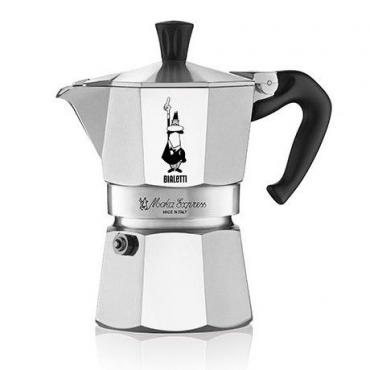
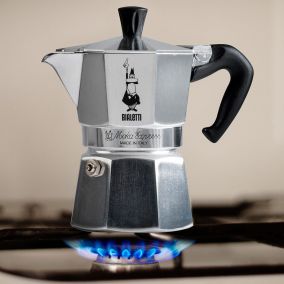
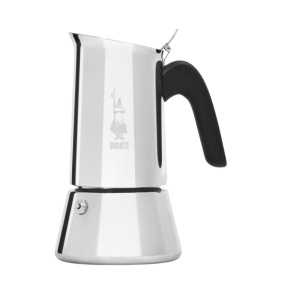
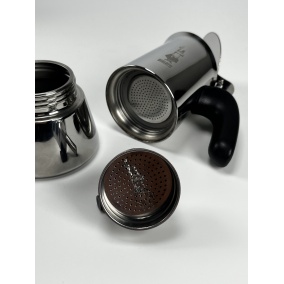
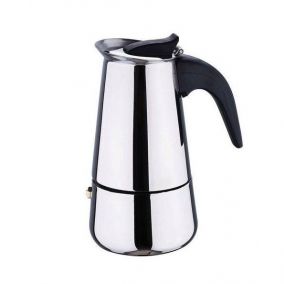
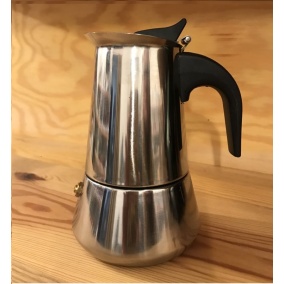
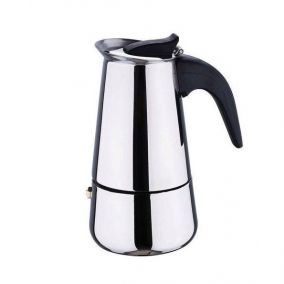
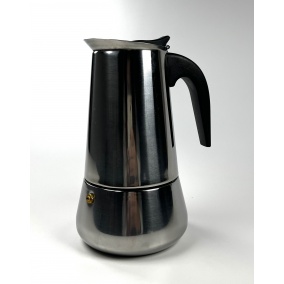
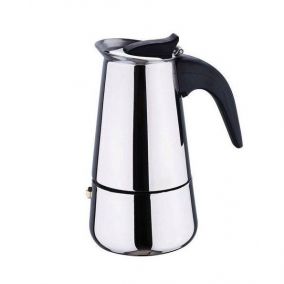
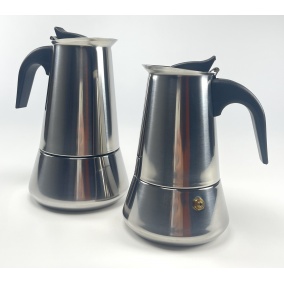
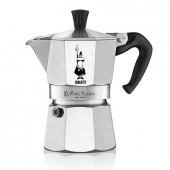
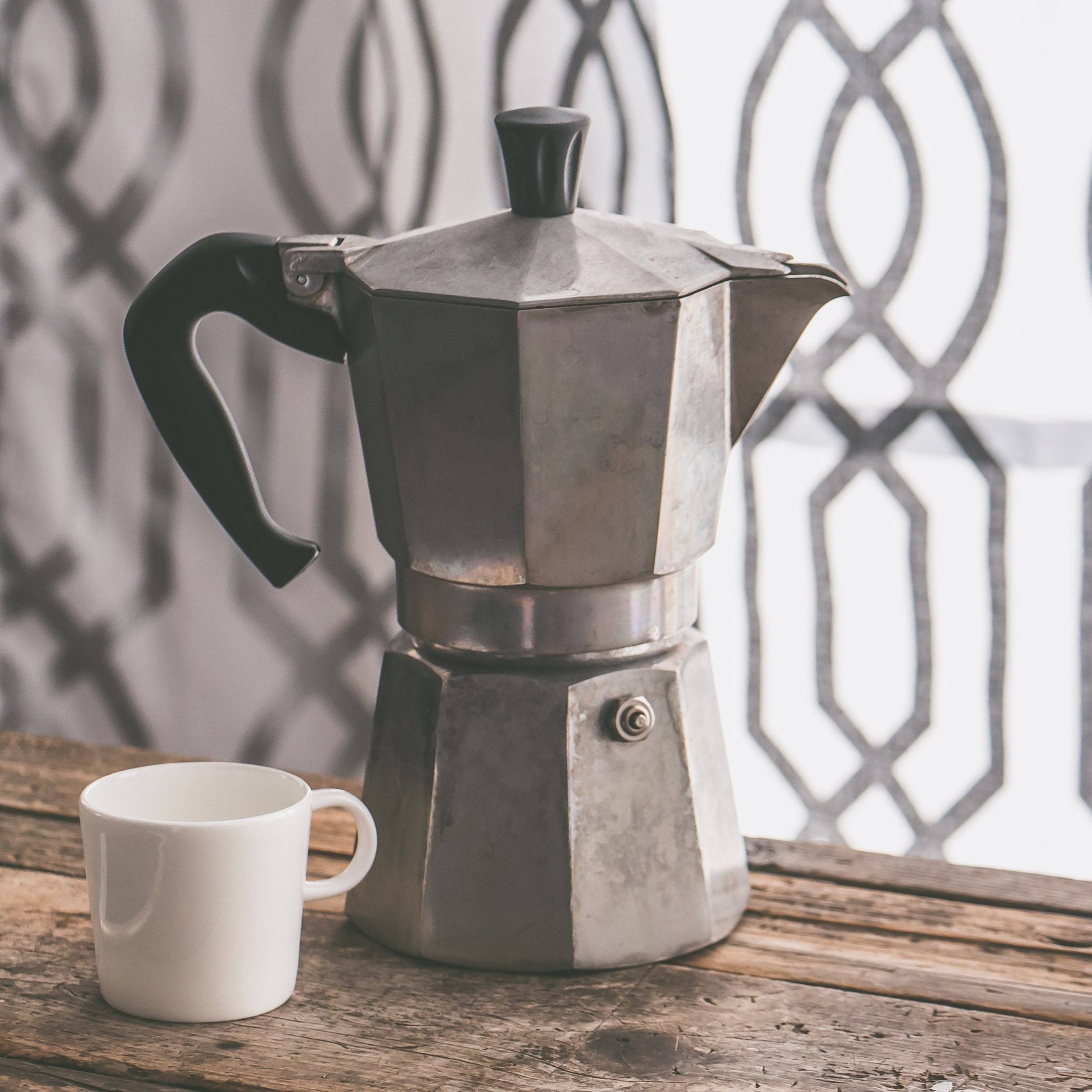
If you like a really strong coffee in a small volume, then a moka pot is ideal for you. One cup is around 50 ml, and in terms of strength, coffee from a moka pot is compared to espresso. Of course, it will never be as strong as true espresso, but it is very similar. After all, that is why Alfonso Bialetti invented it in 1933. He wanted Italians, espresso lovers, to be able to enjoy a strong coffee like from a café in the comfort of their own home. If you have just bought a moka pot, now is the perfect time to find out how to prepare specialty coffee in it so that it is simply fantastic.
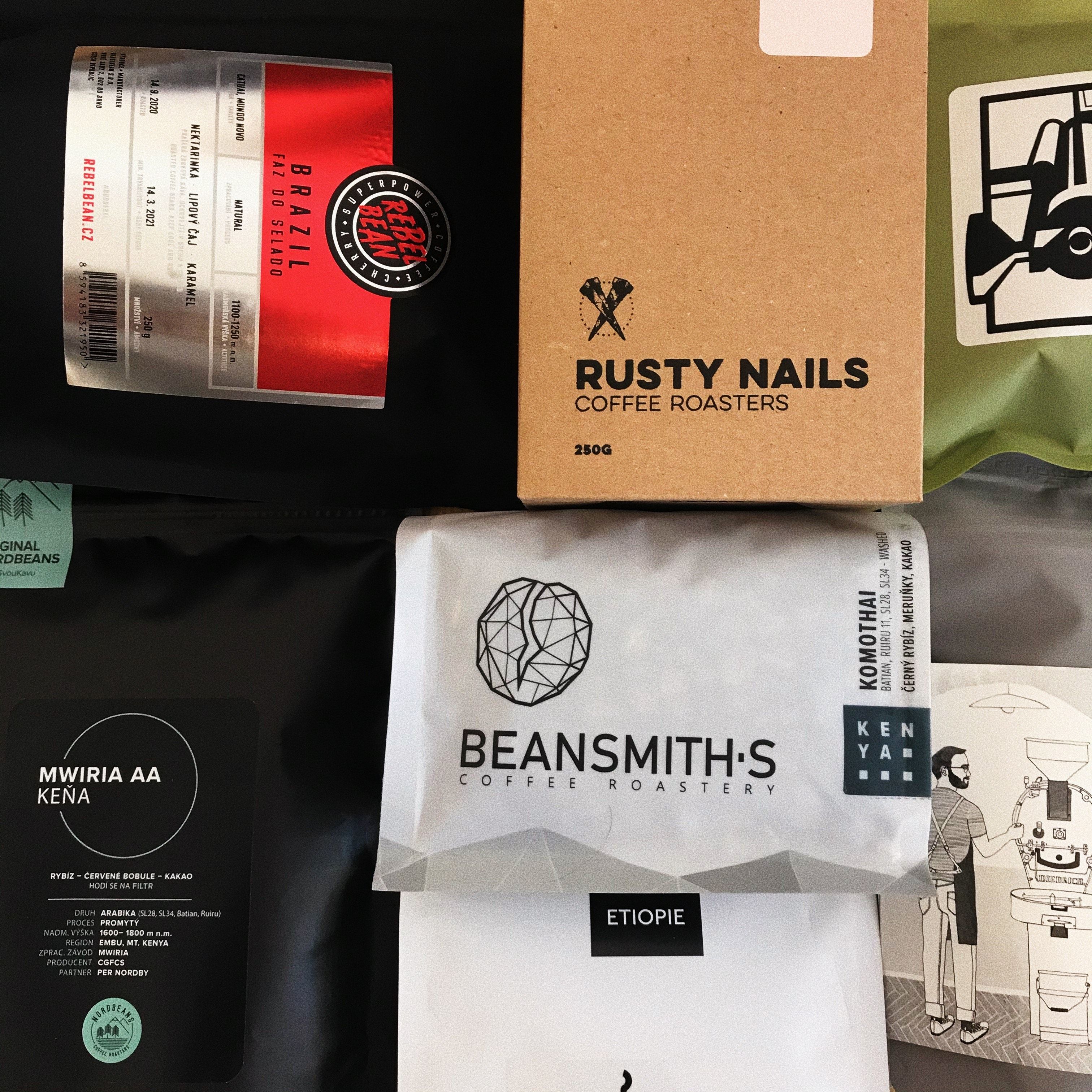
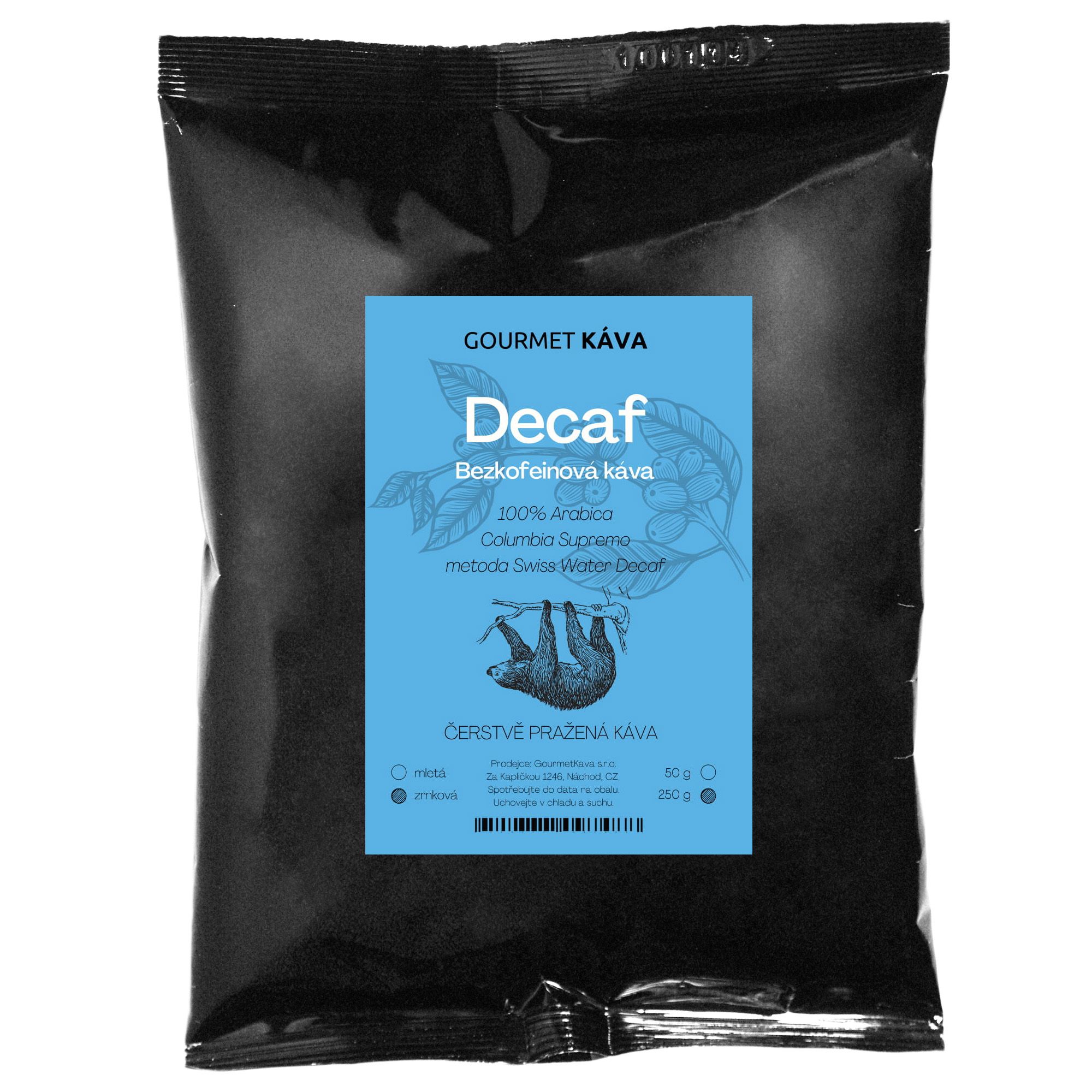
Recommended coffee | Grind size | Water | Preparation instructions | Everything for preparation
The main advantage of a moka pot is its very low cost compared to espresso machines. Often, a moka pot for a few hundred can produce significantly better coffee than a coffee machine for 1-5 thousand CZK, or capsule coffee machines.
DO YOU WANT TO BUY A MOKA POT?
Brief Introduction: What is a Moka pot?
- Brewing Principle: The Moka pot operates on the principle of rising steam pressure. For preparation, it standardly uses 15–22 g of medium to finely ground coffee per 150–200 ml of water (depending on the pot size, filled just below the safety valve). The pressure generated at the bottom pushes hot water at a temperature of 92–95 °C upward through the coffee bed. The total extraction time on the heat source ranges between 1–2 minutes, until the coffee starts flowing into the upper chamber.
- Flavor Profile: The resulting beverage is characterized by an exceptionally intense, concentrated, and heavy body with a pronounced bitterness and full flavor. In terms of character and viscosity, it comes very close to traditional espresso, even without a high-pressure espresso machine, offering a strong coffee experience with a long-lasting and distinct aftertaste.
- Volume and Serving: Served depending on the size of the pot, most frequently in small espresso cups with a capacity of 30–60 ml or used as a base for milk-based coffee drinks. A crucial rule of service is to immediately cool the bottom chamber of the pot under cold running water as soon as the brewing finishes to prevent the beverage from burning and developing a metallic off-flavor.
How does a Moka pot differ from other coffee classics?
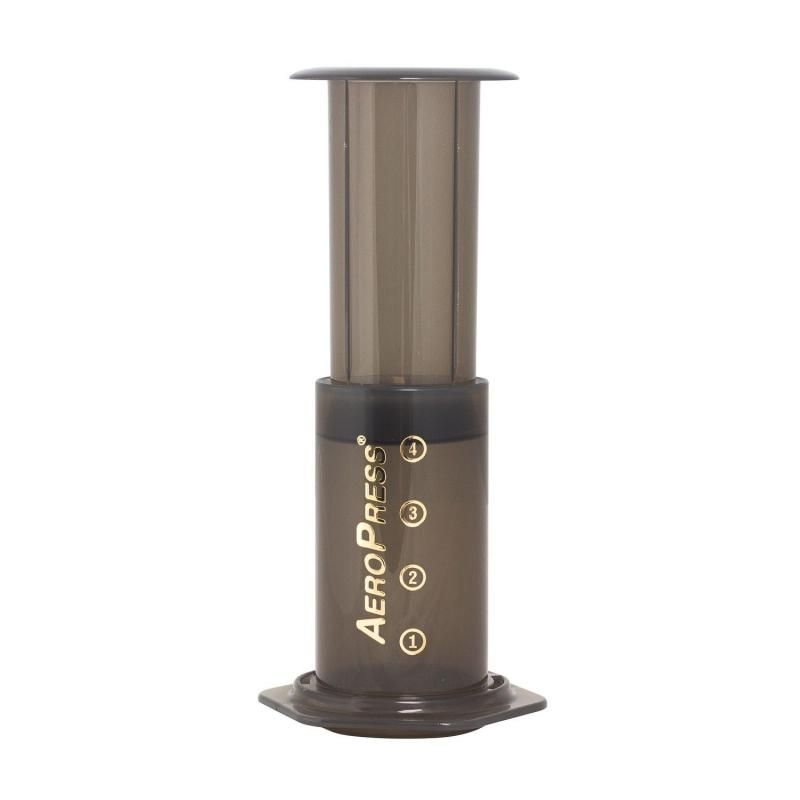
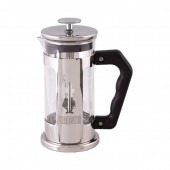
The main difference between brewing in a Moka pot and other alternative methods lies in the use of pressure and temperature. It is frequently compared with the French press method. While the Moka pot utilizes hot steam overpressure to force water upward through the coffee, the French press operates on total immersion, where the coffee steeps freely in water for several minutes before being filtered with a plunger. The resulting cup from a Moka pot is much more concentrated, stronger, and less earthy than one from a French press. Compared to the Aeropress, where you create pressure manually and filter the coffee through a paper filter, the Moka pot uses a metal mesh that allows all oils to pass through, and extraction happens at a significantly higher temperature, leading to a more intense and traditional "Italian" flavor profile.
| Coffee Parameter |
Moka pot |
French press |
Aeropress |
| Dose (Input Weight) |
15–18 g (depending on basket size) |
15–18 g (per 250 ml of water) |
15–18 g (per 200 ml of water) |
| Yield (Output Volume) |
100–120 ml (depending on pot size) |
220–230 ml |
170–180 ml |
| Brew Ratio |
1:7 to 1:8 |
1:15 to 1:16 |
1:11 to 1:13 |
| Extraction Time |
1–2 minutes (on the stove) |
3–4 minutes |
1.5–2 minutes |
| Consistency & Body |
Very dense, concentrated, heavy, no sediment |
Dense, heavy, oily with fine sediment |
Medium-bodied, smooth, very clean |
| Main Flavor Notes |
Intense, dark chocolate, nuts, cocoa |
Deep, chocolatey, earthy, lower acidity |
Balanced, sweet, intense, clean |
| Caffeine Content per Cup |
90–140 mg (high concentration per small volume) |
80–120 mg |
65–90 mg |
Frequently Asked Questions about Making Moka Pot Coffee
Does Moka pot coffee contain more caffeine than an espresso?
Yes, a standard serving of Moka pot coffee can have a higher or comparable caffeine content to a classic espresso when calculated relative to its volume. Although the extraction occurs relatively quickly (around 1–2 minutes), the higher water temperature close to boiling point and intense steam pressure manage to extract a very high amount of caffeine from the coffee beans. The resulting beverage is a strong concentrate that typically contains 90–140 mg of caffeine, making it an excellent morning wake-up call.
How do I correctly adjust the grinder, and why is tamping prohibited for a Moka pot?
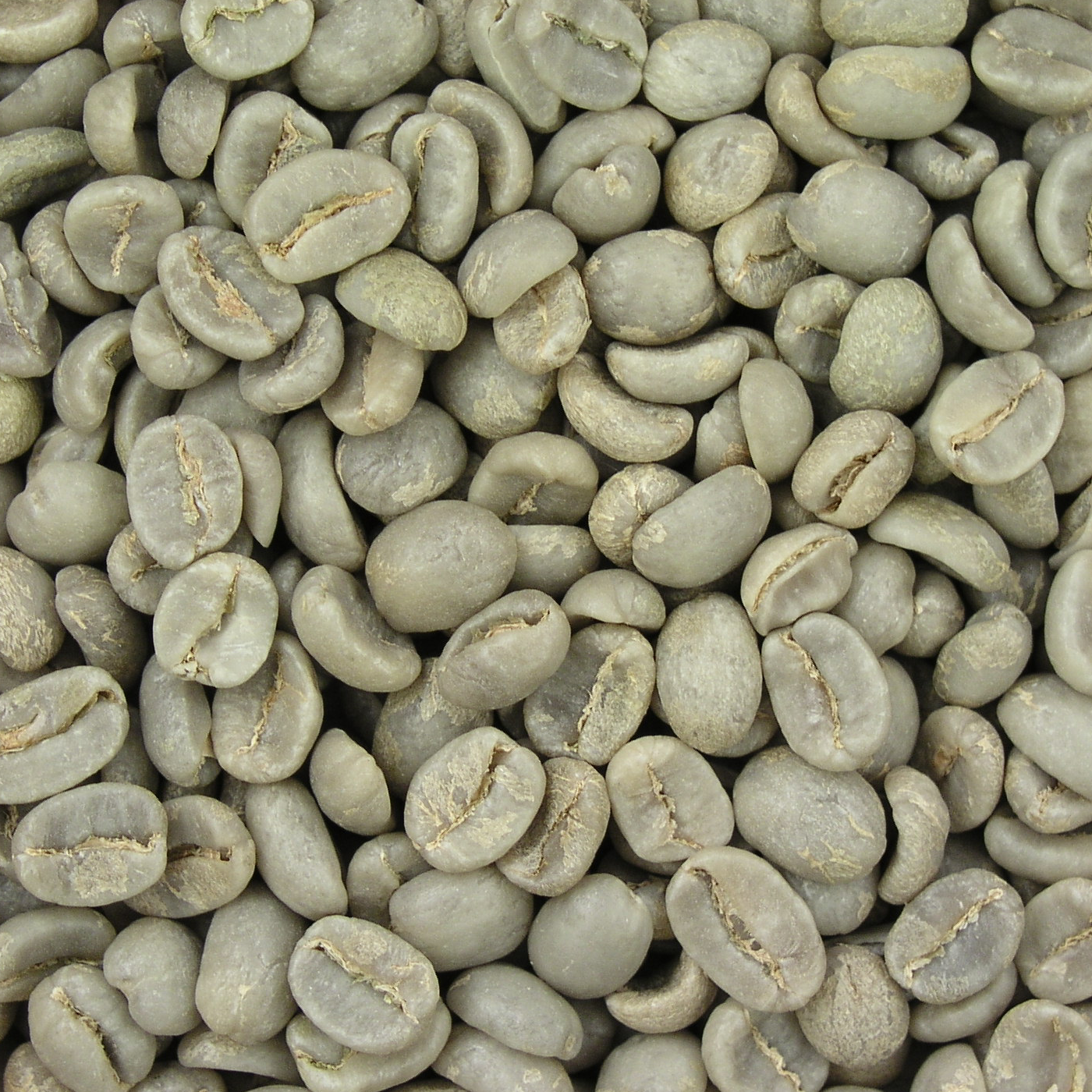
For a Moka pot, you must adjust your grinder to a medium-fine setting (Fine to Medium-Fine), which is slightly coarser than for a classic espresso, resembling fine sand or table salt in texture. Tamping (compressing) is strictly prohibited here – simply level the coffee to the rim of the basket without pressing it down. If you tamp the coffee, the rising steam wouldn't be able to pass through the coffee bed, the pressure would rise to a dangerous level, and the coffee would burn inside the pot.
What type of coffee beans and roast degree are best suited for a Moka pot?
The Moka pot is ideal for darker and more traditional flavor profiles, making medium-dark to dark roast beans (Medium-Dark to Dark Roast) the most suitable choice. Espresso blends of Arabica with a share of high-quality Robusta, or single-origin 100% Arabica from Latin America or India, work beautifully. Deep, intense notes of dark chocolate, roasted nuts, and caramel take center stage. Very light roasts can taste unpleasantly sour and astringent in a Moka pot.















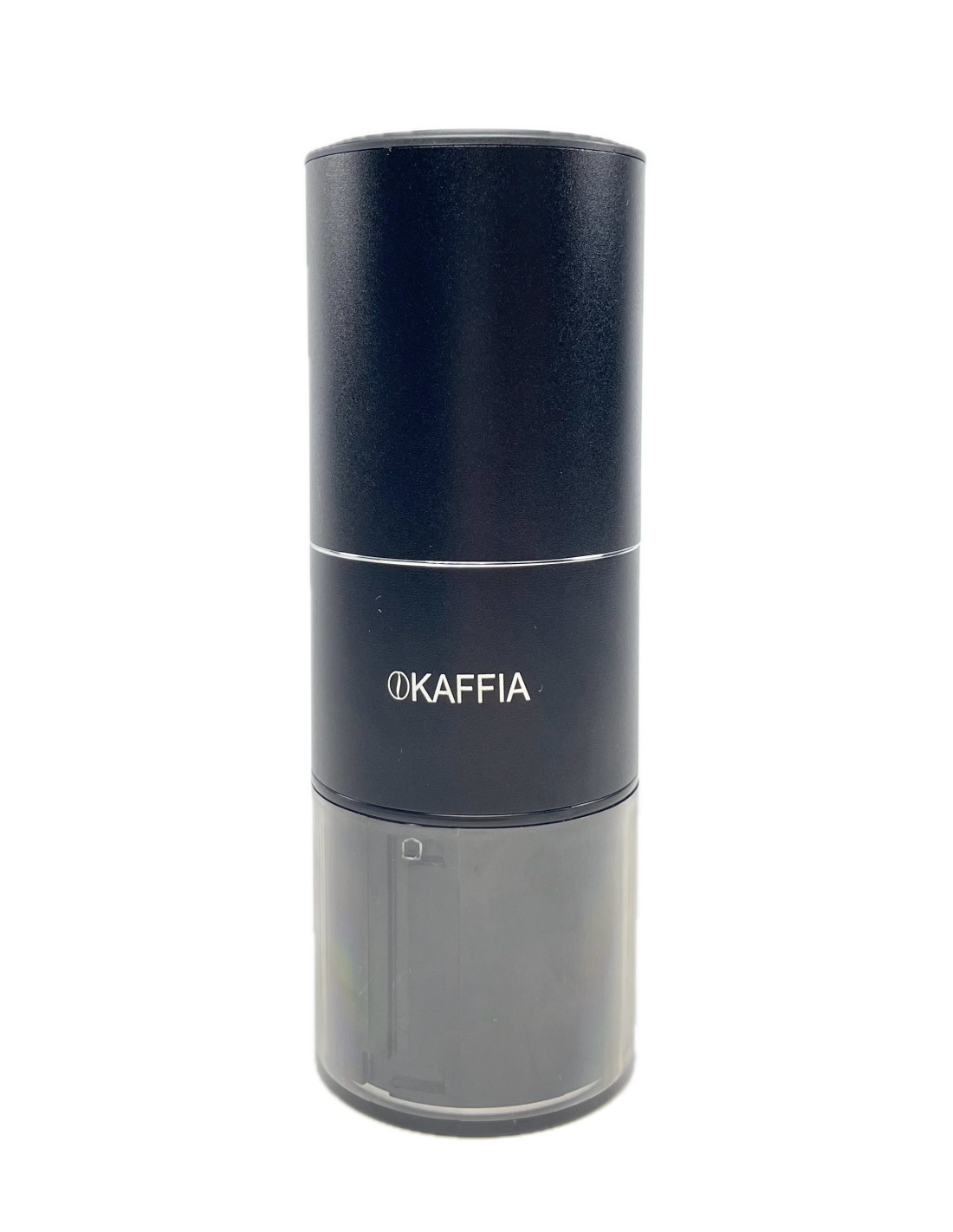

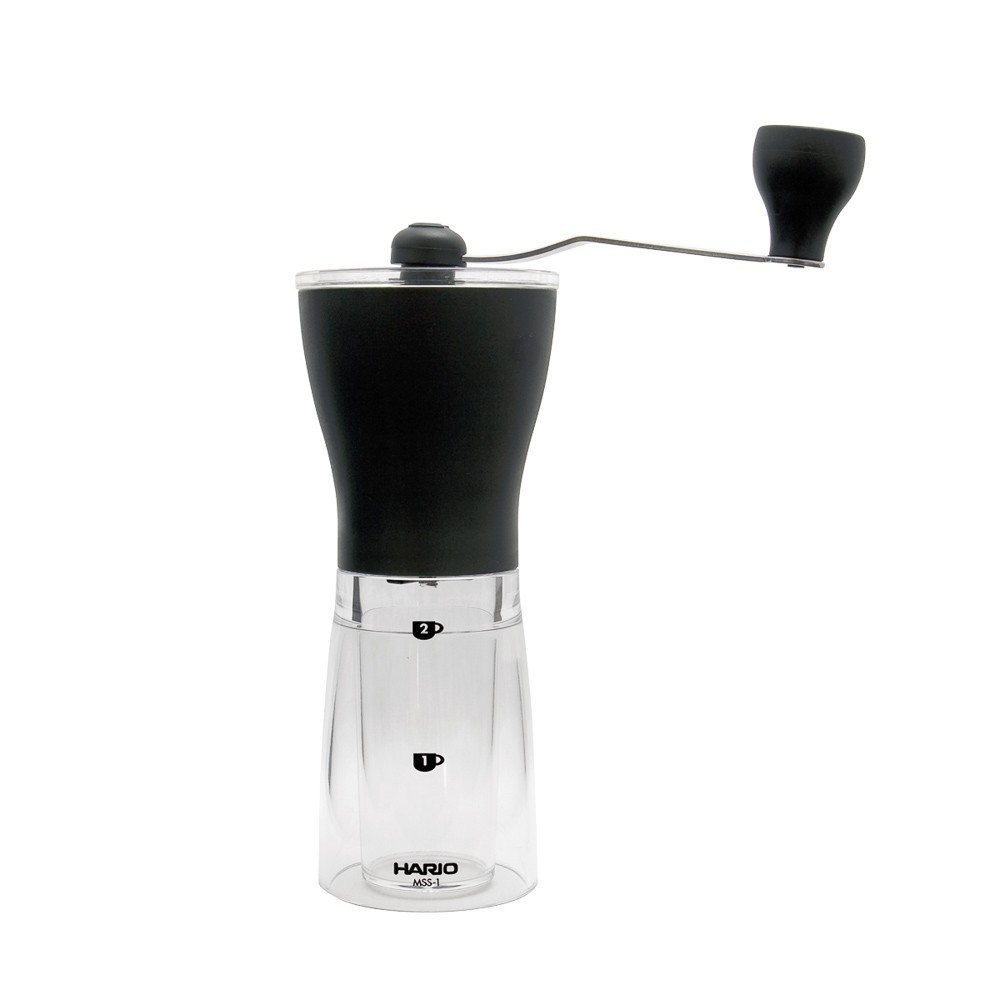
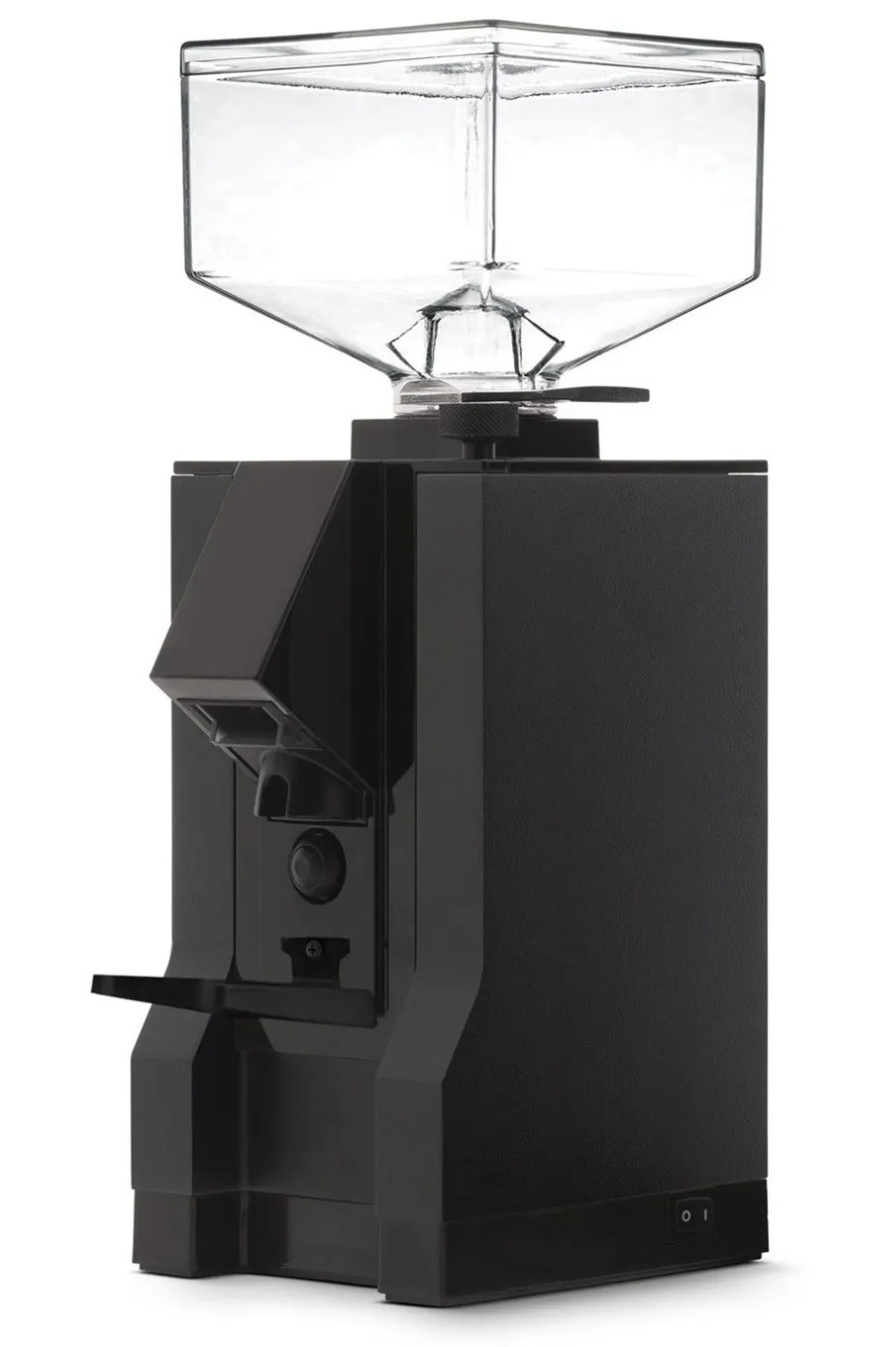
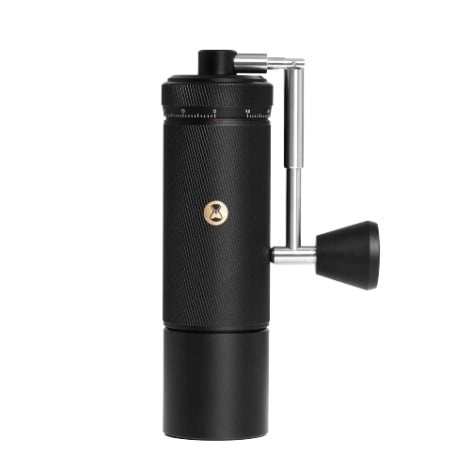
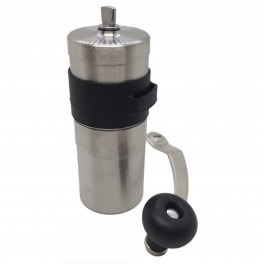
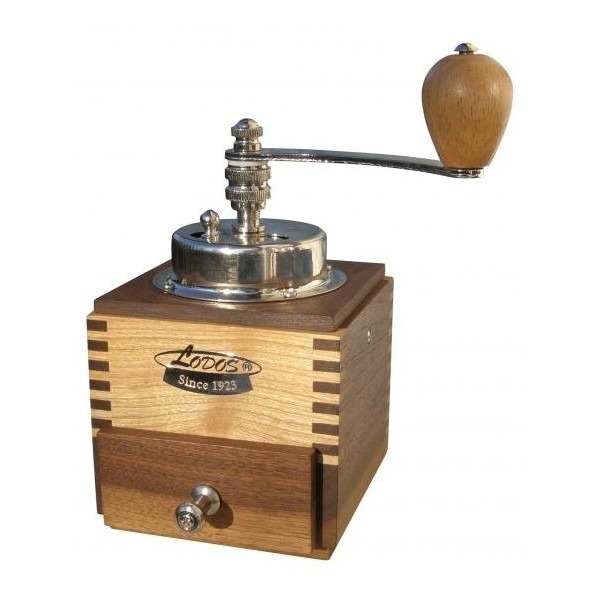
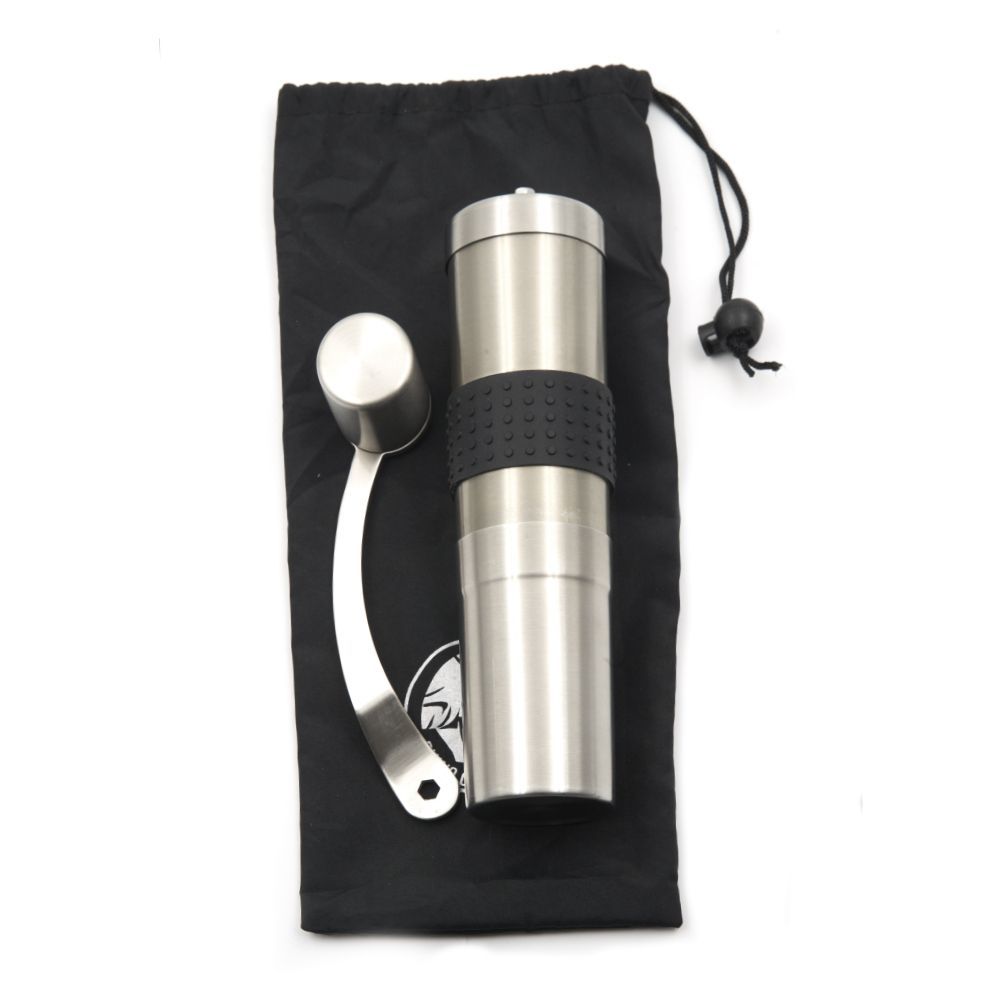




























 GRIND SIZE: medium-fine grind