We all know who discovered America. But not everyone knows that America discovered Americano.
When the first American diluted espresso
America is, in terms of coffee culture, the land of filter coffee. And it has been for more than a century. Thus, American movies have domesticated the restaurant scene where the waitress walks around the guests with a pot full of coffee and pours it into large mugs. And that's the kind of coffee Americans have been used to for generations. So no one can be surprised at the surprise of the American soldiers who, as liberators, were served their beloved espresso by the Italians at the end of the Second World War.
Nowadays, of course, no one knows which soldier was the first to pour the espresso into the cup and refill it with hot water. But you can imagine the shock of the Italian servers. The euphoria of the end of the war no doubt helped, but in any case, "watered-down espresso" served in large cups became widespread, and under the name of Americano coffee.
America as a continent, however, had to wait quite a long time for this "own" drink. It was not until the 1990s that this coffee appeared on the Starbucks menu.
How much extra water in an americano?
- So you already know that an coffee Americano is created when you fill the finished espresso with hot water. Originally it was a 1:1 ratio, but you'll also see 1:2 or even 1:4. Ultimately, it depends on the preferences of the consumer.
- It is quite crucial that you add water to the already finished coffee. So you don't brew the coffee in more water, because then you would get lungo. Moreover, the coffee is diluted by the consumer. So if you order an Americano in a café, you get an espresso in a larger cup and a pot of hot water to go with it. The resulting drink is of course relatively low in caffeine, if you dilute 30ml of espresso into the resulting 60-120ml of drink, you can expect a dose of 50-70mg of caffeine.
- As far as coffee types are concerned, experts advise preparing Americano from a mixture of Arabica (90%) and Robusta (10%). This will ensure a more stable and thicker froth.
- Roasting level can range from medium to dark, the darker the coffee you use, the more bitter and less acidic the resulting drink will be.
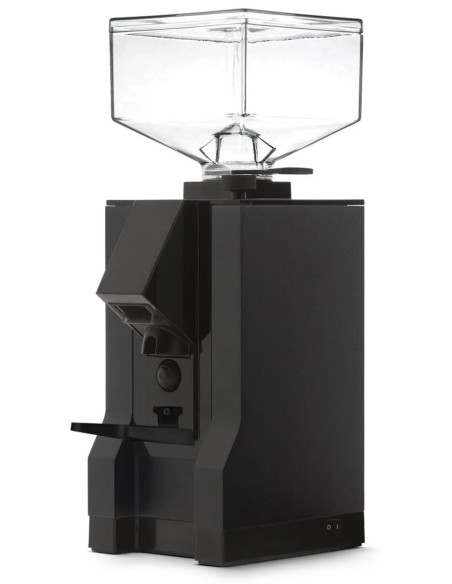
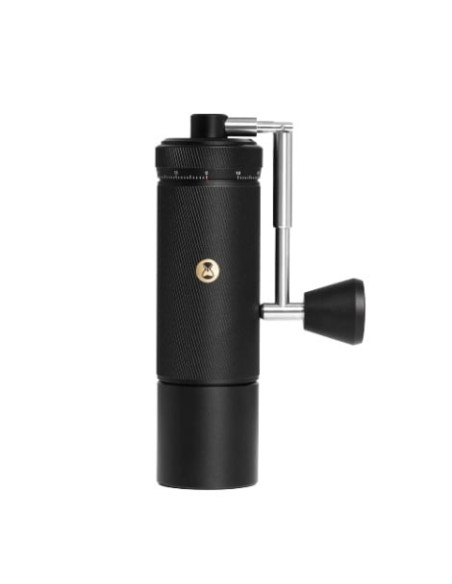
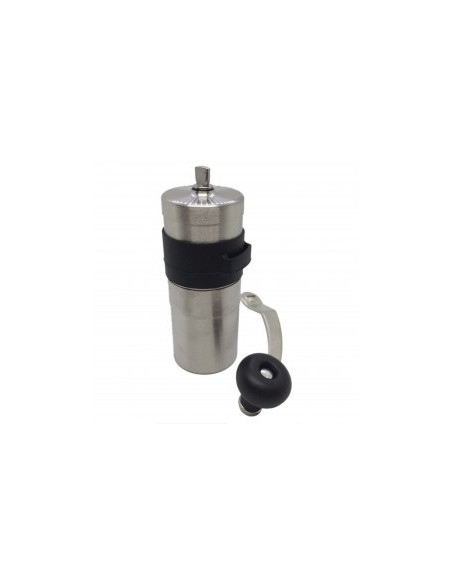
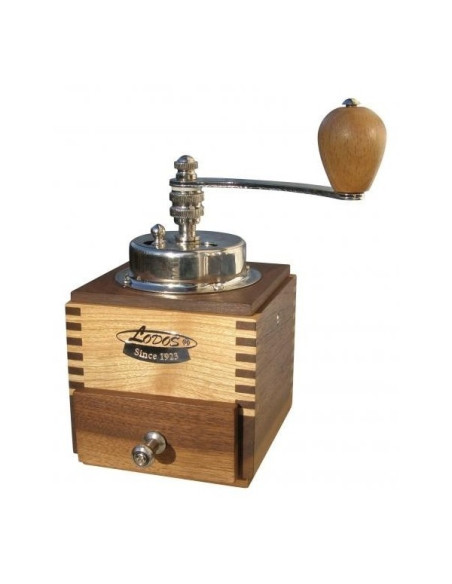
- Grind is recommended to be fine or medium.
Nowadays, no one will serve you an Americano with an emphatically raised eyebrow to make it clear - as soon as you grip the teapot and tilt it over the cup - that "this is not coffee anymore".
Café Americano is here for those who like their coffee in a big mug but don't need a caffeine bomb.
Short Introduction: What is an Americano?
- Brewing Principle: The base of the drink is a standard espresso or espresso doppio extracted from 14–20 g of finely ground coffee, resulting in a volume of 30–60 ml with an extraction time of 25–30 seconds (brew ratio 1:2). This espresso is then diluted with hot water at approximately 90 °C in a ratio of 1:3 to 1:5.
- Flavor Profile: Americano offers the full aroma of a classic espresso but with a lighter, smoother body and lower viscosity. The resulting texture is more watery, while the acidity, bitterness, and natural sweetness are balanced and less aggressive. The aftertaste remains long and pleasantly coffee-like.
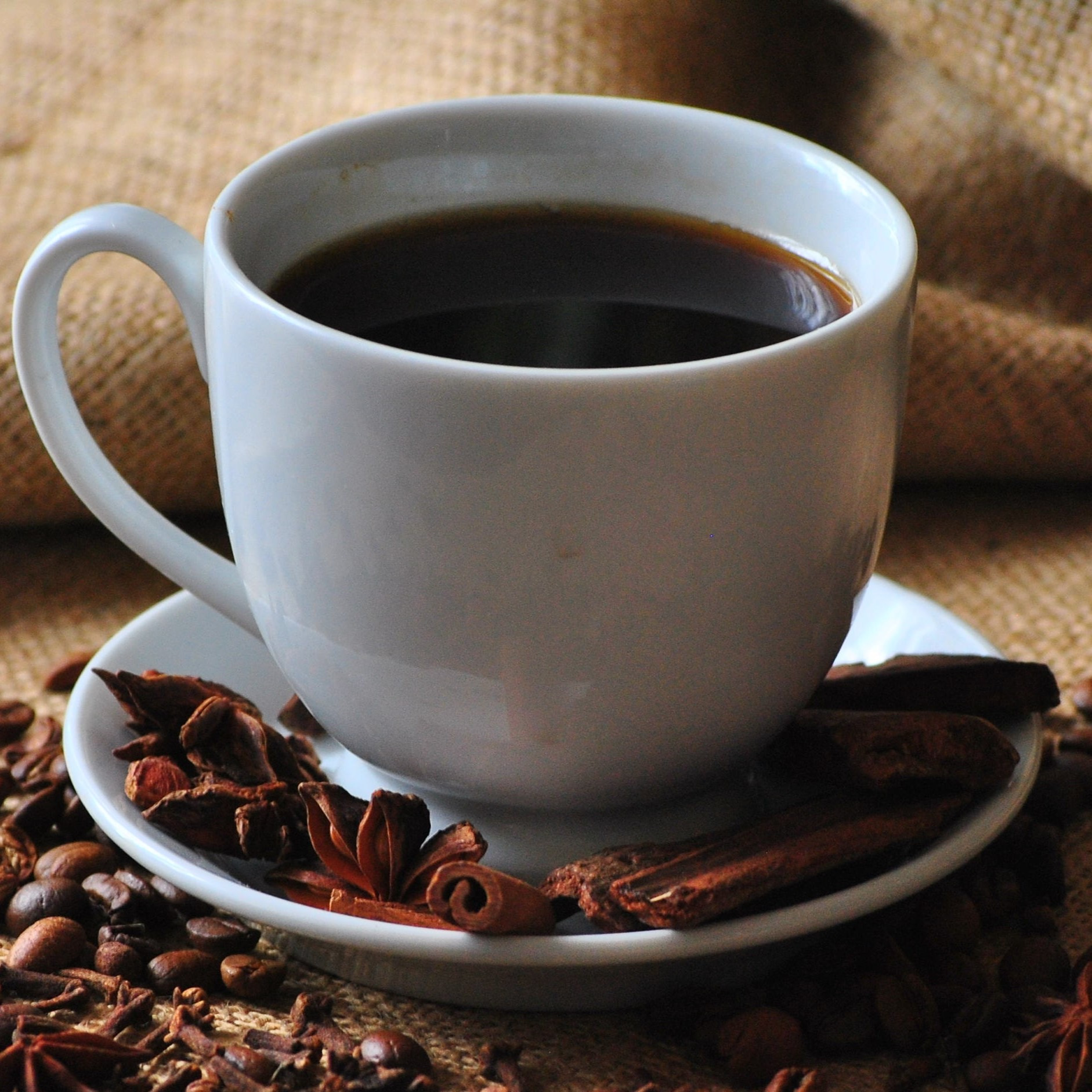
- Volume and Serving: The drink, with a total volume of 150–180 ml, is served in a large cappuccino cup. The correct serving ritual consists of presenting a cup with the fresh espresso (or hot water) and a separate small pitcher of hot water so the customer can dilute the coffee themselves according to preference.
How does an Americano differ from other coffee classics?
The main difference between an Americano and other black coffees lies in the moment and method of adding water to the drink. Unlike a Lungo, where all the water passes directly through the coffee puck in the portafilter throughout the extraction process (leading to over-extraction and higher bitterness), for an Americano, hot water is added to a ready, properly extracted espresso. This preserves the refined flavor notes and prevents the release of woody and bitter substances.
Compared to a classic Espresso Single or Espresso Doppio, an Americano has a significantly larger volume and a lower concentration of flavor components per milliliter, making it an ideal choice for those who want to enjoy their coffee longer but prefer a clean taste without milk.
| Beverage Parameter |
Americano |
Espresso Doppio |
Lungo |
| Input Coffee Weight |
14–20 g |
14–20 g |
7–9 g |
| Output Weight / Volume |
150–180 ml (including water) |
50–60 ml |
60–90 ml |
| Brew Ratio |
1:2 (base) + hot water |
1:2 |
1:3 to 1:4 |
| Extraction Time |
25–30 seconds |
25–30 seconds |
40–50 seconds |
| Consistency and Body |
Light, watery, smooth |
Very dense, syrupy, creamy |
Medium-bodied, slightly harsh |
| Main Flavor Notes |
Gentle, balanced, less intense |
Concentrated, sweet-bitter, bold |
More bitter, woody, higher astringency |
| Caffeine Content per Cup |
Standard (approx. 60–80 mg) |
High (approx. 120–160 mg) |
Higher from a single shot (approx. 70–90 mg) |
Frequently Asked Questions about Americano Preparation
Does an Americano have more caffeine than a classic espresso since it is a larger drink?
No, this is one of the most common myths. The caffeine content in a cup is determined solely by the amount of ground coffee used and its extraction time. Since an Americano is prepared by diluting a standard espresso with hot water, it contains exactly the same amount of caffeine (approximately 60–80 mg for a single shot). Simply adding pure water does not increase the caffeine content; it merely dilutes the beverage.
How do I correctly adjust the grinder and tamp the coffee for a perfect base?
To prepare a high-quality Americano, you must first achieve a perfect espresso shot. Set your grinder to a fine setting – the consistency should resemble fine cornmeal. Ensure an even distribution of coffee when grinding into the portafilter. Then, use a tamper to press the coffee flat with firm, even pressure. Do not tap the portafilter after tamping, as this can create micro-cracks in the coffee bed, causing water to channel through too quickly and under-extract the coffee.
What roast degree and bean origin are best suited for this drink?
Since hot water reveals any flavor defects, we recommend using high-quality 100% Arabica, or blends with a maximum of 10% specialty Robusta for a more stable crema. A medium to medium-dark roast (Medium / City roast) is most suitable. A very dark roast combined with hot water can taste excessively bitter and ashy, while an overly light roast might taste too sour and empty due to its higher acidity when diluted.






































 Choose a quality