
Shopping Cart





















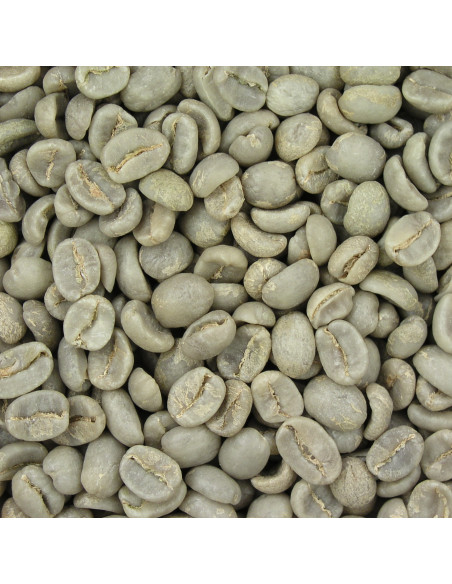

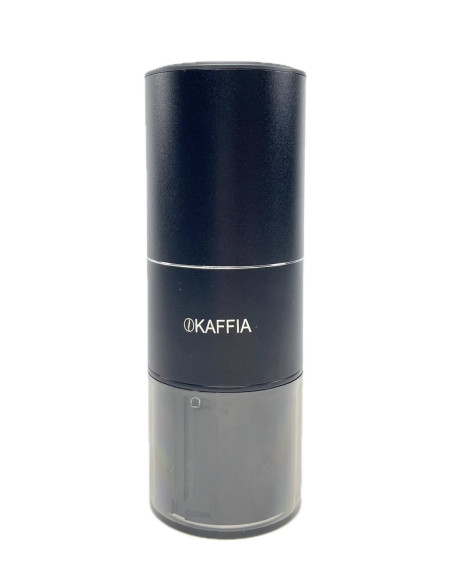
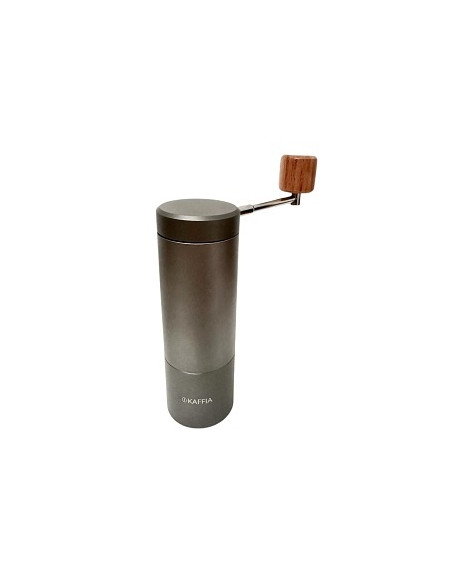
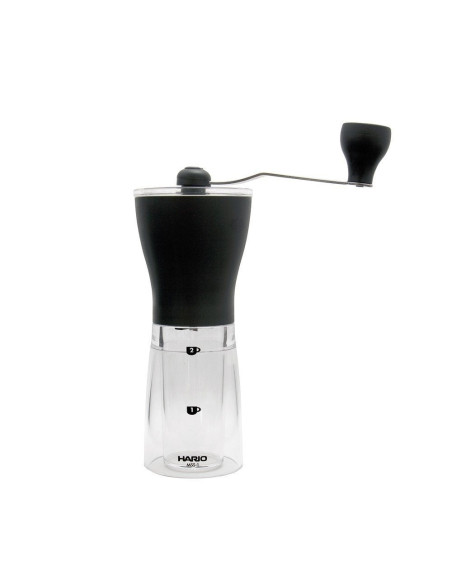
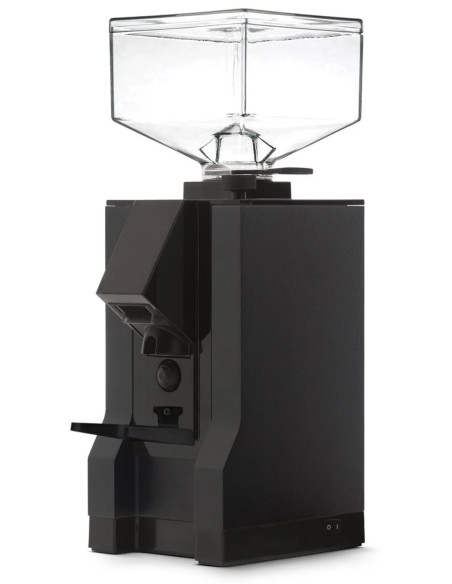
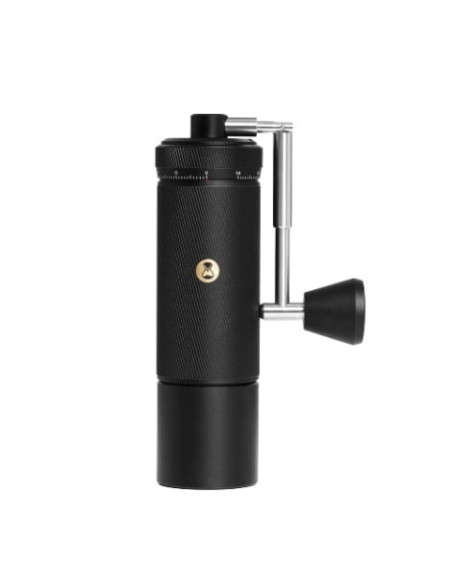
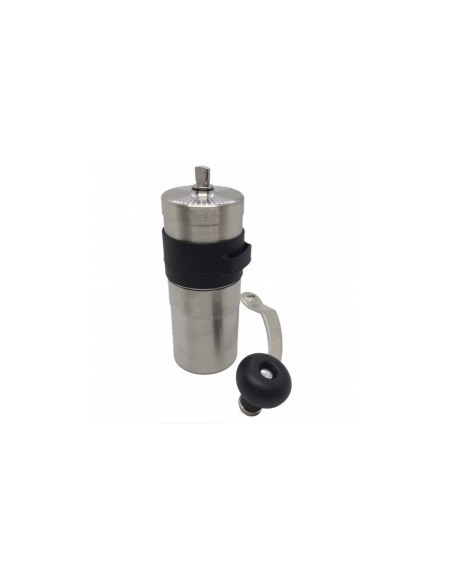
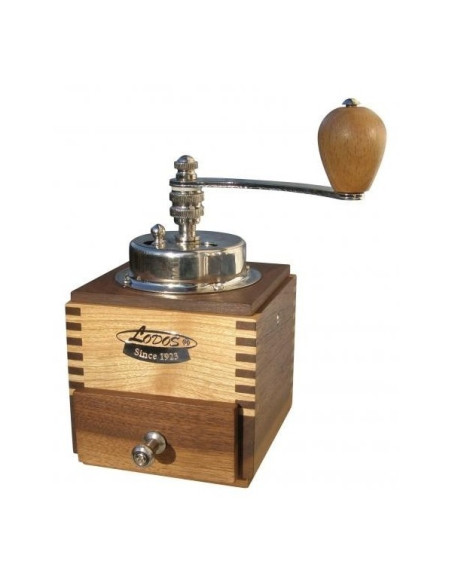
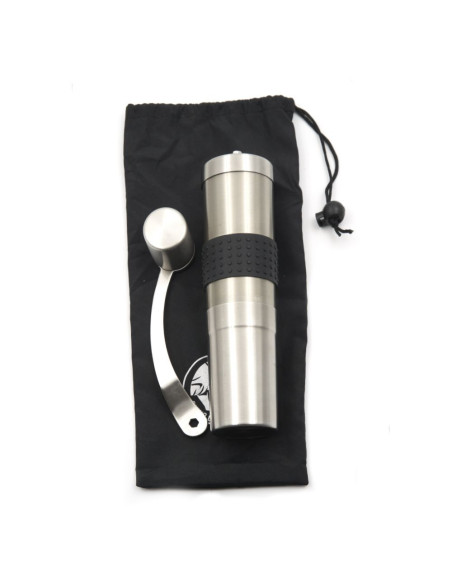
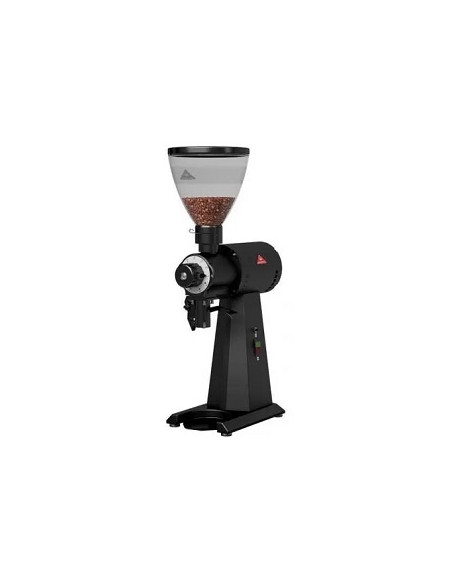
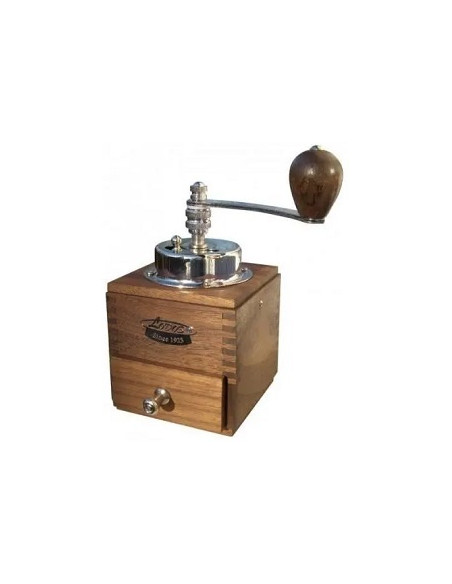

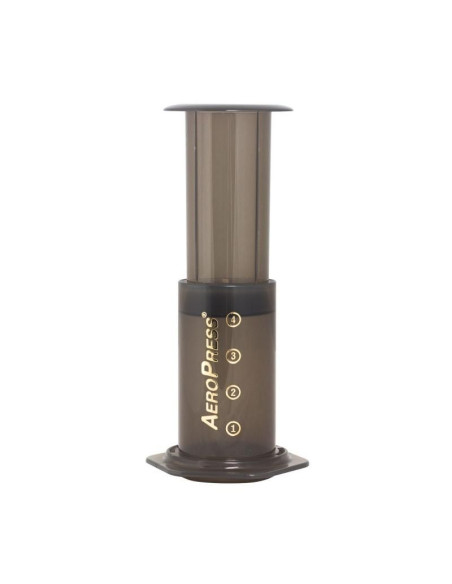
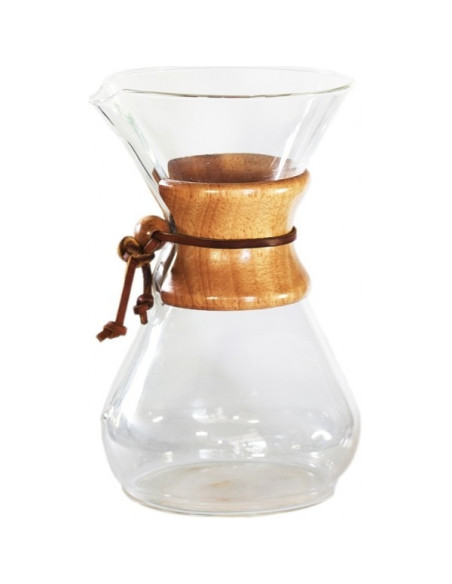











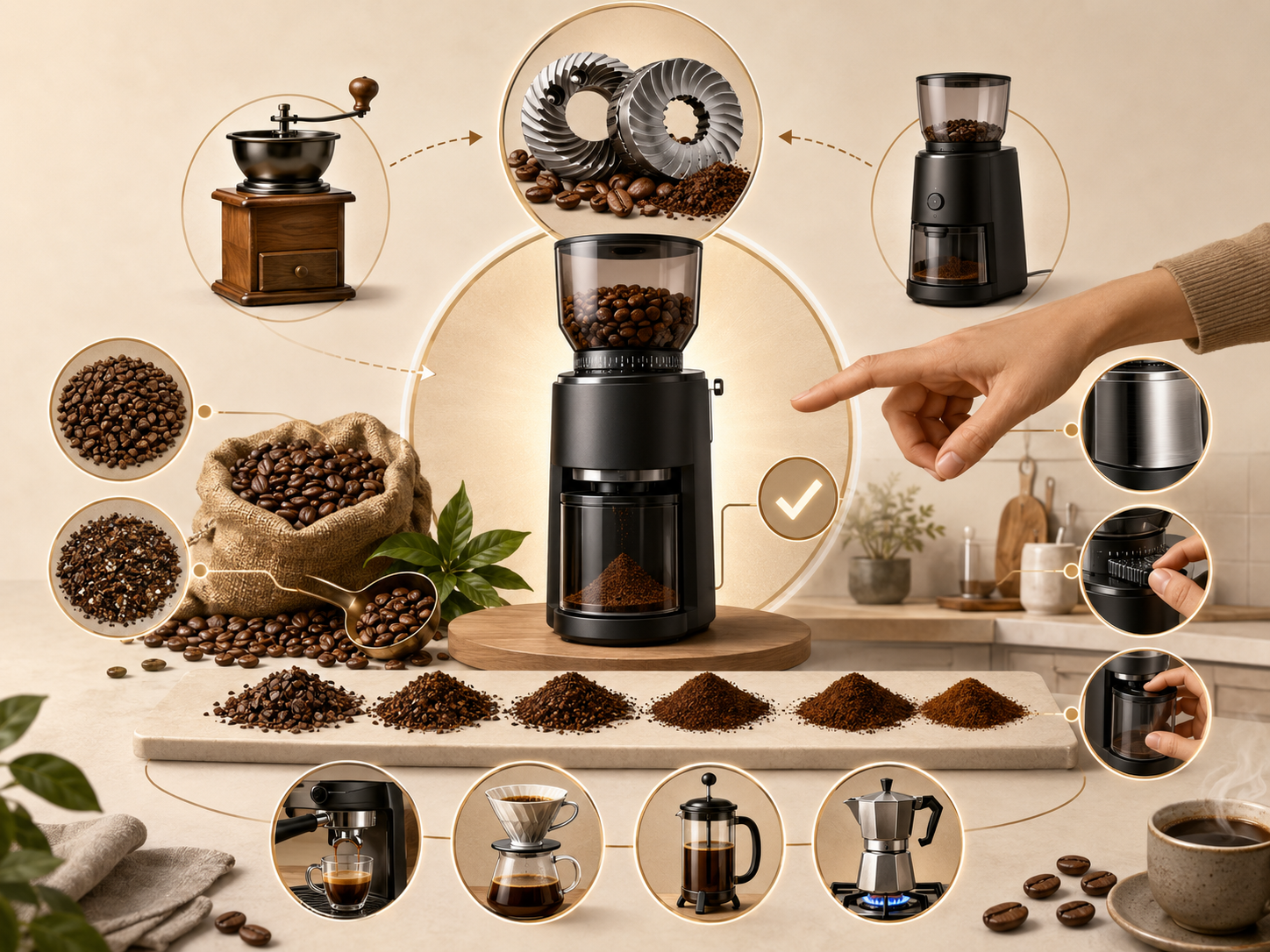
When choosing a coffee grinder, the most important factors are your brewing method, grind precision and how often you will use it. A grinder for your morning espresso may not be the best choice for filter coffee or preparing several cups in a row. We'll explain which features matter, when to choose a manual or electric model, and how much is worth spending.
Which coffee grinder do you need? Quick recommendations
For home espresso
You need a very fine grind with precise grind size adjustment. Even a small change in the setting can significantly affect coffee extraction.
Browse electric grindersFor filter coffee
For V60, Chemex or a traditional drip coffee maker, you will especially appreciate consistent grinding. A quality manual grinder is often ideal for one or two servings.
Browse manual grindersFor easy everyday grinding
If you make several coffees a day, you'll appreciate the speed of an electric grinder. It handles grinding without physical effort and usually manages larger quantities too.
Choose an electric grinderFor travel and the office
Look for compact dimensions, low weight and easy operation. Alongside conventional manual grinders, consider USB rechargeable models.
Browse USB grindersHow to choose a coffee grinder
Before comparing individual models, clarify three things. They will help you narrow the selection and avoid paying for features you will never use.
1. How do you brew coffee?
Espresso calls for a very fine grind with precise adjustment. For filter coffee, particle consistency is important, while a French press requires a coarser grind.
2. How much coffee do you normally grind?
A manual grinder is often enough for one or two cups a day. If you make coffee for the whole family or a large pot of drip coffee, an electric grinder saves effort.
3. What do you expect from your grinder?
A manual grinder usually offers good value in terms of grind quality. An electric model is particularly useful if you don't want to turn a crank every morning.
Which grinder suits each brewing method?
Every brewing method requires a slightly different grind size. It is not just about how finely a grinder can grind the beans. Particle consistency and the ability to adjust the grind gradually to improve the flavour matter too.
Comparison by brewing method
| Brewing method | Typical grind size | What your grinder needs to deliver |
|---|---|---|
| French press | coarser | consistent grinding even at coarse settings |
| V60 / Chemex / filtr | medium to medium-fine | consistent grinding with a limited amount of fine dust |
| AeroPress | depending on the recipe | a wider adjustment range for different brewing techniques |
| Moka pot | finer | consistent grinding with room for fine adjustments |
| Espresso | very fine | highly precise adjustment in the fine-grind range |
The right setting can vary with the coffee, the recipe and the grinder itself. If you're unsure, see our guide on how to choose the right coffee grind size.
Manual or electric coffee grinder?
A manual grinder does not necessarily produce worse results than an electric one. Without a motor or electronics, it can offer a better grinding mechanism for a similar price. This is particularly valuable when preparing smaller amounts of coffee.
An electric grinder saves time and effort. You'll notice the difference especially when grinding several times a day or preparing multiple servings in succession.
Manual vs electric coffee grinders
| Feature | Manual grinder | Electric grinder |
|---|---|---|
| Value for grind quality | often better value | part of the cost goes towards the motor and electronics |
| Convenience | requires manual effort | grinding without physical effort |
| Several servings in a row | less practical | more convenient and generally faster |
| Travelling | very suitable | depends on size and power supply |
| Noise level | usually lower | depends on the design and motor |
When should you choose a manual grinder?
- You usually grind one or two servings.
- You want good grind quality at a reasonable price.
- You appreciate quieter operation.
- You also plan to use your grinder while travelling.
When should you choose an electric grinder?
- You grind coffee several times a day.
- You prepare several cups at once.
- You do not want to spend time grinding by hand.
- You have a permanent spot for the grinder in your kitchen.
Which grinder features really matter?
Grinder specifications often mention burr materials, the number of grind settings, motor power or hopper capacity. But these do not all have the same impact on your coffee. Focus primarily on the following features.
The most important coffee grinder features
| Specification | What it means in practice | What to watch out for |
|---|---|---|
| Grinding mechanism | Burrs give you much better control over grind size than chopping blades. | Avoid inexpensive blade grinders, which chop beans unevenly rather than grinding them consistently. |
| Grind consistency | Particles of a similar size help produce more even extraction and more predictable flavour. | Burr material alone does not guarantee consistent grinding. |
| Grind size range | Determines which brewing methods a grinder can accommodate. | A wide range does not mean a grinder will work equally well for espresso and filter coffee. |
| Adjustment precision | Smaller steps in grind size let you fine-tune flavour and extraction more effectively. | Do not judge a grinder solely by its number of settings. The size of each adjustment also matters. |
| Burr material | Both steel and ceramic burrs can perform well. Their geometry and the overall design are more important. | Do not assume that one material automatically makes a grinder better. |
| Capacity and ergonomics | Hopper size, how comfortable the grinder is to hold, and grinding speed all affect everyday use. | A large hopper offers little benefit if you usually grind just one dose. |

Dominik recommends
Start by considering what kind of coffee you need the grinder for. More features or a powerful motor do not guarantee a better cup. A well-made grinding mechanism and precise grind adjustment are a much better investment.
For one or two coffees a day, a good manual grinder is often more than enough. But if you brew for several people, the convenience of an electric model is worth it. For espresso, I would not compromise on grind precision.
How much does a good coffee grinder cost?
Basic manual grinders start at just a few tens of euros. Better mechanisms, more precise adjustments and more convenient use usually mean a higher investment. But you don't automatically need an expensive grinder to make good coffee at home.
Base your budget mainly on how often you use the grinder and what you expect from it. With lower-priced models, grind quality is usually worth prioritising over extra features.
Grinders up to €40
A reasonable starting point for occasional and everyday home grinding. At this price, we would mainly look for manual burr grinders. Expect a simpler design and often slower grinding.
Choose a grinder under €40Grinders from €40 to €100
An interesting price range for regular home brewing. With manual grinders, you can expect more precise mechanisms, better burr stability and more comfortable operation. More affordable electric options also start to appear.
Grinders from €40 to €100Grinders from €100 to €200
For those who make coffee every day and want more control over grinding. In this price range, you can choose from very good manual grinders and electric models for home use.
Grinders from €100 to €200Grinders over €200
A higher investment may bring more precise grinding, easier dosing, quieter operation or sturdier construction. It makes the most sense for demanding home baristas and frequent use.
Browse grinders over €200These price ranges are approximate. When comparing individual grinders, consider not only the price but also their intended use, adjustment options and construction.
Frequently asked questions about choosing a coffee grinder
Which coffee grinder should a beginner choose?
For everyday home use, a manual burr grinder with adjustable grind size is a good starting point. If you plan to make espresso with a portafilter machine from the outset, choose a model specifically designed for espresso.
Is a manual or electric coffee grinder better?
A manual grinder is especially suitable for smaller quantities and often offers better value for grind quality. We recommend an electric model for those making several servings, grinding often or preferring not to grind by hand.
How much does a good coffee grinder cost?
A decent manual grinder for everyday home brewing costs roughly €40. Spending more generally brings better construction, finer adjustment, greater convenience or an electric motor. But price alone does not guarantee that a grinder suits your brewing method.
Are ceramic or steel burrs better?
Both materials can perform well. The resulting quality depends mainly on burr geometry, alignment and the grinder's overall construction. So do not judge a model on material alone.
Is a cheap electric blade grinder worth it?
We would not recommend one for regular brewing. Blades produce particles of different sizes and make grind size difficult to control. If you're on a budget, a quality manual burr grinder is usually a better investment.
Choose the grinder that suits your needs
You now know which features to look for. Continue to the relevant category and narrow down the selection by price, brewing method or other specifications.
All coffee grinders
The complete selection in one place, with filters to match your needs.
Browse coffee grindersManual grinders
For brewing smaller quantities at home, quiet grinding and travelling.
Choose a manual grinderElectric grinders
For convenient everyday grinding and preparing several servings without effort.
Choose an electric grinderUSB rechargeable grinders
A practical solution when you want freshly ground coffee away from home.
Choose a rechargeable grinder