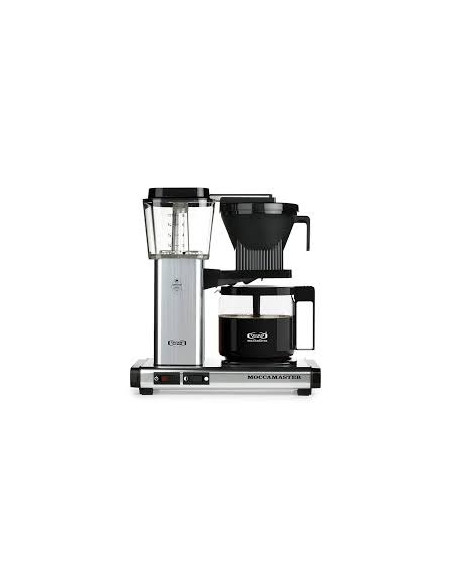
Batch brew is a method of preparing a larger amount of filter coffee in an automatic drip brewer. While it was once associated mainly with ordinary drip coffee, modern batch brew uses controlled water temperature, coffee dose, extraction time and even saturation of the coffee bed. The result can be clean, aromatic and highly consistent filter coffee suitable for cafés as well as for preparing several cups at home.
Brief introduction: What is batch brew?
- Preparation principle: A useful starting recipe is approximately 60 g of coffee per 1 litre of water, giving a Brew Ratio of about 1:16–1:17. Grind the coffee medium, place it in a paper filter and use water at approximately 92–96 °C. The automatic brewer then distributes the water gradually and ideally evenly over the coffee bed.
- Flavour profile: Properly prepared batch brew is clean, sweet and balanced. Depending on the beans, it can highlight chocolate, caramel, nuts, fruit, floral or citrus notes. Compared with espresso, it has a lighter body and lower concentration, but subtle aromatic nuances are easier to perceive.
- Volume and serving: Batch brew is commonly prepared in volumes of around 0.5–2 litres, depending on the brewer. Finished coffee is best kept in a good thermal carafe and consumed within approximately 30–60 minutes. Leaving it on a hot plate for a long time can gradually damage the flavour.
What do you need for Batch Brew?
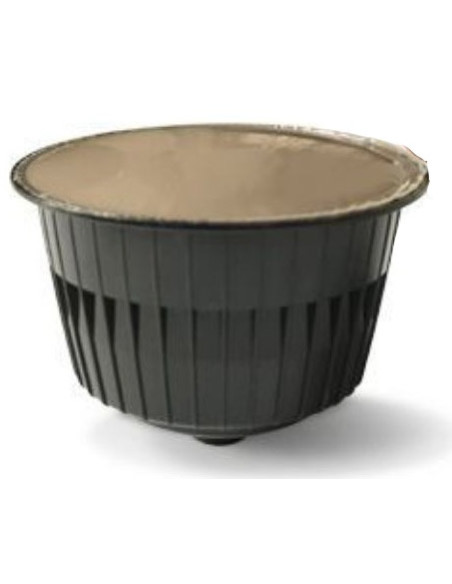
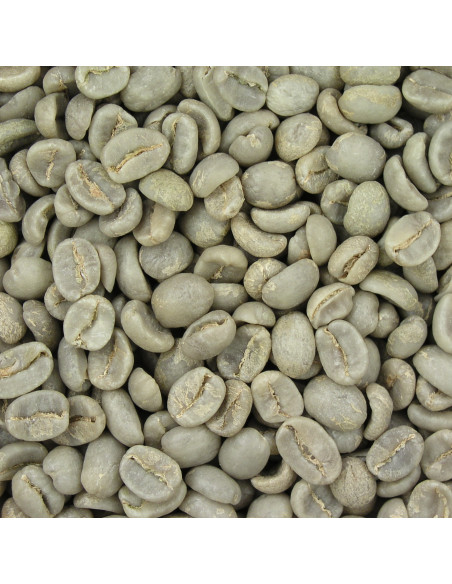
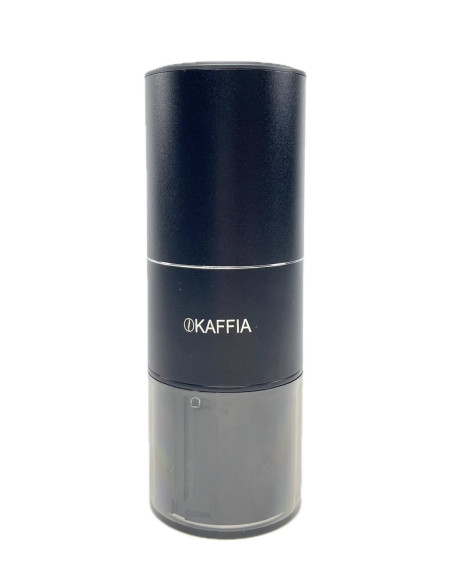
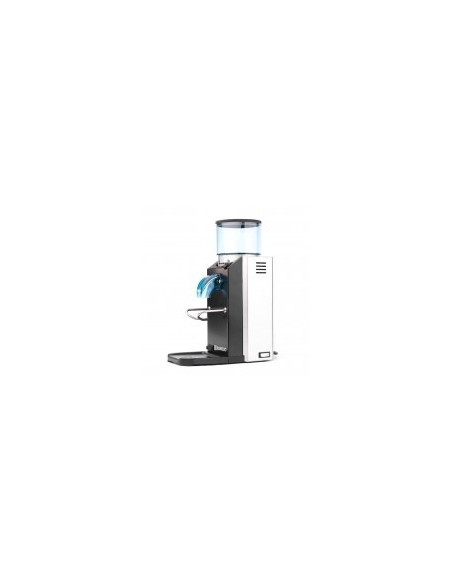
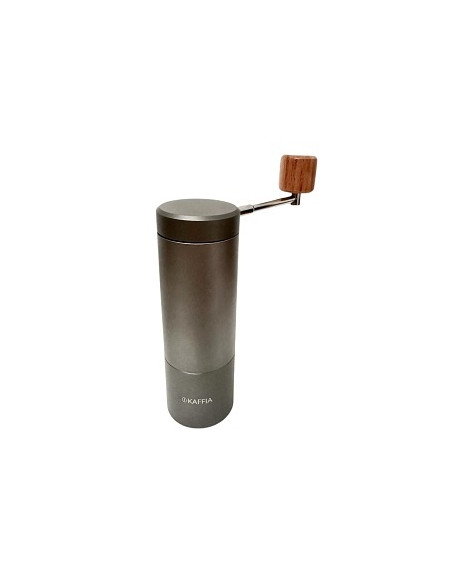
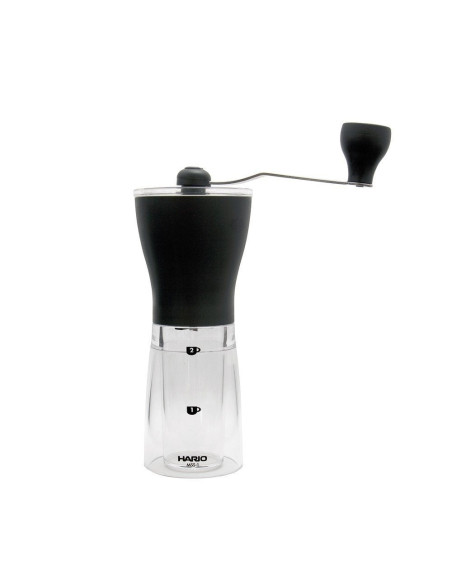
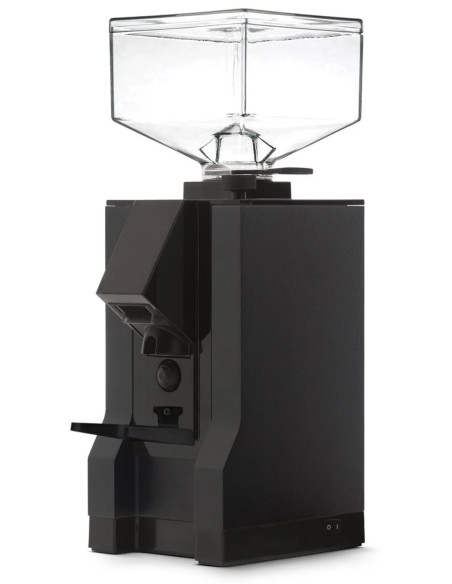
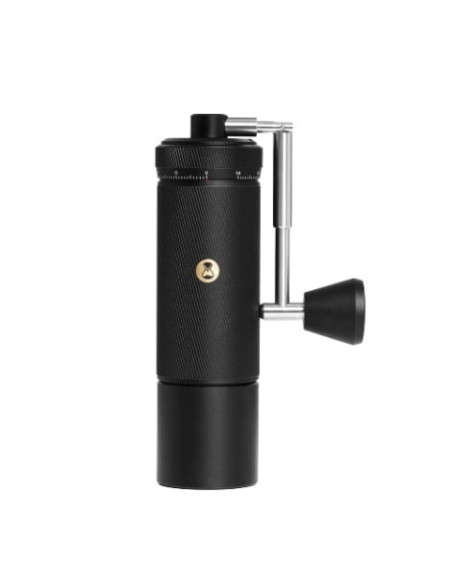
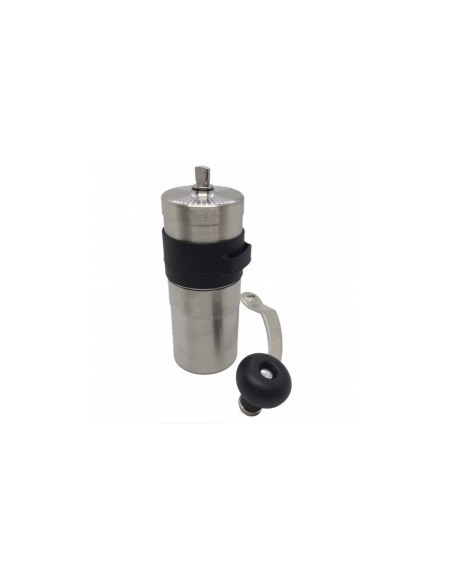
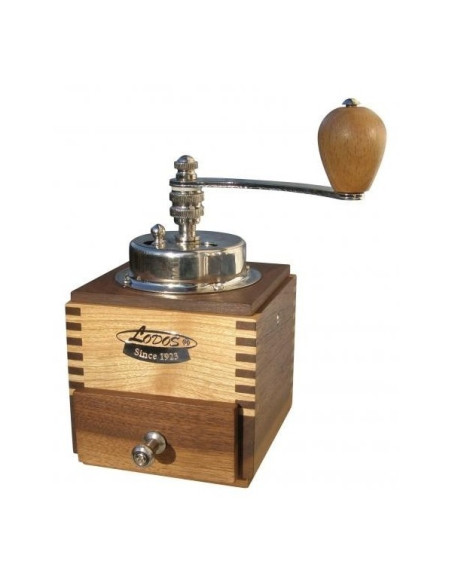
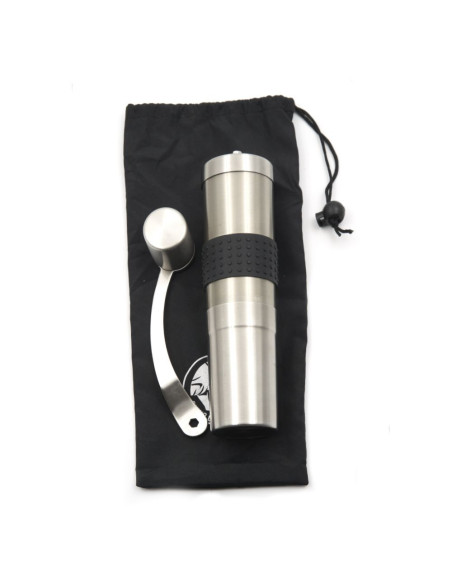
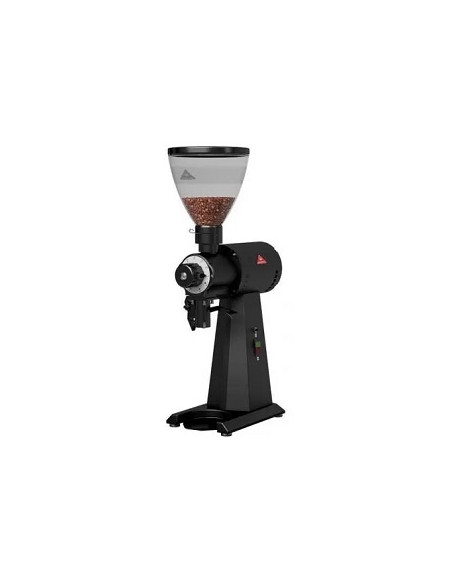
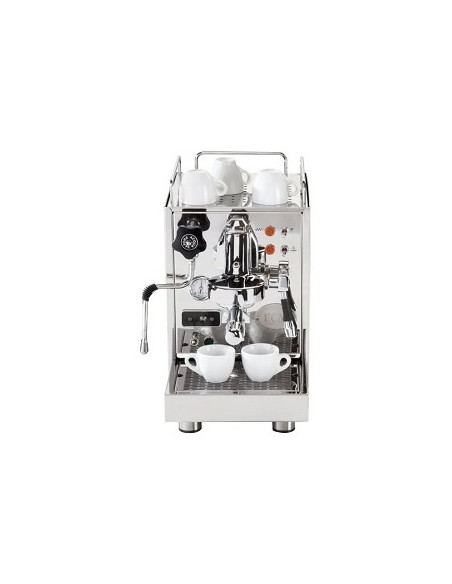
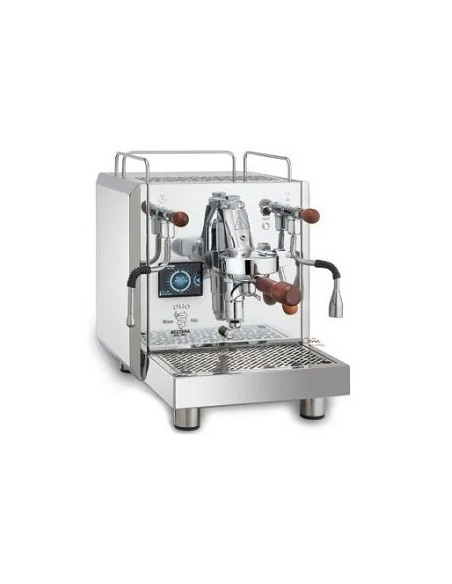
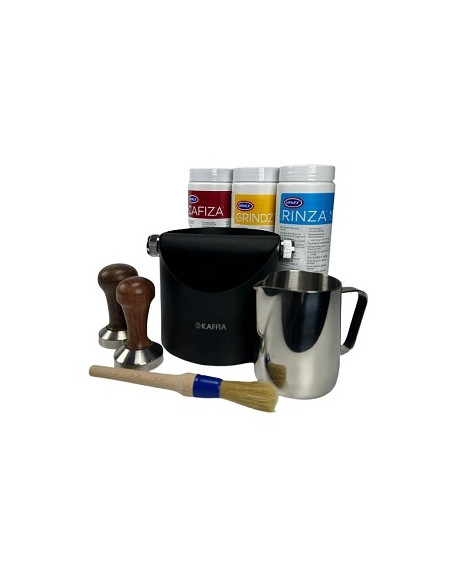
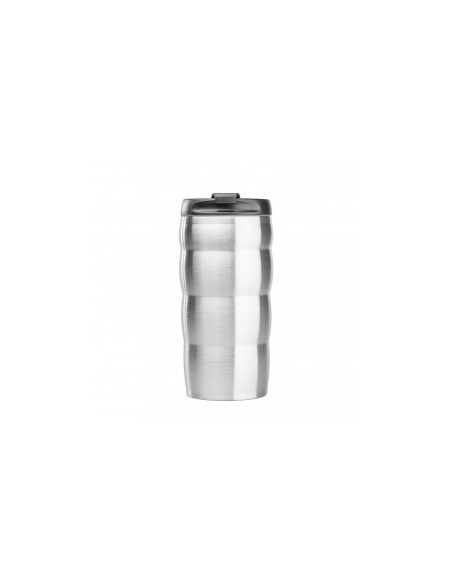
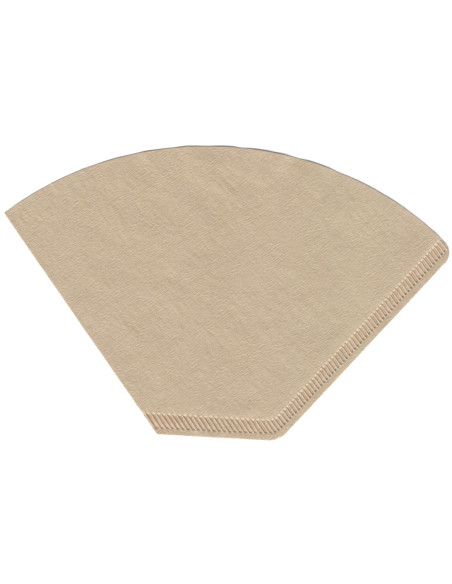
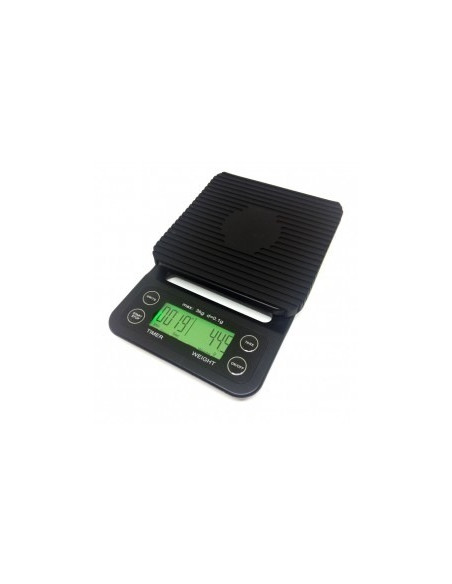
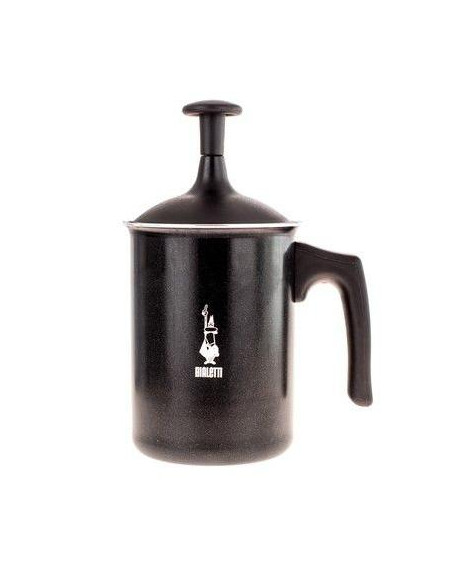
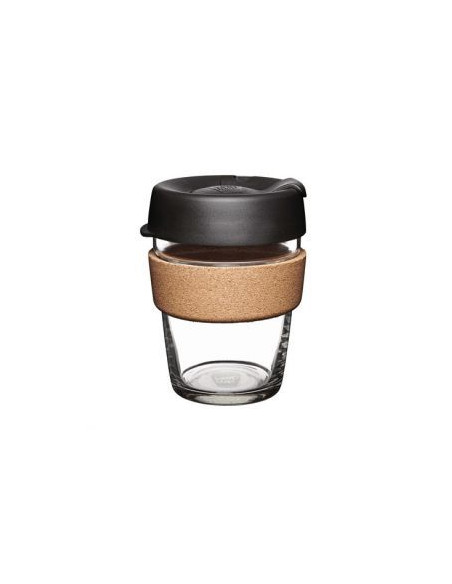
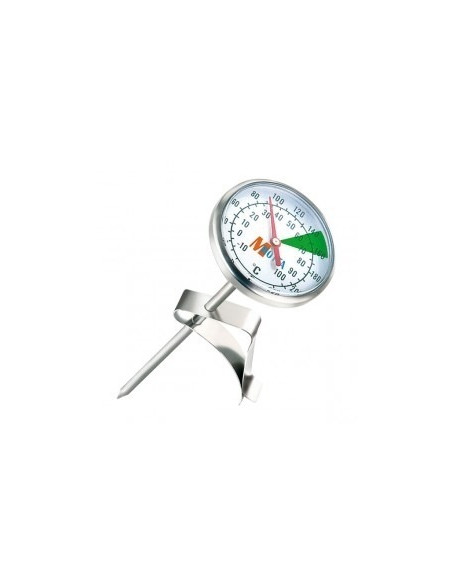
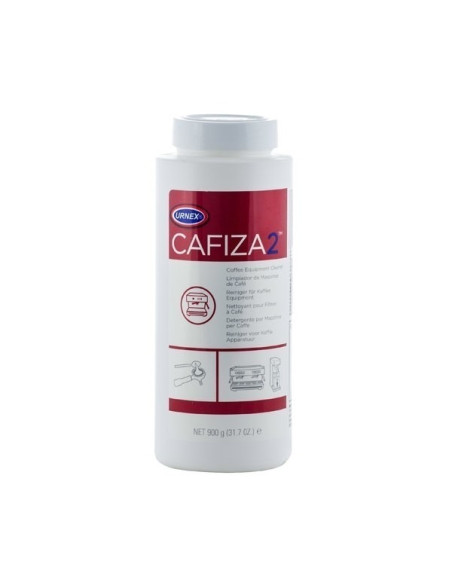
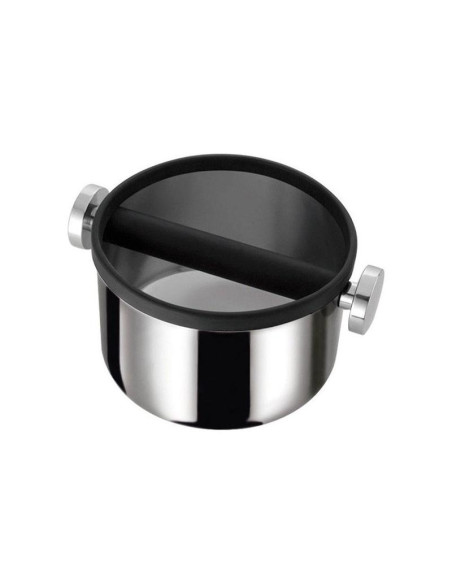
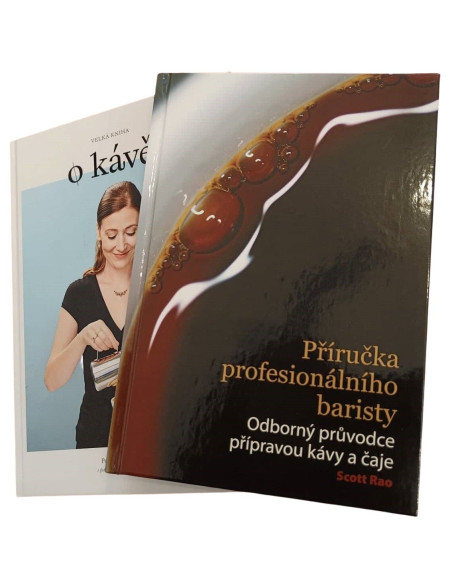
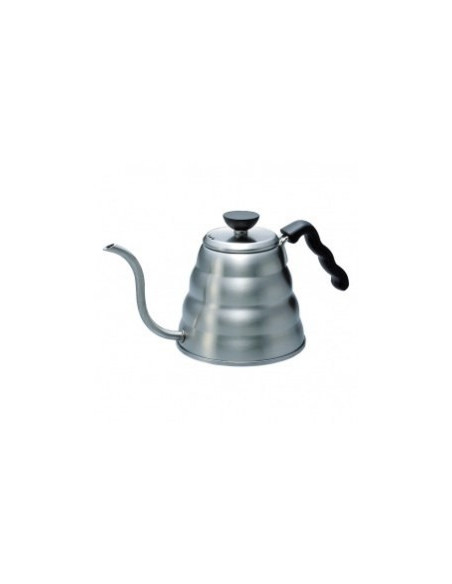
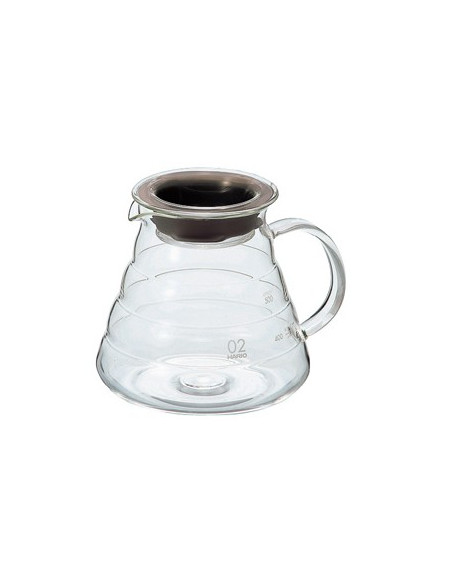
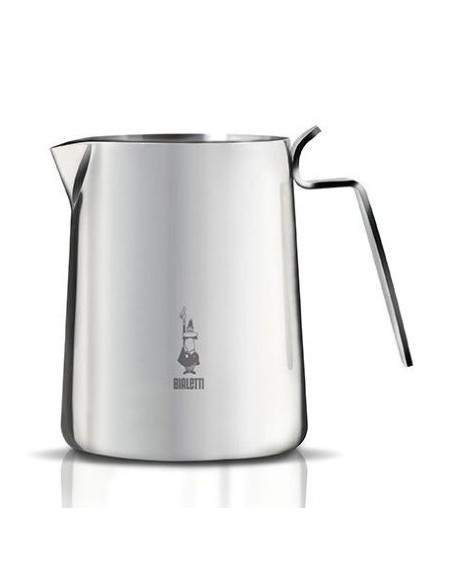
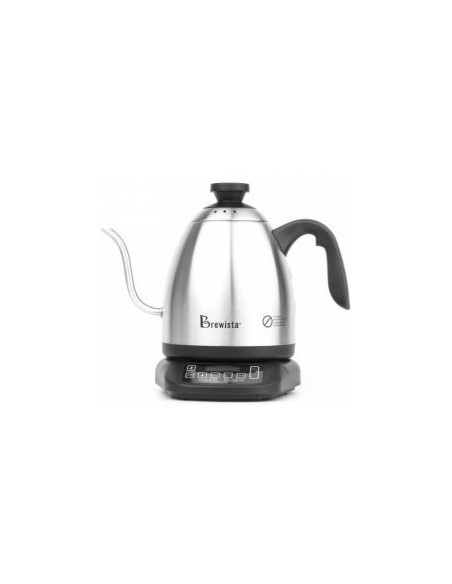
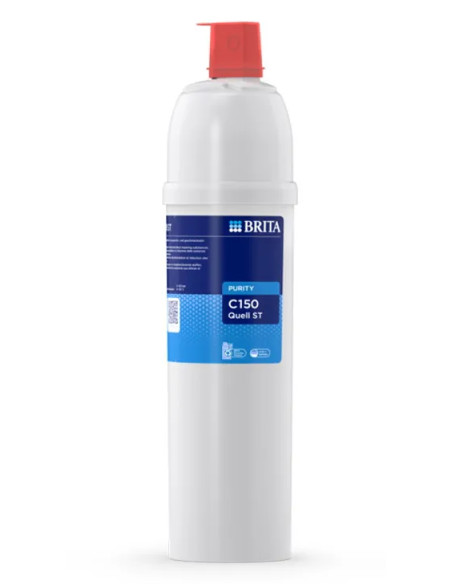
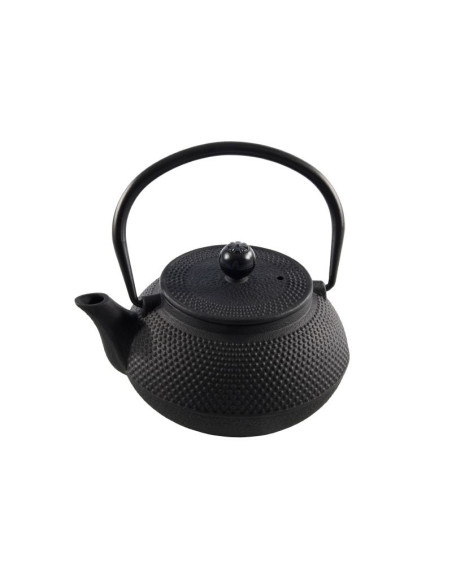
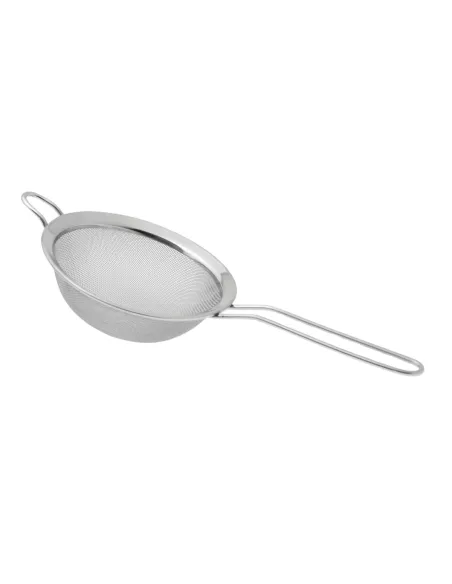
Choose a drip coffee maker, suitable coffee and accessories for brewing larger batches of filter coffee:
How is batch brew different from other filter coffee methods?
Batch brew uses the same basic principle as manual pour-over coffee: hot water passes through a bed of ground coffee and a paper filter. The main difference is automation. A good brewer controls water temperature, flow rate and water distribution, making it possible to achieve very similar results repeatedly without manual pouring.
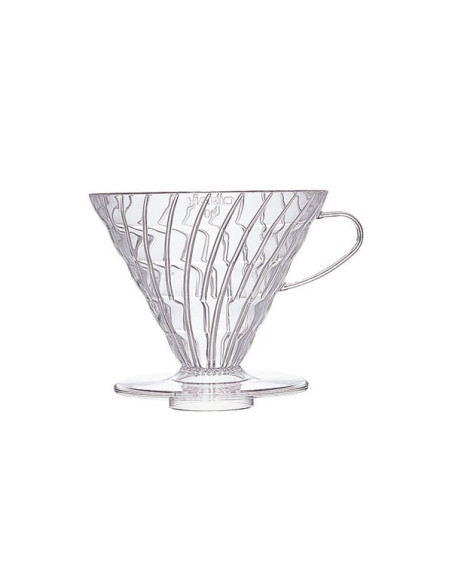
Compared with Hario V60, batch brew provides less direct control during brewing but more convenience and consistency. V60 allows the brewer to change pouring speed and technique, so the recipe can be adjusted more precisely to a particular coffee. Batch brew excels when several cups need to be prepared at once.
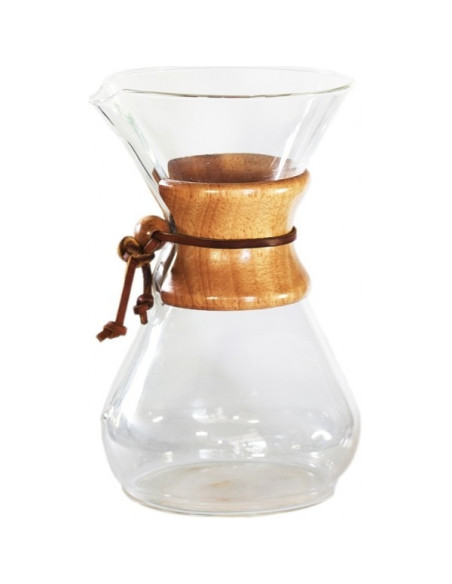
Compared with Chemex, batch brew is more practical for larger quantities and requires less manual work. Chemex uses very thick paper filters, producing an exceptionally clean and light cup. Batch brew can have slightly more body, although the exact result depends strongly on the filter and brewer used.
Batch brew compared with similar brewing methods
| Drink parameter |
Batch Brew |
Hario V60 |
Chemex |
| Input coffee dose |
Approximately 60 g per 1 litre of water |
15–18 g for one larger cup |
20–30 g depending on volume |
| Output weight / volume |
Typically 500–2000 ml |
240–300 ml |
300–500 ml |
| Brew Ratio |
Usually 1:15 to 1:17 |
Usually 1:15 to 1:17 |
Usually 1:15 to 1:17 |
| Extraction time |
About 4–6 minutes depending on dose and brewer |
About 2:30–3:30 minutes |
About 4–5 minutes |
| Consistency and body |
Clean, balanced, light to medium-bodied |
Clean, juicy, light to medium-bodied |
Very clean, soft and lighter |
| Main flavour notes |
Chocolate, caramel, fruit, nuts and florals depending on coffee |
Fruit, flowers, citrus, tea-like notes, chocolate |
Delicate fruit, flowers, honey, tea-like notes |
| Caffeine content per cup |
Approximately 80–150 mg per 250 ml depending on dose and coffee |
Approximately 80–140 mg |
Approximately 100–200 mg depending on serving size |
Frequently asked questions about batch brew
Is batch brew just ordinary drip coffee?
The principle is the same, but good modern batch brew can be very different from coffee made in a basic inexpensive drip machine. A quality brewer maintains stable water temperature, saturates the coffee evenly and allows the correct balance of water, coffee and extraction time. The result can be an exceptionally clean specialty coffee.
How should I set the grinder for batch brew?
Start with a medium grind. If the water flows through too quickly and the coffee tastes sour, weak or hollow, grind finer. If brewing takes too long and the coffee tastes bitter, dry or astringent, grind coarser. With around 60 g of coffee per 1 litre of water, a useful target is a total brewing time of approximately 4–6 minutes.
Which coffee beans are best for batch brew?
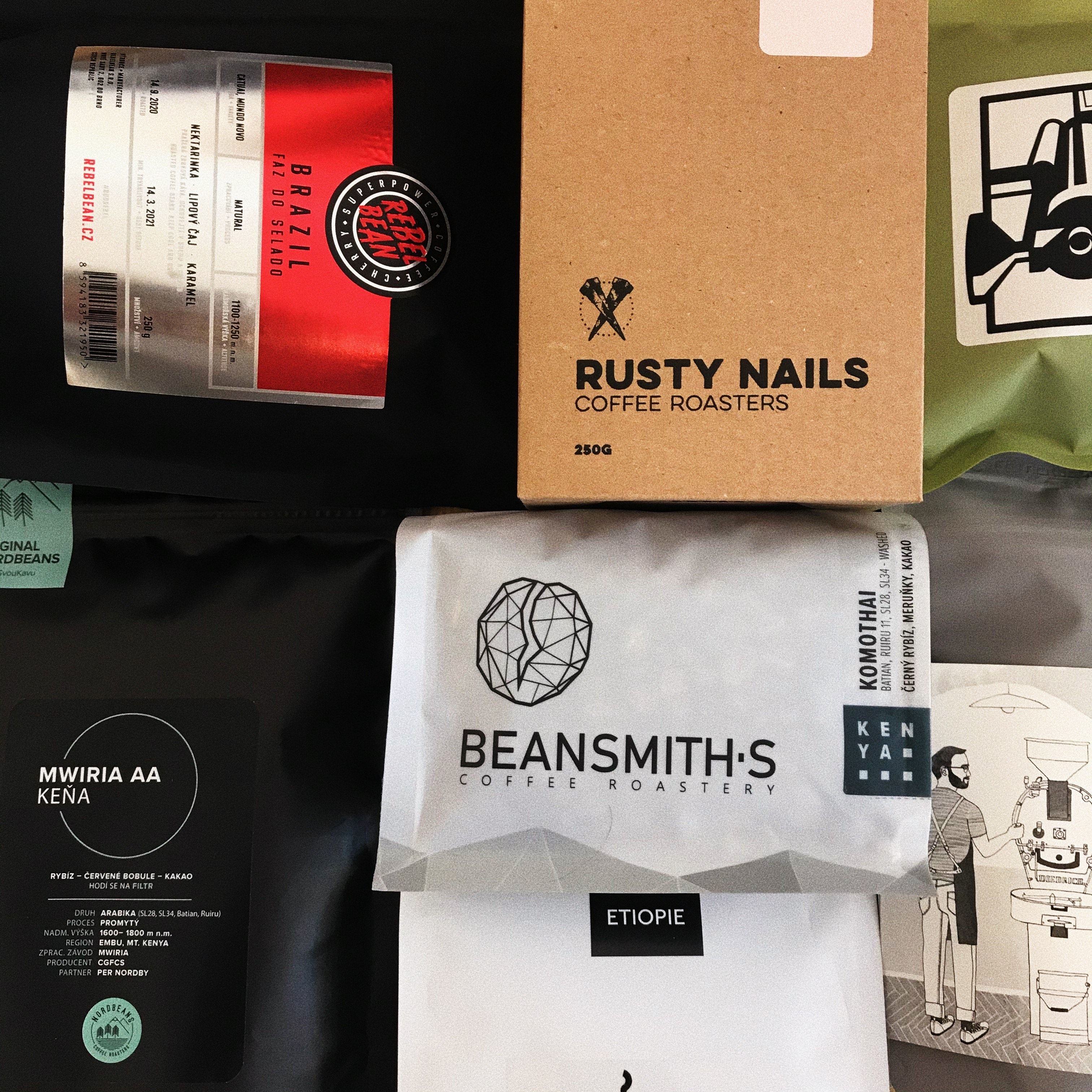
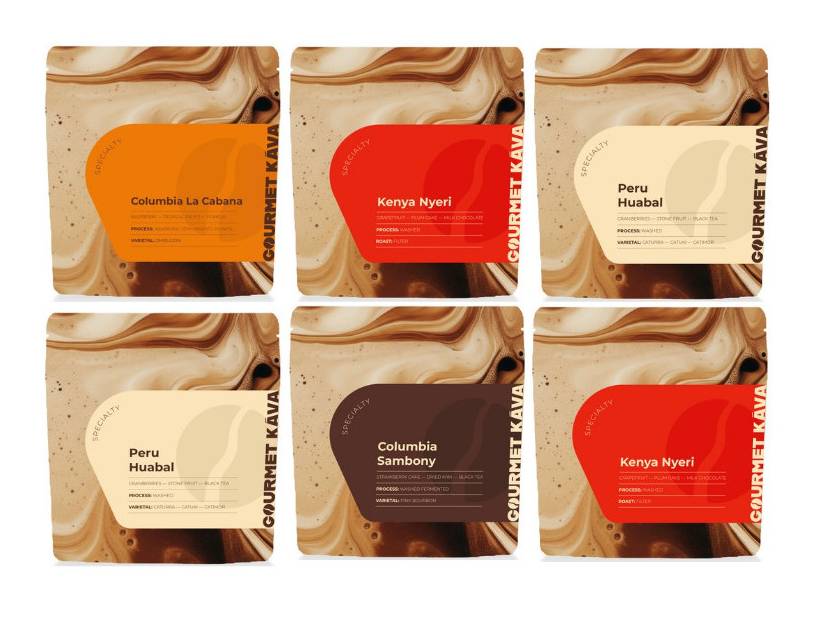
Light to medium roasted coffees intended for filter brewing work best. Coffees from Ethiopia, Kenya, Colombia or Costa Rica are excellent for a clean and fruity profile. For a sweeter and more traditional cup, choose Brazil, Guatemala or Colombia with notes of chocolate, caramel and nuts.