When choosing an espresso machine, the main things to consider are how much control you want over brewing, which coffee drinks you enjoy and your budget. A manual espresso machine lets you control grinding, dosing and extraction, while a fully automatic machine prepares coffee with minimal effort. We'll explain which technical features matter, why pump pressure figures can be misleading and how to divide your budget between the machine and grinder.
Which espresso machine should you choose? Quick recommendations
I want café-quality espresso
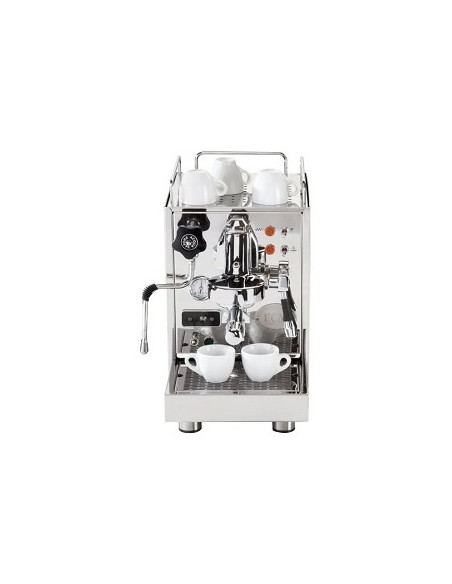
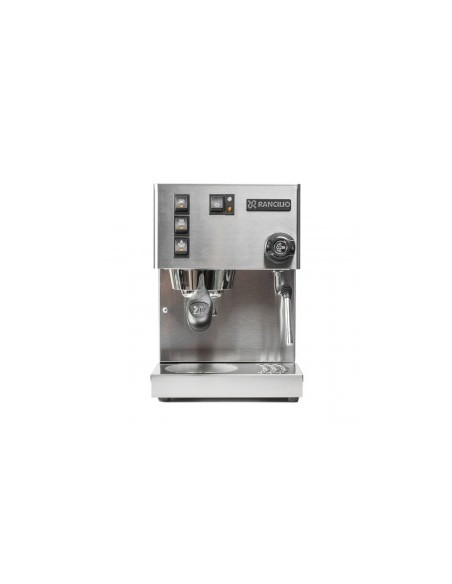
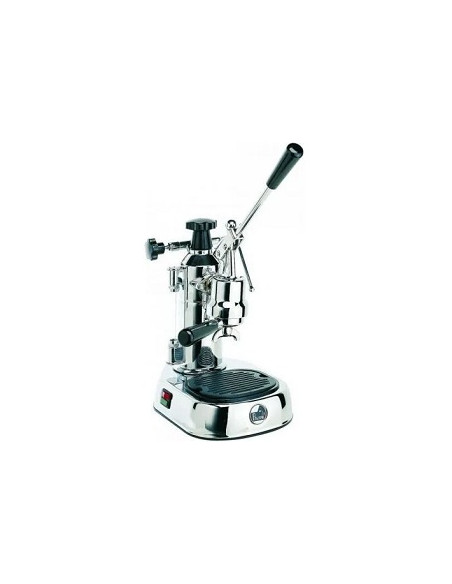
If you enjoy making coffee and want to influence its flavour, choose a portafilter espresso machine. Be prepared to learn, adjust your grinder regularly and take a more active role in brewing.
Browse portafilter espresso machines
I want coffee at the touch of a button
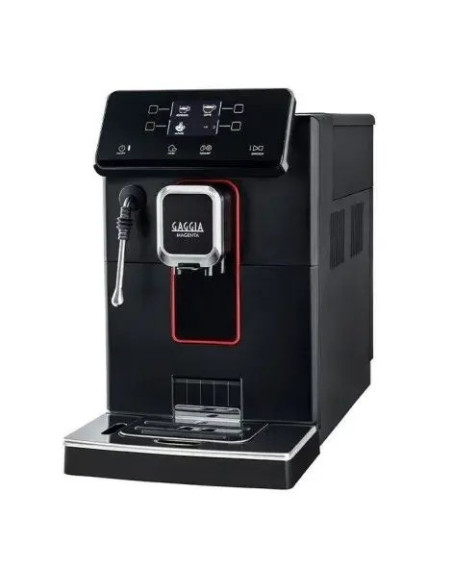
A fully automatic coffee machine grinds, doses and brews your coffee. It's ideal when speed and convenience matter more than detailed control over extraction.
Choose an automatic coffee machine
I want both espresso and cappuccino
Look for a machine with a good-quality steam wand. If you regularly prepare milk drinks, you'll also appreciate a quick changeover between espresso brewing and milk steaming.
Espresso machines with steam wands
I want advanced home espresso
For more demanding home brewing, consider temperature stability, PID control and the heating system. Heat-exchanger or dual-boiler machines can make everyday operation more convenient.
Advanced home espresso machines
How to choose an espresso machine
Before comparing power ratings, pump pressure or the number of features, consider three questions. They'll help you choose a machine that fits your daily routine.
1. How involved do you want to be in brewing?
With a portafilter machine, you prepare the coffee dose, adjust grinding and influence extraction. An automatic machine handles most of those steps. What matters is whether you enjoy the brewing process or simply want a finished drink.
2. Which drinks do you make?
If you mainly drink espresso, focus on stable temperatures and controlled extraction. For cappuccino or flat white, steam performance and convenient milk frothing matter too.
3. How much can you spend on the complete setup?
If your espresso machine has no built-in grinder, budget for one separately. A quality grinder has a major effect on espresso flavour and shouldn't be an afterthought.
Portafilter or fully automatic espresso machine?
A portafilter machine gives you more control, while an automatic machine prioritises convenience. This doesn't mean every manual machine makes better espresso. Results depend on machine quality, beans, grinding and correct settings.
A portafilter machine lets you adjust the coffee dose, grind size and beverage yield to suit individual beans. A fully automatic machine handles most of these steps, although its adjustment options are usually more limited.
Comparing espresso machine types
| Feature |
Portafilter machine |
Fully automatic machine |
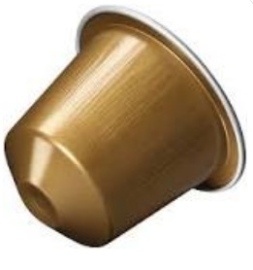
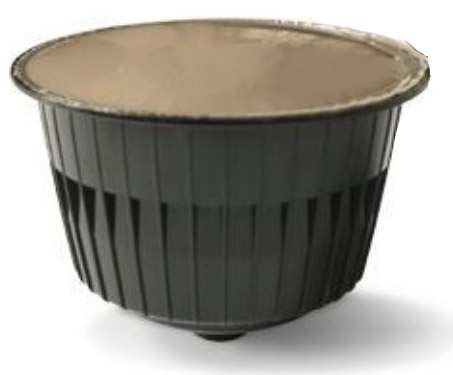
Capsule machine |
| Operation |
Manual preparation and adjustment. |
Brewing with a few button presses. |
Insert a capsule and start. |
| Control over extraction |
High with a suitable grinder and accessories. |
Limited by the model's functions. |
Usually very limited. |
| Grinding |
Separate or integrated grinder. |
Usually an integrated bean grinder. |
Pre-ground coffee in capsules. |
| Milk preparation |
Steam wand, depending on model. |
Manual or automatic milk system. |
Depends on the model and capsule system. |
| Maintenance |
Cleaning the portafilter, group head and machine. |
Cleaning programmes and care of the brewing and milk systems. |
Capsule disposal and routine cleaning. |
| Best suited to |
People interested in brewing and fine-tuning espresso. |
Convenient everyday use. |
Quick coffee without grinding beans. |
If convenience is your priority, you can also compare capsule coffee machines. But for freshly ground beans and greater control over flavour, a portafilter machine or an automatic model with a grinder makes more sense.
Which technical specifications really matter?
Product descriptions often mention 15 or 19 bars of pressure, power consumption, water tank capacity and other figures. For espresso quality, however, stable water temperature, appropriate extraction pressure and accurately ground coffee are more important.
The most important espresso machine features
| Parameter |
What it means in practice |
What to look for |
| Extraction pressure |
Espresso is commonly made at around 9 bars at the coffee puck. Higher maximum pump pressure does not automatically mean better coffee. |
Stable, controlled operating pressure rather than just a 15 or 19 bar rating. |
| Temperature stability |
Water temperature fluctuations can change espresso flavour between shots. |
Heating system design and temperature adjustment options. |
| PID control |
Electronic temperature control helps reduce fluctuations. |
Whether the machine actually has PID and what it controls. |
| Heating system |
Affects warm-up time, temperature stability and milk steaming. |
Thermoblock, single boiler, heat exchanger or dual boiler. |
| Portafilter and baskets |
The portafilter diameter and basket type affect preparation and accessory compatibility. |
51, 54 or 58 mm diameter, compatible accessories and included baskets. |
| Steam wand |
Heats and textures milk for cappuccino and flat white. |
Steam power, controls and possible automation. |
| Maintenance and servicing |
Regular cleaning and available spare parts help extend machine life. |
Service availability, cleaning programmes and spare parts. |
Is a 19-bar espresso machine better than a 15-bar one?
Not necessarily. These values generally describe the pump's maximum capability, not the actual pressure passing through the coffee during extraction. Traditional espresso is commonly brewed at around 9 bars.
What matters more for flavour is whether the machine maintains suitable, stable brewing pressure and water temperature. Don't use the maximum pump pressure as your main buying criterion.
Thermoblock, single boiler or dual boiler?
The heating system influences how quickly the machine is ready, how stable the water temperature remains and how conveniently you can prepare several cappuccinos in a row.
Comparing espresso machine heating systems
| Heating system |
Main characteristics |
Best suited to |
| Thermoblock |
Heats water as it flows through. Often starts very quickly, although temperature stability depends on the design. |
Home users who value quick preparation. |
| Single boiler |
Heats water in a reservoir. Traditional designs require switching between espresso and higher steam temperatures. |
People who mainly drink espresso and only occasionally make milk drinks. |
| HX - heat exchanger |
Allows espresso brewing and steam operation without the usual switching between temperature modes. Temperature management still matters. |
People who regularly prepare cappuccinos and several drinks. |
| Dual boiler |
Separate espresso and steam circuits offer independent temperature control and simultaneous use. |
More demanding home baristas and regular milk-drink preparation. |
Not everyone needs a dual-boiler machine. If you make one espresso each morning and rarely steam milk, a simpler model may serve you well. The extra investment mainly improves convenience and consistency under more demanding use.
Do you need a machine with a built-in grinder?
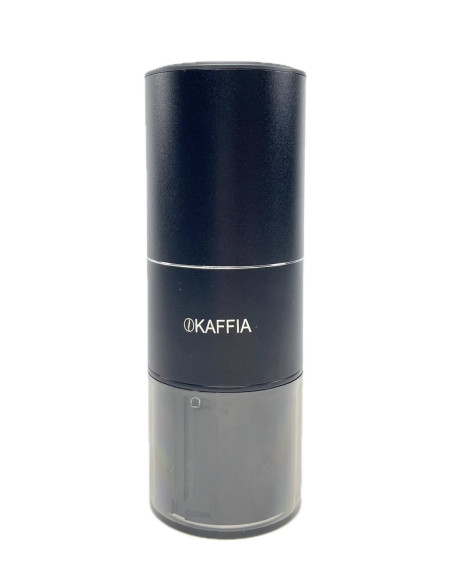
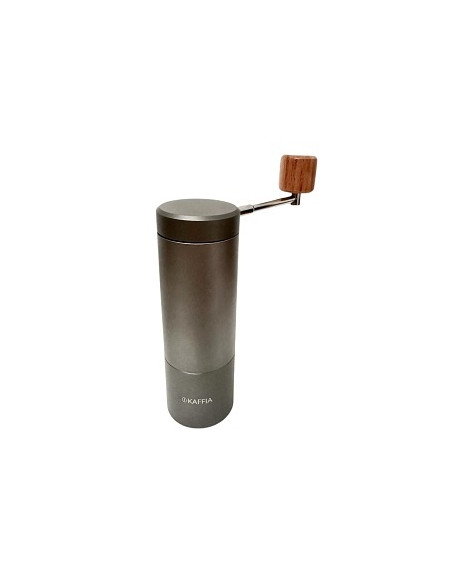
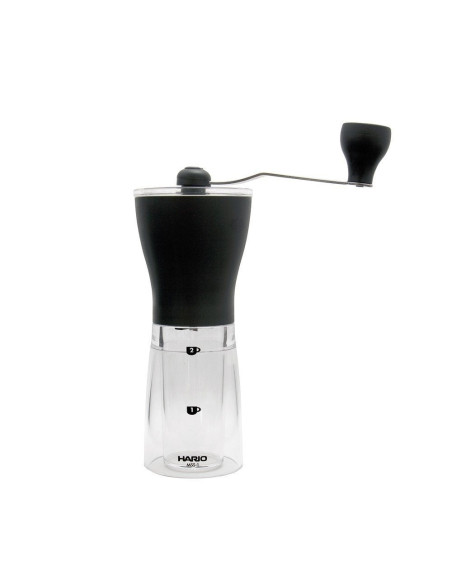
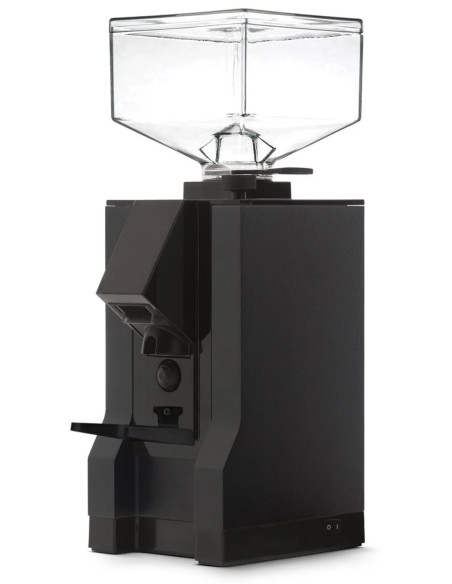
Good espresso requires a quality grinder with sufficiently precise adjustment. Grind size affects water flow and flavour extraction. Even an expensive portafilter machine cannot compensate for very inconsistent or unsuitable grinding.
A built-in grinder saves counter space and simplifies operation. A separate grinder gives you more choice of grinding mechanism and can be replaced independently when you upgrade.
Espresso machine with an integrated grinder
- Saves kitchen counter space.
- More convenient everyday operation.
- One combined unit instead of two appliances.
- Less flexibility when replacing the grinder.
Browse portafilter espresso machines
Espresso machine with a separate grinder
- More options to match the desired grind quality.
- Independent servicing or replacement.
- Greater flexibility when dialling in espresso.
- Requires additional space and budget.
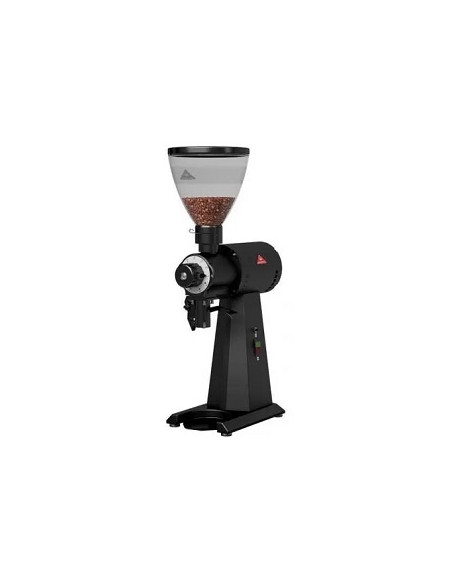
Choose an electric grinder
Learn more about grinder mechanisms and grind adjustment in our guide How to choose a coffee grinder.
Which machine is best for cappuccino and other milk drinks?
If you enjoy cappuccino, flat white or caffe latte, pay attention to the steam wand. Fine milk microfoam requires sufficient steam power and precise control.
Basic single-boiler espresso machines usually need to heat up to a higher temperature after brewing espresso. Heat-exchanger or dual-boiler machines can make preparing several milk drinks much more convenient.
Some machines offer automatic or assisted steaming. This helps beginners, while manual steam wands give experienced users greater control over milk texture.
If you make milk drinks every day
Don't judge the machine only by the espresso it produces. Also consider how quickly it switches to steam, steam power and ease of wand cleaning. You'll notice the difference particularly when making two or three cappuccinos consecutively.
Dominik recommends
Before buying, I'd ask whether you genuinely enjoy making espresso. A portafilter machine gives you more control, but flavour also depends on your experience and grind quality. If you simply want to press a button in the morning and walk away with a finished coffee, a manual machine may not be right for you.
For home espresso, I wouldn't underestimate the grinder. I'd rather invest part of the budget in quality grinding and stable extraction temperature than features I wouldn't regularly use. And if you mainly drink large mugs of coffee, I'd consider whether a good filter coffee maker might suit you better.
How much does a good espresso machine cost?
Home portafilter machines range from a few hundred to several thousand euros. Higher prices generally reflect more advanced heating, temperature stability, build quality and convenience when making multiple drinks. But an expensive machine doesn't automatically produce better espresso without a suitable grinder and correct extraction settings.
The price ranges below mainly apply to portafilter machines. For fully automatic models, also compare drink selection, milk systems, cleaning requirements and service availability.
Portafilter machines under €320
Basic home machines for your first experience with espresso. Expect simpler temperature control and less convenience. They can make good espresso, but a suitable grinder and proper settings are essential.
Portafilter machines under €320
Portafilter machines from €320 to €600
A useful range for regular home brewing. You'll find better-equipped machines, some with more precise temperature control, rapid warm-up or an integrated grinder.
Machines from €320 to €600
Portafilter machines from €600 to €1,200
For frequent espresso brewing and greater control. This range includes more advanced temperature control, sturdier construction and more convenient milk steaming.
Machines from €600 to €1,200
Portafilter machines over €1,200
Higher-end home espresso machines with more advanced extraction control, stronger construction and greater convenience. Some offer dual boilers or additional settings.
Machines over €1,200
Price ranges are approximate. Filtered results may also include accessories. Check actual features, prices and availability for each machine.
What else do you need for home espresso?
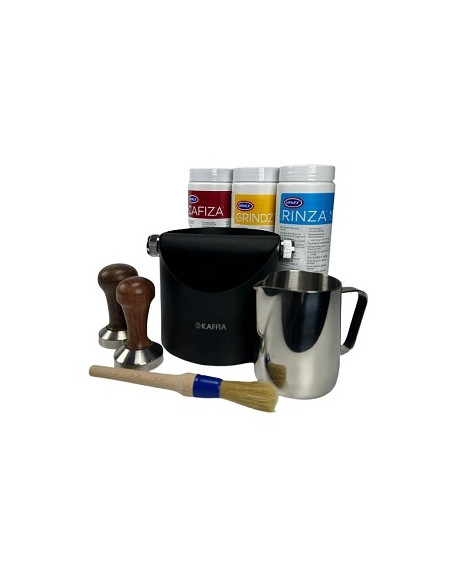
If you buy a portafilter machine without a grinder, the machine itself isn't your only purchase. Consistent espresso requires properly ground coffee, accurate dosing and even tamping in the basket.
Essential home espresso equipment
| Equipment |
Purpose |
Importance |
| Espresso grinder |
Enables very fine, precisely adjustable grinding. |
Essential for portafilter machines without a grinder. |
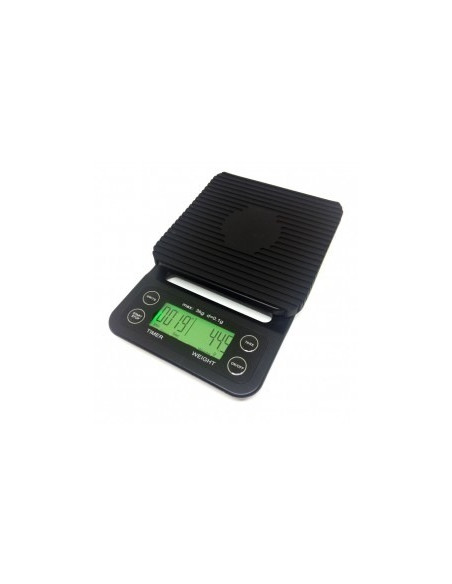
| Digital scale |
Measures the coffee dose and beverage yield. |
Very useful for repeatable results. |
| Tamper |
Compresses coffee evenly in the filter basket. |
Needed for normal brewing with non-pressurised baskets. |
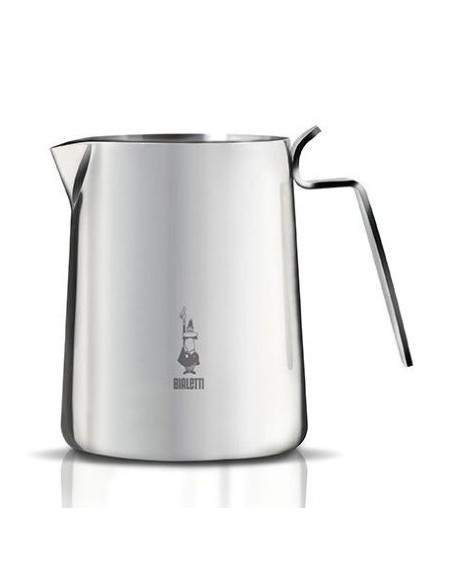
| Milk pitcher |
Helps steam and pour milk for cappuccino or latte. |
Important for milk drinks. |
| Cleaning products |
Remove coffee residues, oils and, depending on the product, limescale. |
Necessary for routine maintenance. |
You'll find most tools in our coffee machine accessories category. A digital coffee scale is especially helpful for precise dosing.
For a detailed walkthrough of brewing, dosing and extraction adjustment, see Espresso - a complete preparation guide. You can also add freshly roasted coffee suitable for espresso to your machine.
Frequently asked questions about choosing an espresso machine
Which espresso machine should a beginner choose?
It depends on how involved you want to be. If you enjoy grinding and controlling extraction, start with a basic portafilter machine and a good grinder. For quick coffee without a learning curve, a fully automatic machine may be better.
Is a portafilter or fully automatic machine better?
A portafilter machine offers more control and detailed flavour adjustment. A fully automatic machine handles most steps and is more convenient. Neither is automatically best for everyone.
Is 9 bars enough for espresso?
Yes. Traditional espresso commonly uses around 9 bars at the coffee puck. The 15 or 19 bar values on home machines often describe maximum pump pressure, not necessarily better espresso quality.
Does an espresso machine need PID control?
No, but PID can improve temperature stability and repeatability. It's particularly useful when brewing frequently and fine-tuning extraction.
Is an espresso machine with an integrated grinder worth it?
It can save space and simplify operation. A separate grinder offers more flexibility and can be replaced independently. Check whether the built-in grinder allows sufficiently fine adjustments for espresso.
Which machine should I choose for cappuccino?
Look at steam wand quality and power. A single-boiler machine may be enough for occasional cappuccino. For several milk drinks in succession, faster changeover or separate heating circuits are more convenient.
Is a more expensive machine always better?
No. Higher prices may improve temperature stability, controls and build quality. Without a suitable grinder and correct extraction, however, even an expensive machine won't guarantee good espresso.
Which machine should I choose if I mostly drink large coffees?
For americano, you can dilute espresso with hot water. If you regularly prefer large mugs of less concentrated coffee, a drip coffee maker may be more suitable, with a different flavour profile and convenient preparation of larger amounts.
Already know which espresso machine you're looking for?
Choose by brewing method and compare heating systems, grinders, PID control, milk frothing and other features.
Professional home espresso machines
For demanding users seeking advanced settings and greater brewing convenience.
Advanced espresso machines