A solid bundle is not always made of pairs that fit together at first sight. Who would have thought that espresso and tonic would get along?
Making espresso tonic coffee
- Add a few ice cubes to a glass of at least 350 ml and pour in the chilled tonic.
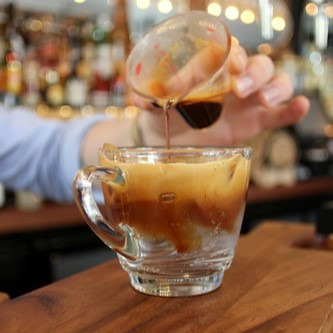
- Now make an espresso, and then carefully pour this over the tonic and ice.
- You can garnish the espresso tonic drink with a slice of lemon or lime.
Tips for you:
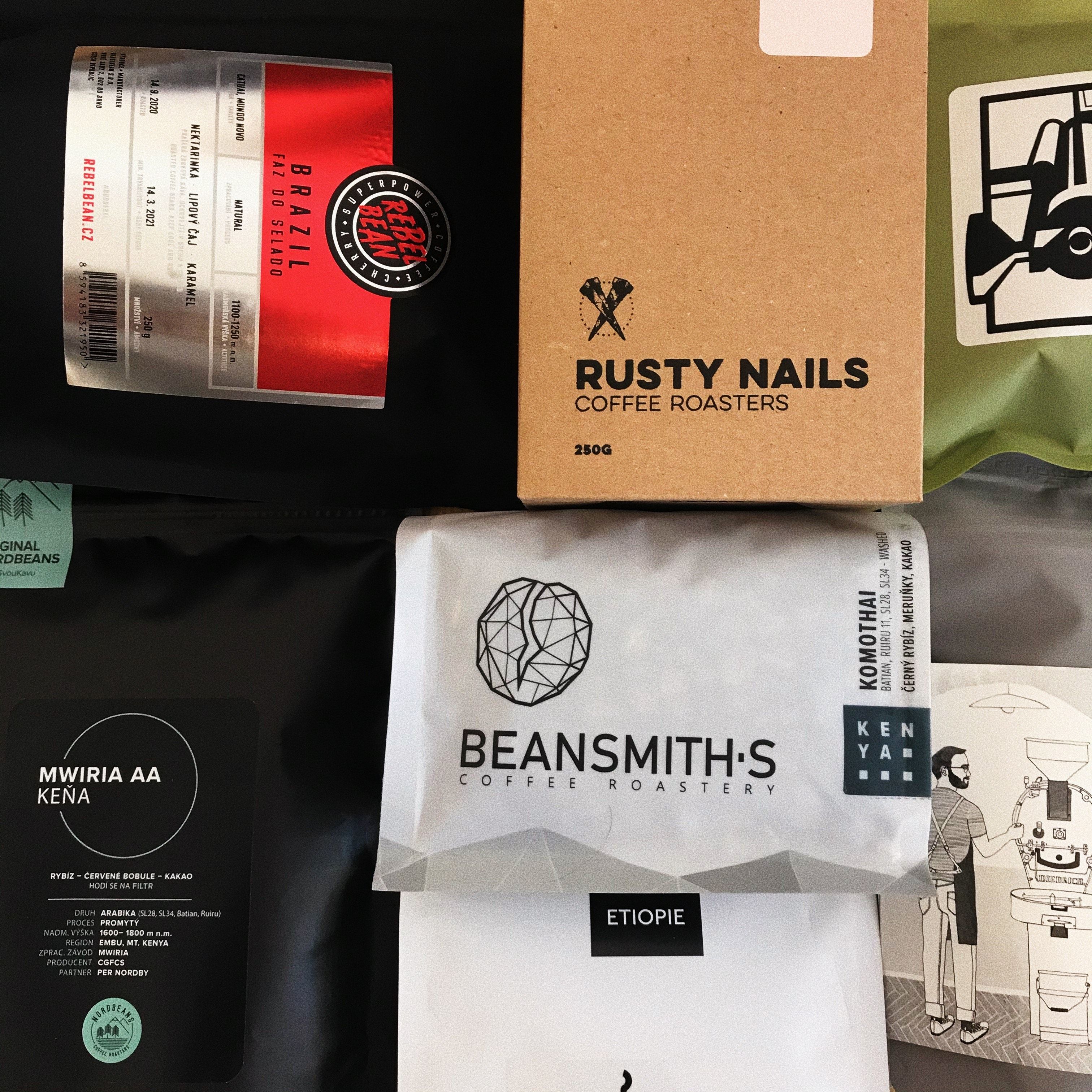
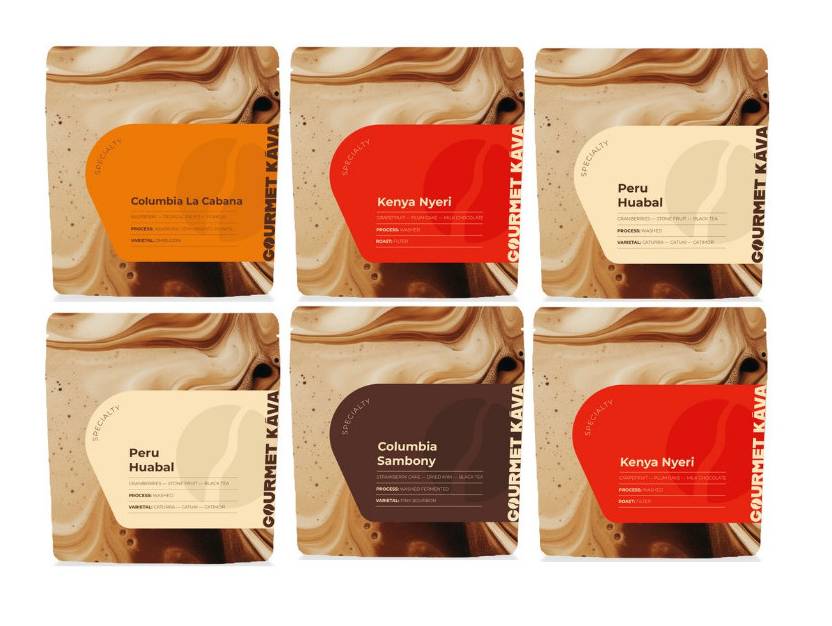
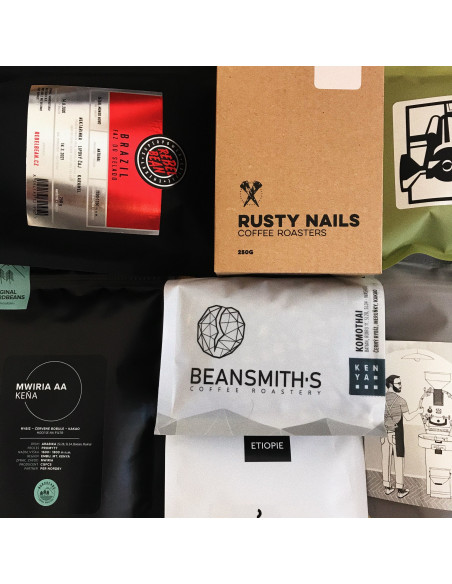
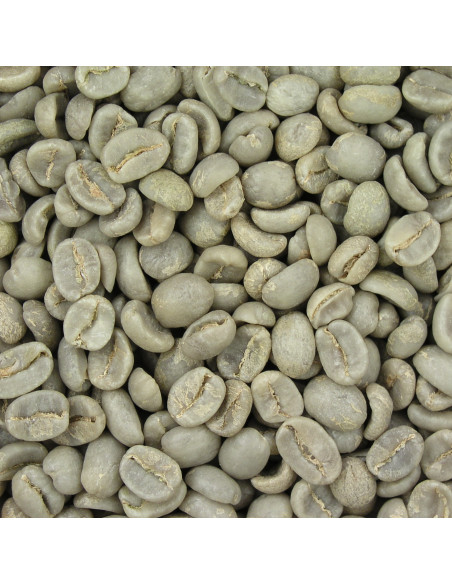
- To make espresso, use coffee with higher natural acidity, look for varieties grown in Kenya or Ethiopia.
- Someone prefers to infuse tonic coffee with cold brew not hot espresso. The hot brew will create an interesting color gradient with a fine foam on the surface. If you use cold brew coffee, expect the ingredients to mix. The drink will be tasty but without the creamy foam.
- You can read about making cold brew coffee in our other article.
It is not for nothing that they say opposites attract. A bitter tonic and a coffee with just enough acidity manage to create a surprisingly harmonious, refreshing taste that will quickly overcome any initial distrust you may have of this unconventional bundle called Espresso Tonic.
What works well for Espresso Tonic?
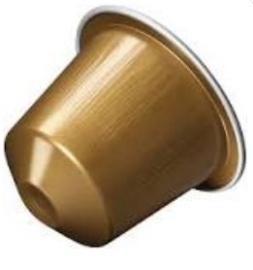
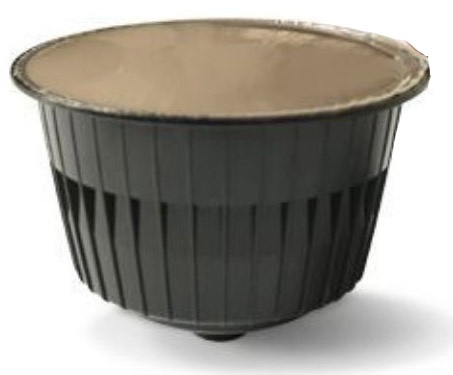
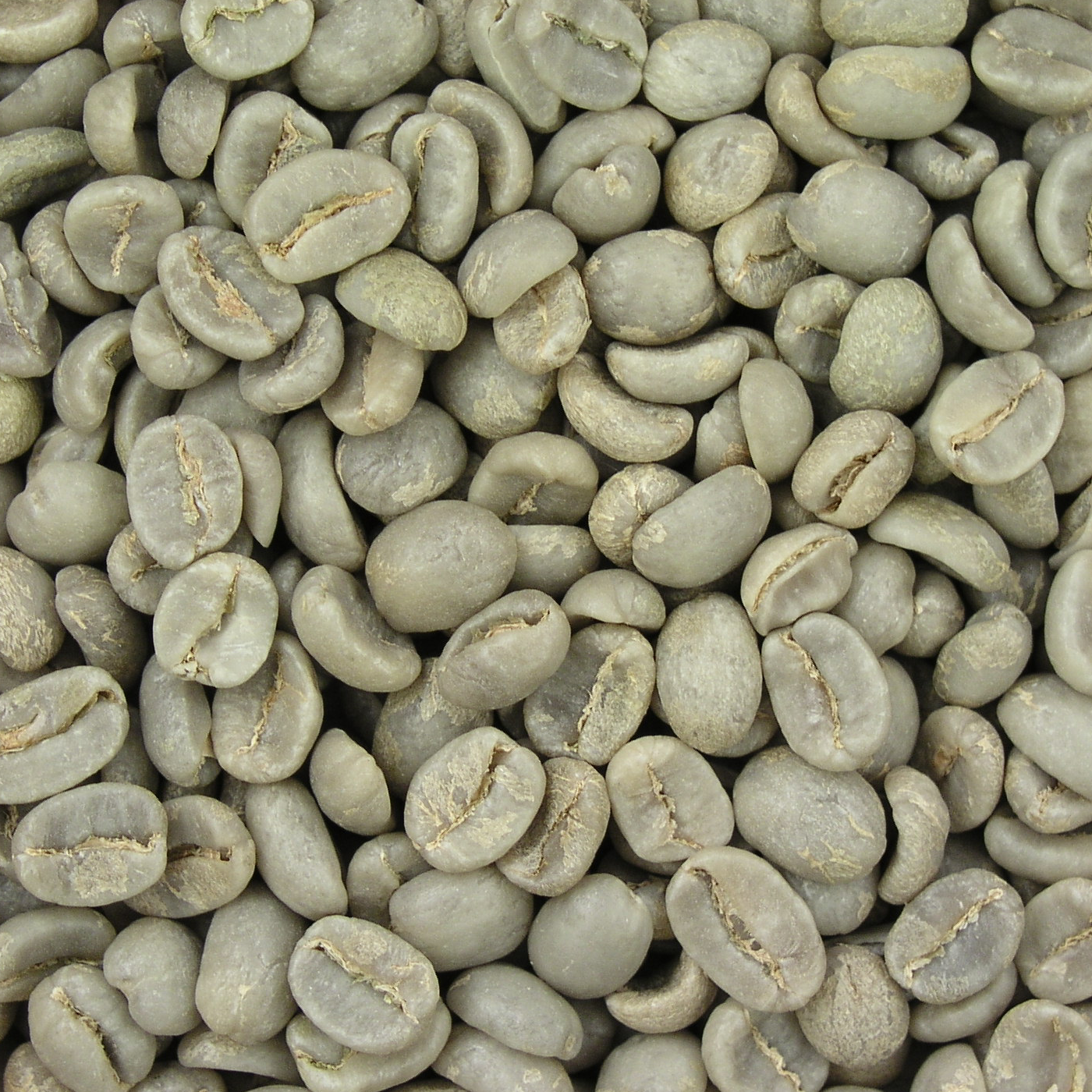
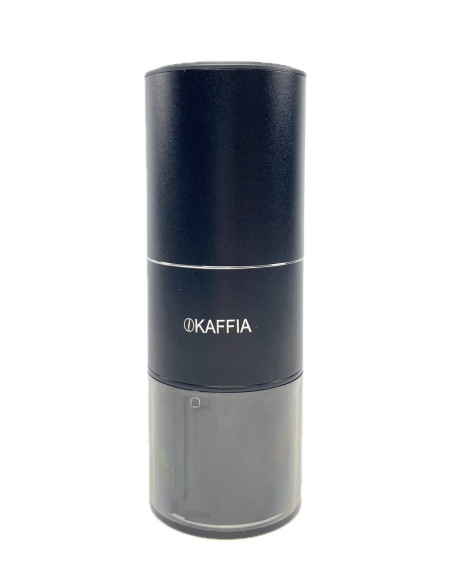
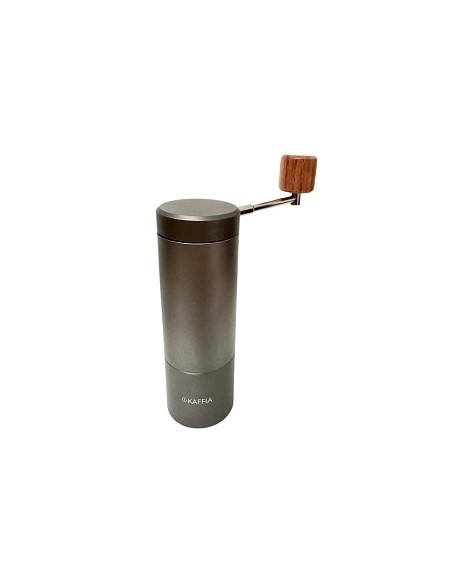
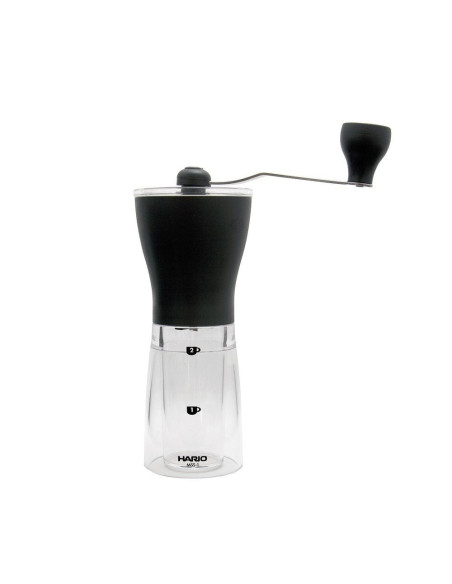
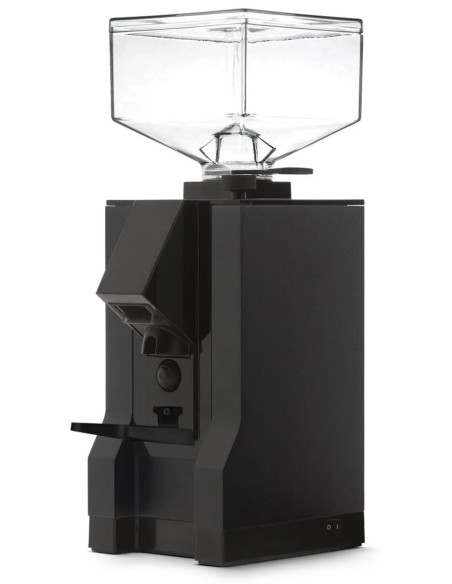
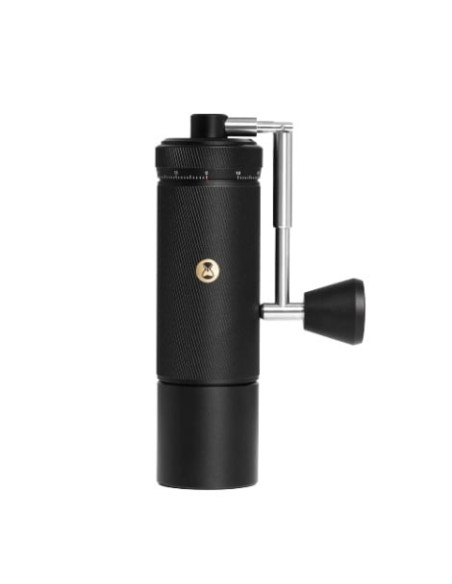
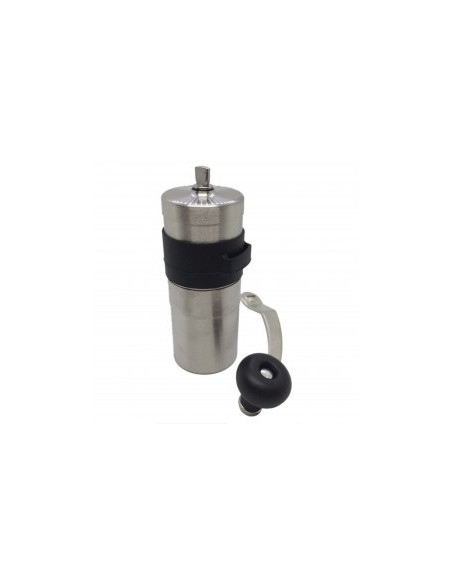
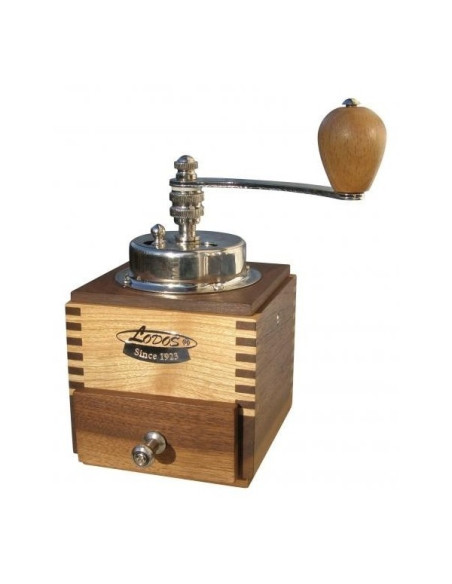
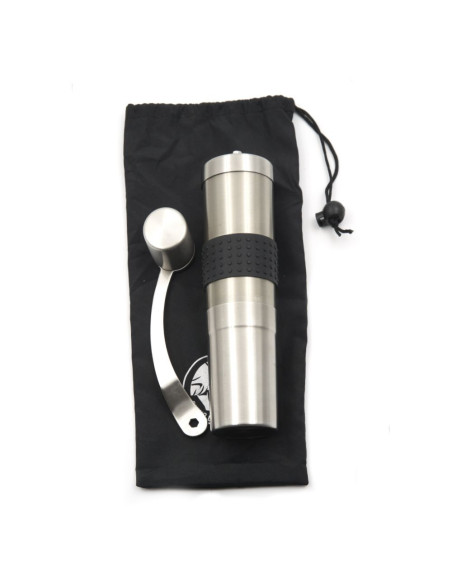
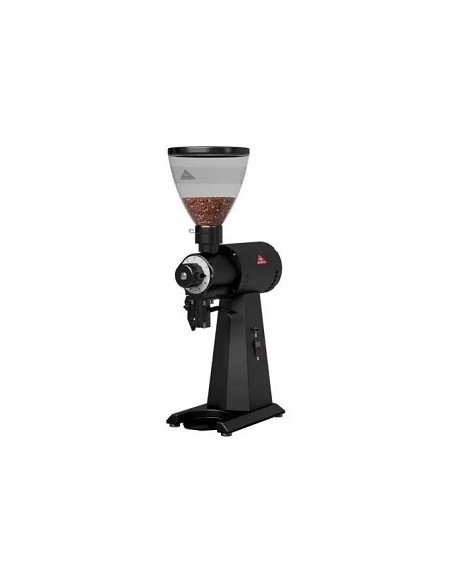
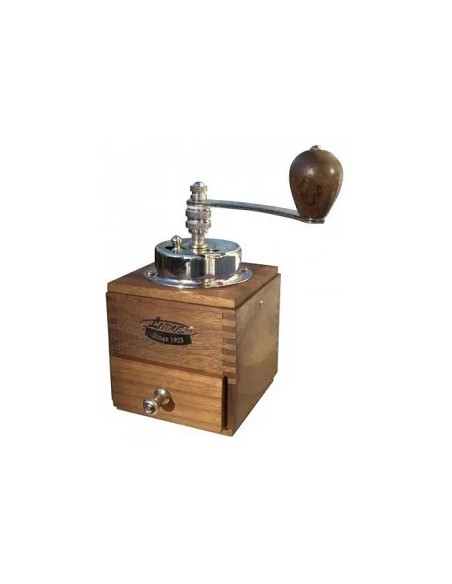
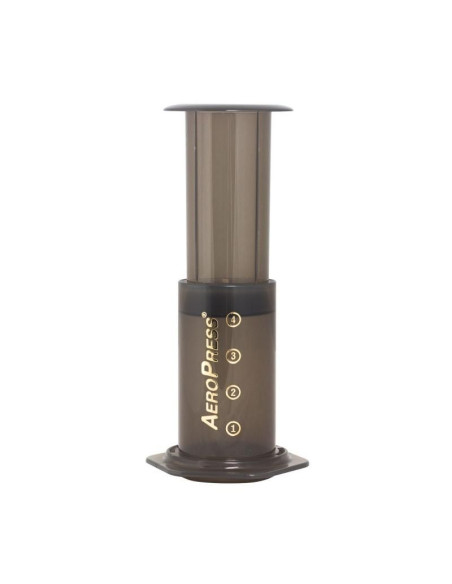
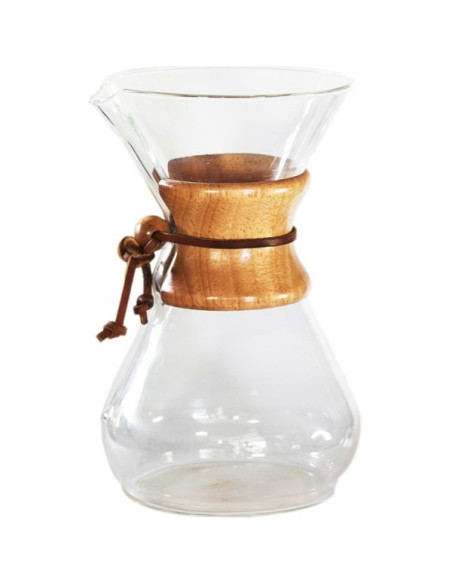
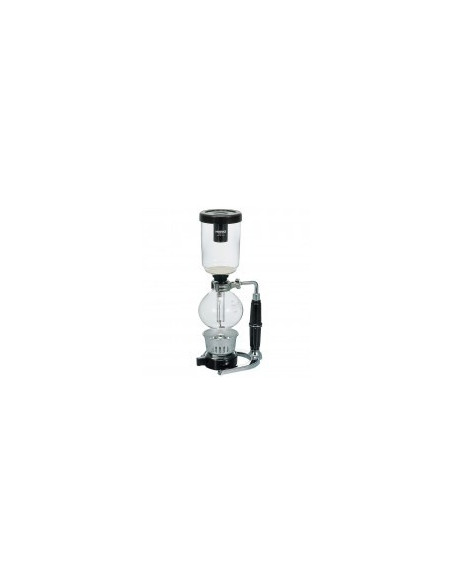
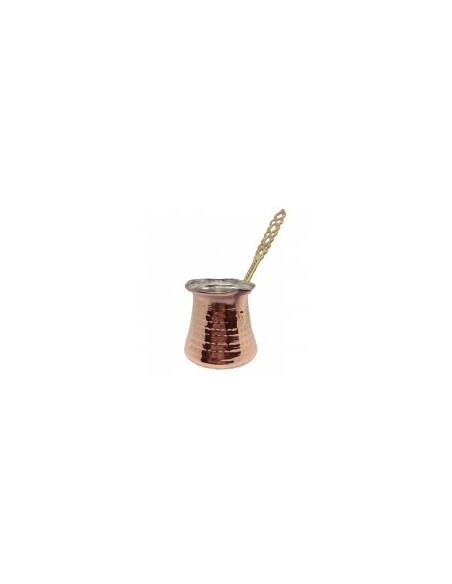
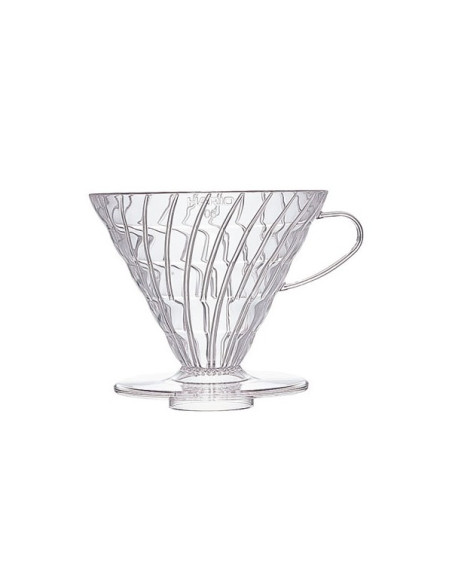
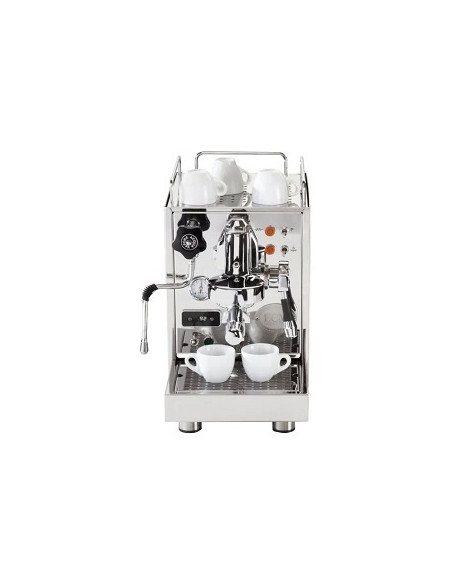
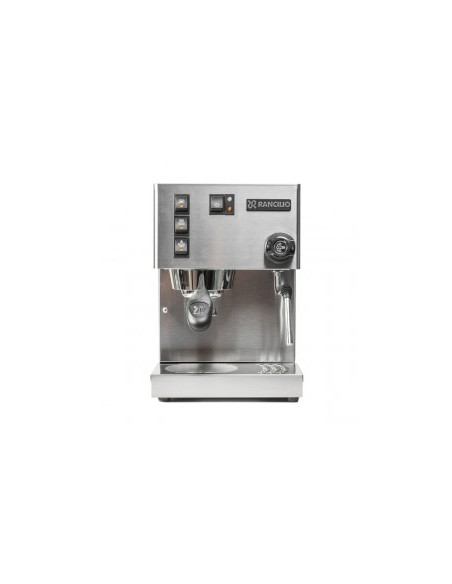
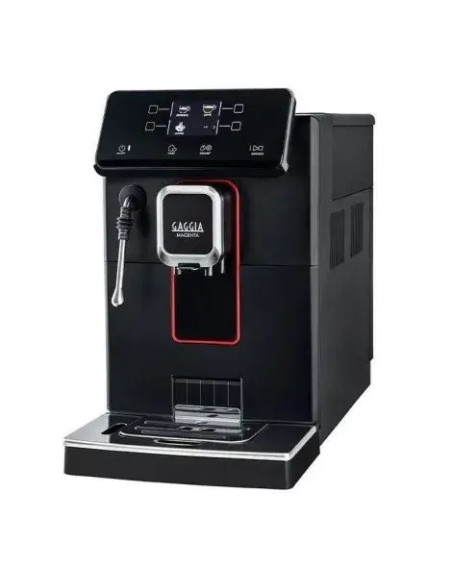
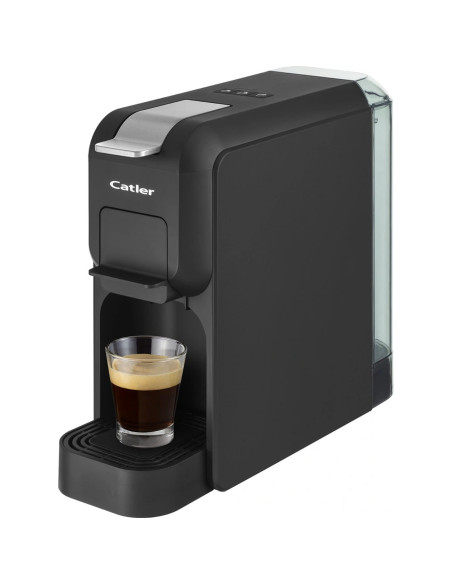
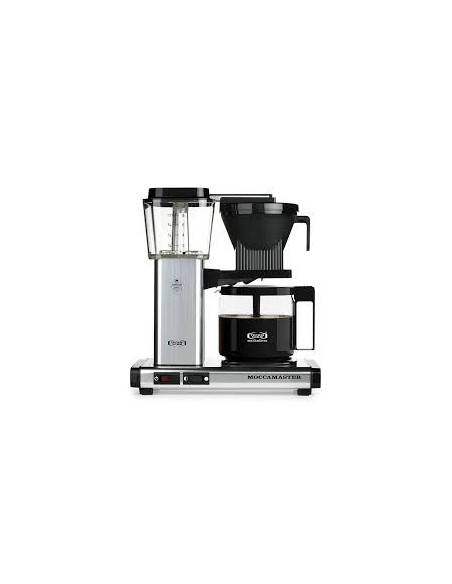
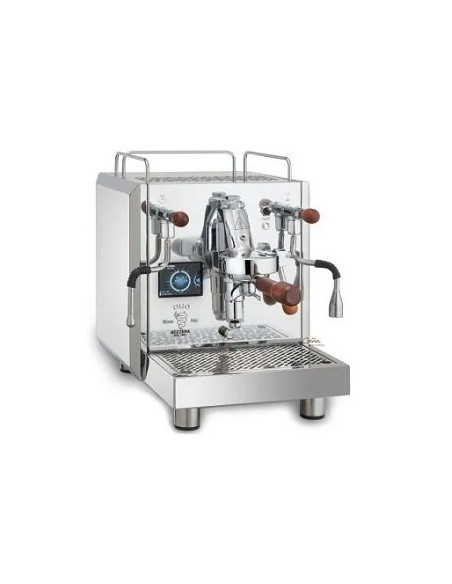
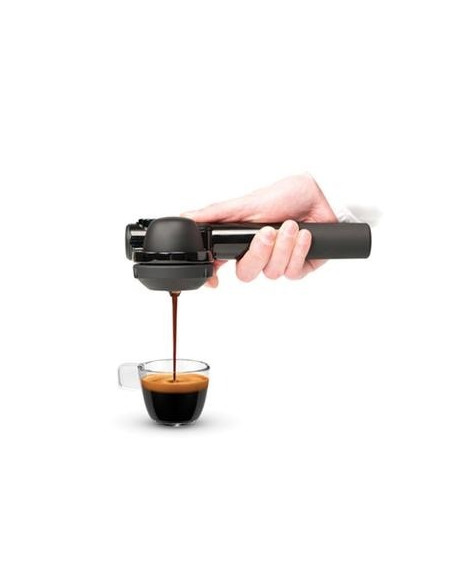
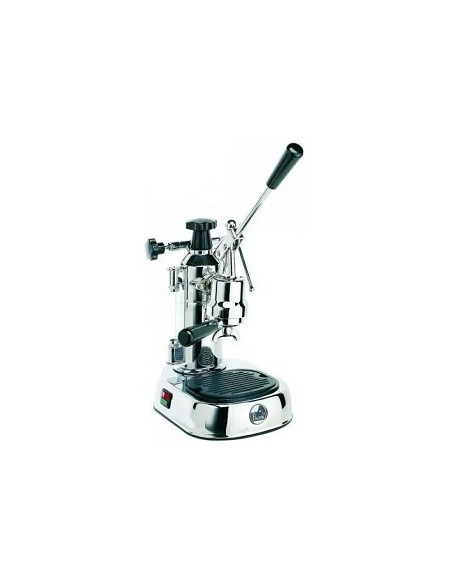
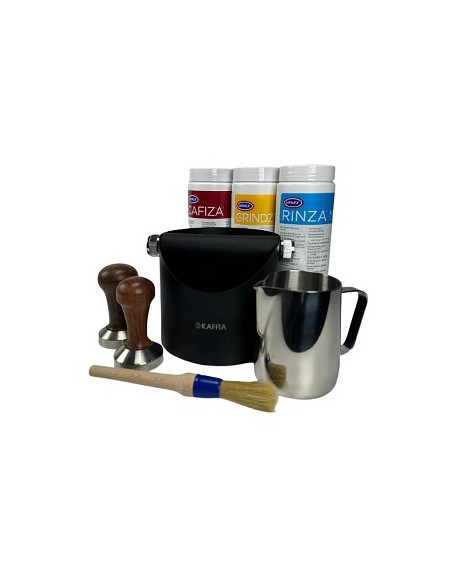
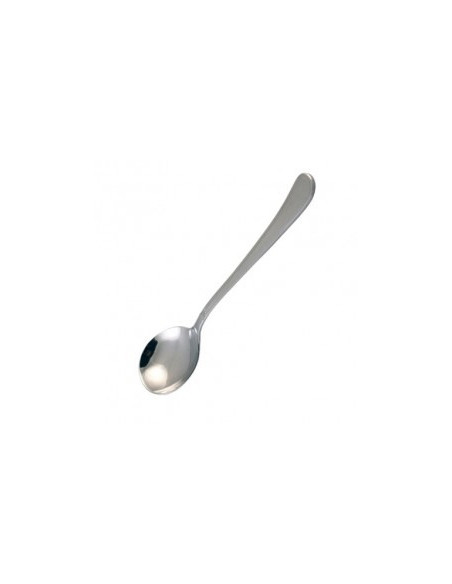
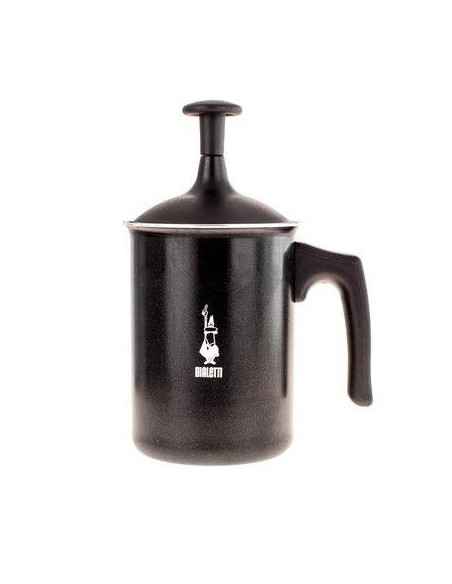
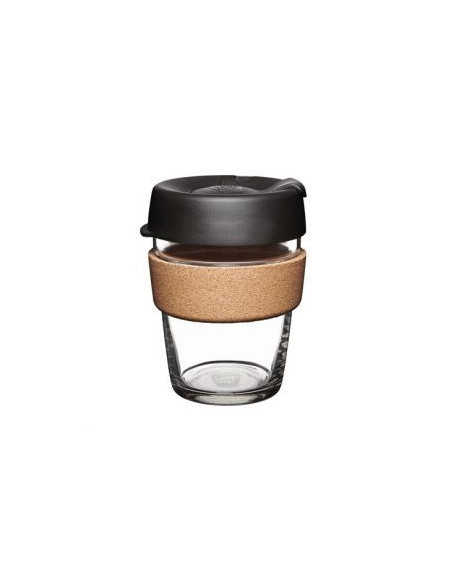
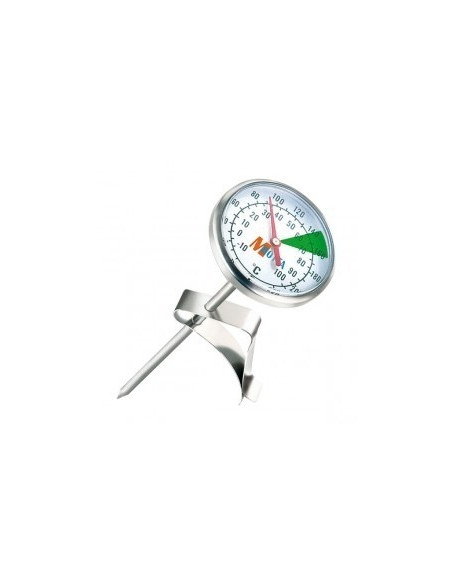
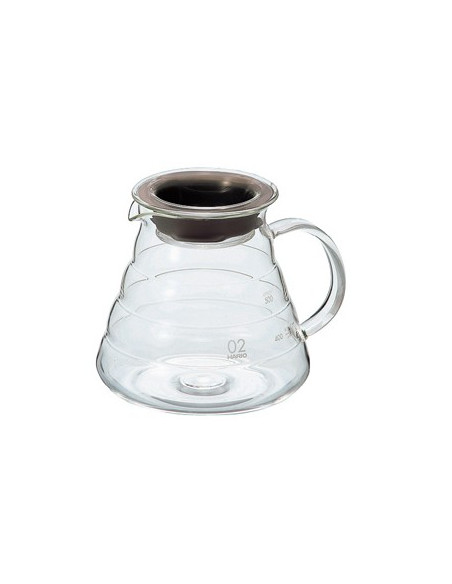
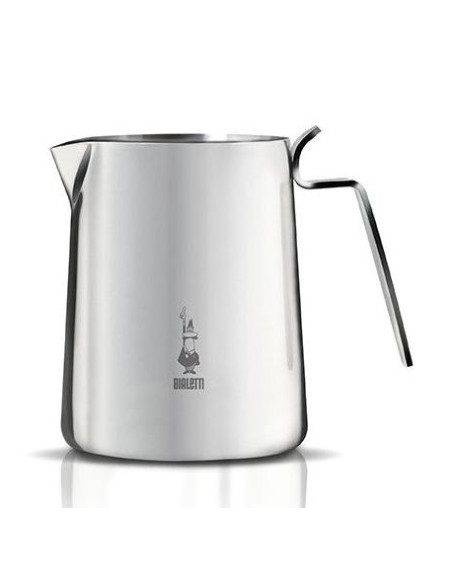
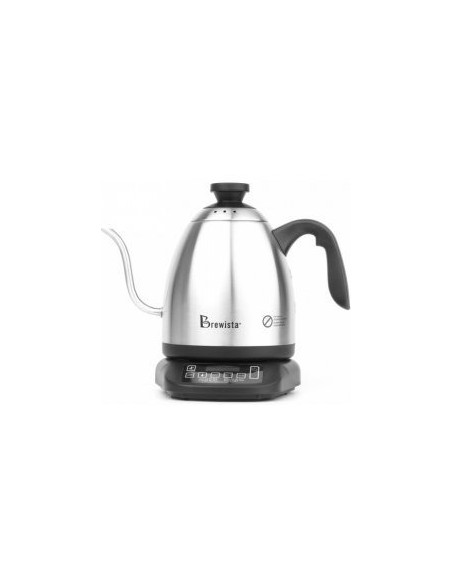
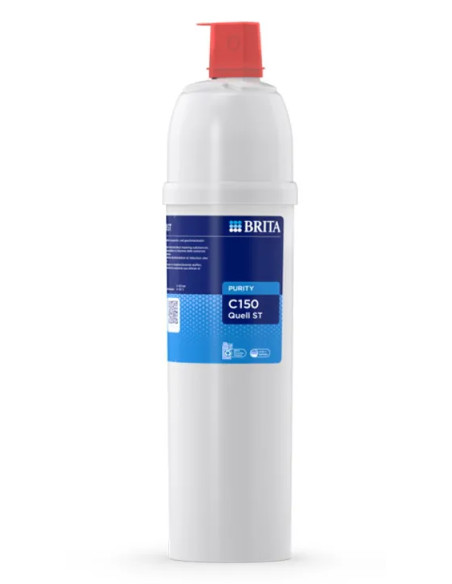
Choose suitable coffee and equipment for a bright espresso or an alternative Cold Brew version:
Quick Overview: What is an Espresso Tonic?
- Brewing Principle: Espresso Tonic is a modern and immensely popular coffee cocktail that combines the bitterness of espresso with the distinct sweet-and-sour taste of tonic water. The preparation involves filling a tall glass with ice, pouring in quality tonic water (approx. 150 ml), and then carefully pouring a fresh shot of espresso (single or double) directly onto the ice cubes. This process chills the coffee instantly, creating a striking, sharply separated dark layer on top.
- Flavor Profile: This drink offers a fascinating interplay of flavors. The sweetness and effervescence of the tonic merge with the fruity or chocolate notes of the espresso, while the quinic bitterness of the tonic complements the natural bitterness of the coffee. The result is an extremely refreshing, sparkling drink with a bright citrus acidity.
- Volume and Serving: Espresso Tonic is served in 250 to 350 ml glasses with a generous amount of ice. It is frequently garnished with a slice of lemon, lime, or a sprig of rosemary. The visual experience of the two separate layers is essential, which the customer stirs together with a straw or spoon right before drinking.
How does an Espresso Tonic differ from a Cold Brew Tonic and standard coffee sodas?
The combination of coffee and carbonated soft drinks comes in several variations, which differ fundamentally in the character of the coffee element used and the texture.
Espresso Tonic vs. Cold Brew Tonic: The main difference lies in the temperature and character of the coffee base. Espresso is brewed hot under pressure, releasing intense oils and distinct acidity from the coffee beans. Upon contact with ice and tonic, the coffee crema reacts with a sharp fizz, creating a dense texture at the layer boundary. Cold Brew Tonic utilizes coffee steeped cold, which is naturally sweeter, less acidic, and completely foam-free. The resulting Cold Brew Tonic is smoother in flavor, gentler, and the layers blend a bit more slowly.
Espresso Tonic vs. Coffee Sodas: Standard commercial coffee sodas are typically built on coffee syrup, water, sugar, and citric acid. Espresso Tonic, conversely, is a purely artisanal beverage built on the contrast between freshly extracted specialty coffee and premium tonic water, without any added artificial syrups or flavorings.
| Drink Parameter |
Espresso Tonic |
Cold Brew Tonic |
Commercial Coffee Soda |
| Coffee Component |
Fresh hot espresso (Single / Double) |
Cold Brew (cold-steeped concentrate) |
Coffee extract or coffee-flavored syrup |
| Brewing Temperature |
Hot coffee shock-chilled over ice |
Completely cold process |
Chilled from a bottle / can |
| Visual Effect (Layering) |
Distinct, sharp transition, rich fizzy foam |
Smooth gradient, clean drink without foam |
None (homogeneous mixed liquid) |
| Flavor Character |
Dynamic, sparkling, citrusy, with vibrant acidity |
Smooth, chocolatey-fruity, less acidic, mellow |
Very sweet, unified, with suppressed coffee flavor |
| Recommended Coffee |
Lightly roasted Arabica (e.g., Ethiopia, Kenya) |
Single-origin coffees with a fruity profile |
Unspecified (Robusta and Arabica blends) |
| Brewing Time |
3 minutes |
12–24 hours (steeping) + 1 minute serving |
Ready to open instantly |
WHEN ESPRESSO AND TONIC SAY "YES"
Their relationship is relatively young when you consider how old the couple were when they got married. According to sources, Tonic and Espresso first bonded at Koppi Roasters' cafe in Helsingborg, Sweden. They were introduced by the founder of the café, Anne Lunell. She and her partner Charles Nystrand first tasted tonic and coffee when a friend prepared this rather unusual combination for them as a "brew" after a party. They found the drink refreshing and interesting. So they decided to offer it in their café. It was 2007 and the espresso and tonic bundle was officially sealed.
Although Anne and Charles' cafe has been out of business for a few years now, their drink has managed to expand in the meantime and gain many fans around the world. If you want to join them, no problem. Espresso Tonic is easy to make at home.
Frequently Asked Questions about Espresso Tonic Preparation
1. Why do my layers mix instantly instead of forming a beautiful visual separation?
The key to perfect layering comes down to physics and correct pouring technique. The glass must be filled with ice all the way to the top. When you pour the espresso directly onto an ice cube (or very slowly over a bar spoon), the coffee loses its kinetic energy, cools down, and due to differences in density and temperature, floats on top of the tonic water. If you pour the espresso violently straight into the liquid, the two components mix immediately. It also helps to let the espresso sit in a small pitcher for a few seconds before pouring.
2. The drink fizzed up crazily when I poured the espresso and overflowed the glass. How can I fix this?
This volatile reaction is caused by the release of carbon dioxide ($CO_2$) trapped within the crema of fresh espresso. When hot, acidic coffee hits ice-cold, carbonated tonic water, it triggers a rapid release of bubbles. To prevent overflowing, use a large enough glass, pour the tonic along the side of the glass so it doesn't lose too much carbonation beforehand, and add the espresso very slowly and steadily. It is also ideal to use coffee that wasn't roasted just a few days ago, as extremely fresh coffee contains the highest amount of CO2.
3. Which tonic water and what type of coffee work best together?
Generally, you will achieve the best results with bright, fruity coffees (typically African Arabicas processed using the washed method), which harmonize beautifully with the citrusy notes of tonic. If you prefer a less acidic drink, choose a Latin American coffee with chocolate and nutty notes. As for the tonic, avoid cheap varieties with artificial sweeteners. Select a high-quality premium tonic (e.g., Thomas Henry, Fever-Tree, or Fentimans). "Light" or "Mediterranean" versions work wonderfully, as they are not aggressively sweet and allow the coffee flavor to shine.















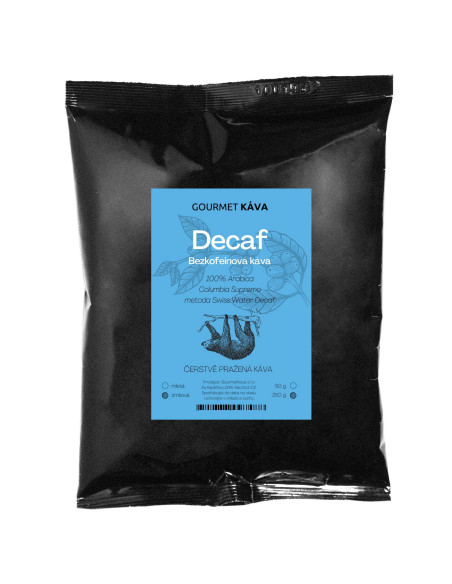





















 Choose a quality