The fact that coffee encourages creative thinking is evidenced by the many types of coffee drinks available in cafes around the world today. Each of them has its own story, its own person, its own idea...
What is the story of the ristretto?
We know it to be one of the younger ones among coffee drinks. The ristretto boom came in the 1980s. And perhaps it has something to do with the way times in general started to speed up. Who wouldn't want a coffee that is both quickly made and quickly drunk?
As for the man who linked his name to ristretto, David Schomer is most often mentioned. At the time, he owned a coffee shop called Espresso Vivace in Seattle, USA. As he and his favourite claimed, coffee should be thick as honey and fit in a single sip.
He could only achieve this by modifying the classic espresso. So the ristretto retains the original coffee dose, but the water is gone. And, paradoxically, caffeine.
Where did the caffeine in the ristretto go?
Most people believe that if a batch of coffee is used in less water, the resulting drink must inevitably contain more caffeine. After all, it is more concentrated! And it will taste like it too. But the coffee ristretto's rich flavour comes mainly from the higher concentration of essential oils.
The caffeine content is lower compared to espresso. The amount depends on the grinding method and the type of coffee, but due to the faster preparation, the caffeine simply does not have time to be released in adequate quantities into the resulting coffee.
Ristretto won't forgive you
...at least when it comes to coffee selection. Because of the way it's prepared, there's absolutely no chance that you could mask any flaws in aroma or flavor.
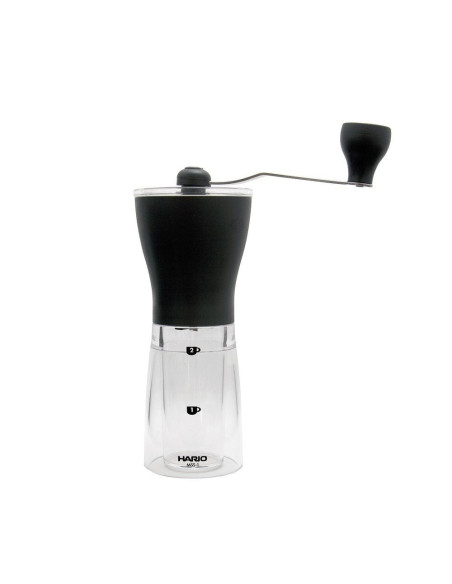
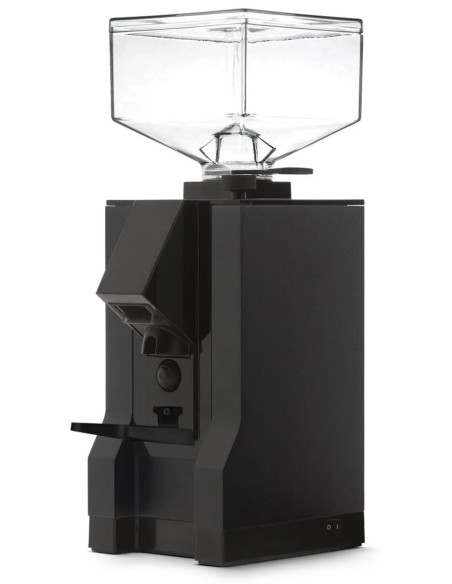
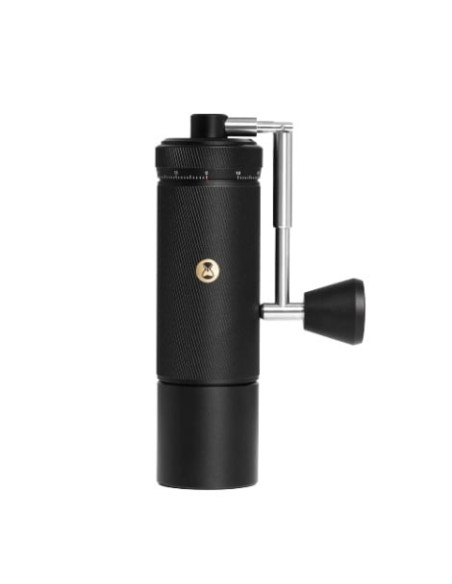
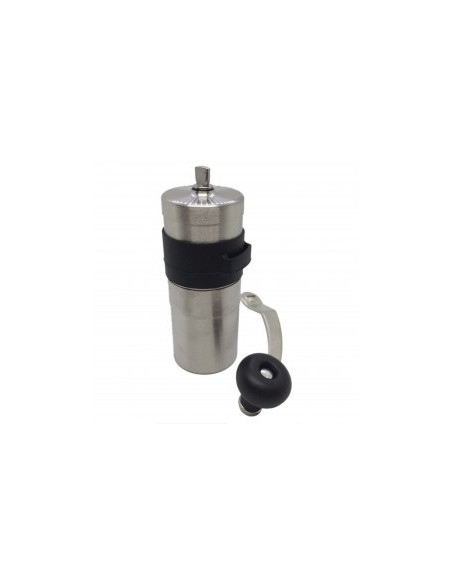
As for grinding coarseness, experts say coffee should be finer ground.
Ideally, you should not use chlorinated water for brewing, as it will significantly interfere with the taste of the resulting beverage.
Quick Overview: What is a Ristretto?
- Brewing Principle: Ristretto (meaning "restricted" or "shortened" in Italian) is an extremely concentrated coffee beverage prepared on an espresso machine. It uses the same amount of ground coffee as a classic espresso (approx. 7–10 g for a single, 14–20 g for a double shot), but the extraction process is stopped earlier – typically when about half of the final volume is reached. This results in roughly 15–20 ml (30–40 ml for a double ristretto) of potent coffee nectar, extracted over 15 to 25 seconds.
- Flavor Profile: Because extraction is halted early on, only the most flavorful and intense compounds enter the cup: essential oils, sweetness, and pleasant acidity. Bitter and woody notes, which leach from the coffee puck during the later stages of extraction, are almost entirely absent. The taste is syrupy, heavy, intensely sweet, and leaves a remarkably long-lasting aftertaste.
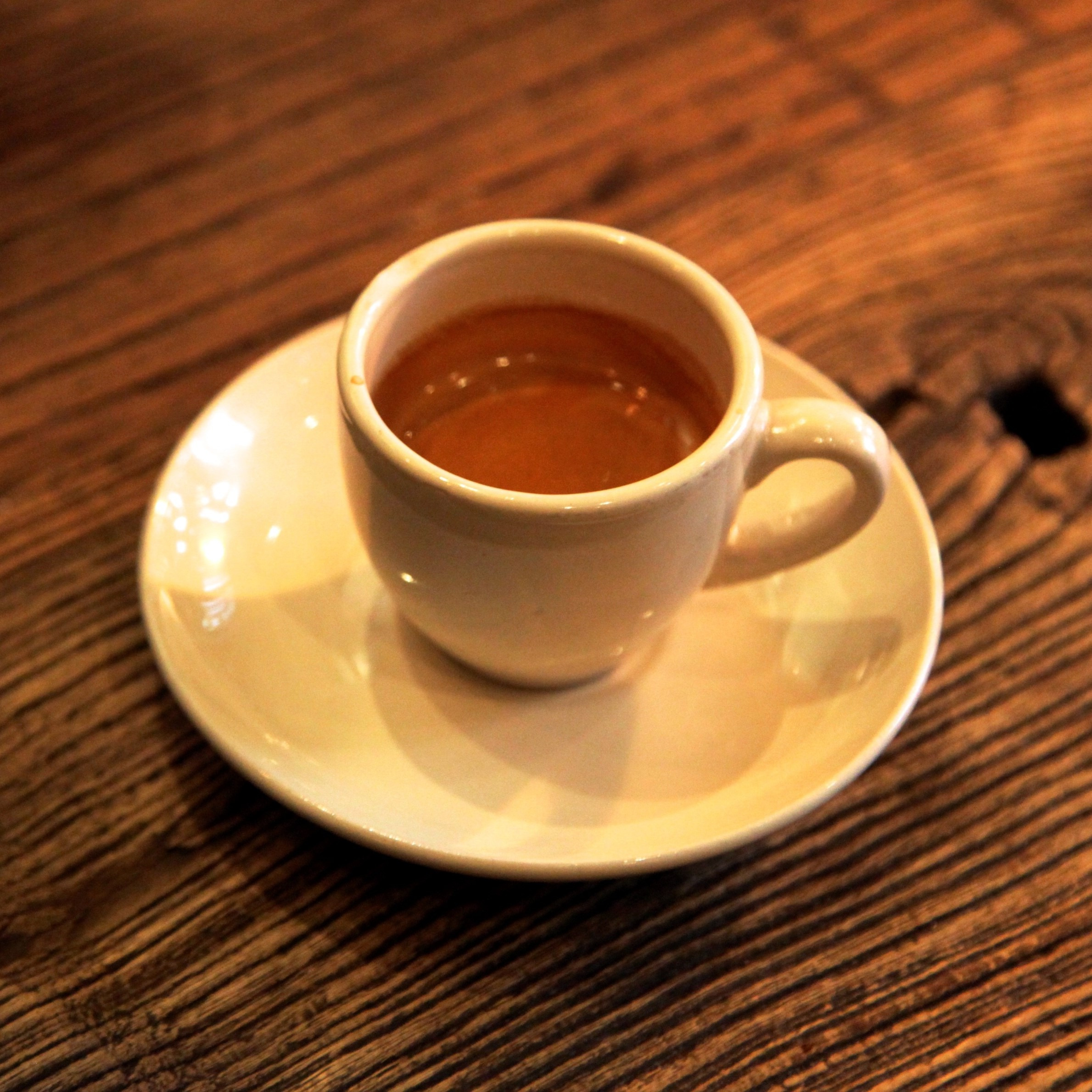
- Volume and Serving: Ristretto is served in classic espresso cups (demitasse), barely covering the bottom due to its tiny volume. It is always accompanied by a glass of still water, which the guest drinks first to cleanse their palate, allowing them to fully appreciate the complexity of this pure coffee essence.
How does a Ristretto differ from a classic Espresso and a Lungo?
Although all three drinks originate from the exact same dry weight of ground coffee in the portafilter, the sensory experience in the cup varies dramatically due to the difference in water volume and extraction time (known as the brew ratio).
Ristretto vs. Espresso: A classic espresso yields a volume of around 30 ml and is extracted for 25–30 seconds with a ratio of about 1:2 (e.g., pulling 30 g of liquid from 15 g of coffee). A ristretto tightens this ratio to roughly 1:1 or 1:1.5. A barista achieves this either by grinding finer (slowing down the water flow) or cutting the pump early. Espresso is balanced, featuring acidity, sweetness, and bitterness. Ristretto is a pure concentrate of the first two elements, keeping bitterness to an absolute minimum.
Ristretto vs. Lungo: A lungo ("long" in Italian) is the exact opposite of a ristretto. The extraction is intentionally prolonged, allowing twice as much water to pass through the coffee puck (resulting in a volume of around 60 ml). While a ristretto is thick and sweet, a lungo is more watery, lighter in body, but noticeably more bitter. Due to the extended contact time with hot water, it paradoxically contains more caffeine than a short ristretto.
| Drink Parameter |
Ristretto (Double) |
Espresso (Double) |
Lungo |
| Dry Coffee Weight |
14–20 g |
14–20 g |
14–20 g |
| Yield Weight / Volume |
approx. 20–30 g (approx. 30 ml) |
approx. 35–45 g (approx. 45–60 ml) |
approx. 80–100 g (approx. 90–110 ml) |
| Brew Ratio |
1:1 to 1:1.5 |
1:2 to 1:2.5 |
1:3 to 1:4 |
| Extraction Time |
15–25 seconds |
25–30 seconds |
35–45 seconds |
| Consistency & Body |
Very thick, oily, syrupy |
Balanced, creamy |
Light, watery |
| Main Flavor Notes |
Intense sweetness, bright acidity, zero bitterness |
Complex, balanced sweetness, acidity, and bitterness |
Pronounced bitterness, harsh, woody notes |
| Caffeine Content per Cup |
Lowest (caffeine extracts slower over time) |
Medium |
Highest (water leaches caffeine the longest) |
Frequently Asked Questions about Ristretto Preparation
1. Does a ristretto have more caffeine than a classic espresso because it tastes so strong?
No, this is one of the most common coffee myths. Caffeine extraction is a chemical process that requires time and water volume. Since a ristretto uses roughly half the water of an espresso and has a shorter contact time, caffeine doesn't have the chance to fully dissolve. A ristretto tastes "stronger" simply because it is less diluted by water – the concentration of coffee oils and aromatics is higher, but the actual caffeine content is lower than in an espresso or a lungo.
2. How should I adjust my grinder if I want to brew a perfect ristretto at home?
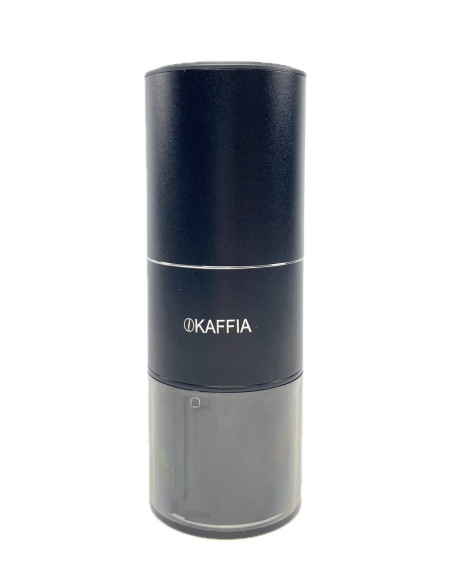
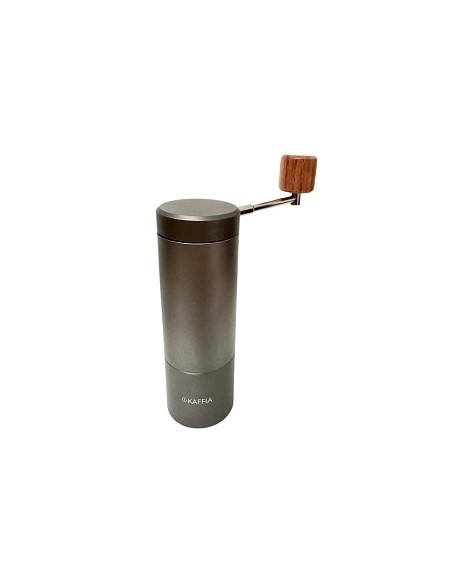
The correct technical approach to brewing a ristretto in specialty coffee shops involves adjusting your grinder slightly finer than for espresso. If you only cut the espresso shot early (at around 12 seconds, for instance), the coffee would be under-extracted, sour, and astringent. By grinding finer, you increase the resistance of the coffee bed. The water will flow slower, allowing you to hit that short yield ($1:1$ ratio) while keeping a healthy extraction time of 20–25 seconds, ensuring the sweetness fully develops.
3. Which type of coffee beans works best for a ristretto shot?
It comes down to your personal flavor preferences. If you adore fruity notes, crisp acidity, and brightness, try a lightly roasted single-origin Arabica (e.g., Kenya, Ethiopia) – the short extraction yields a pure, fruit-juice-like experience. If you prefer the traditional Italian coffee culture with a heavy body, chocolate, and nutty notes, a medium to dark roasted blend will serve you beautifully. For dark roasts, a ristretto is also a genius way to avoid the unpleasant, ashy bitterness that often shows up at the end of a regular espresso shot.



































 Choose a quality